
Choosing new gym equipment feels overwhelming. You make the wrong choice, and your budget is shot for years. This guide breaks down the real return on investment for you.
The best choice depends on your gym’s goals. Plate-loaded machines1 offer a lower initial cost and superior durability, making them a great long-term asset. Selectorized machines2 provide ease of use that can attract more members and increase equipment turnover3, potentially boosting your daily revenue.
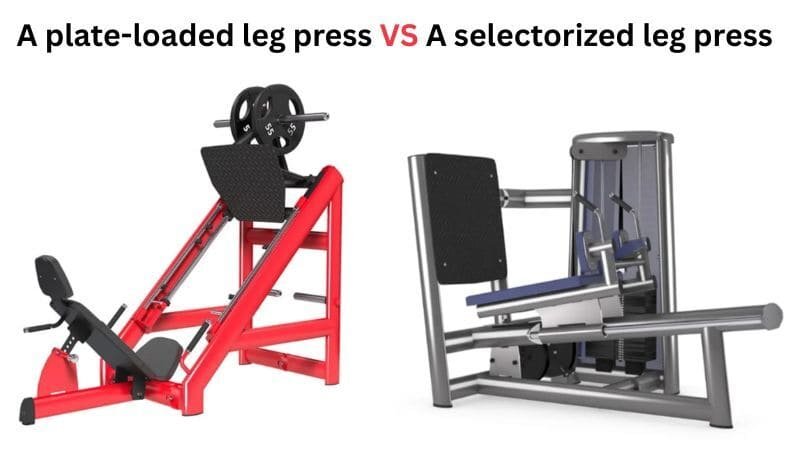
I’ve been in this business for a long time. I’ve seen gym owners make decisions based purely on the price tag. They often regret it. I’ve also seen owners overspend on flashy features they didn’t need. The real secret is understanding that a piece of equipment isn’t just a cost. It’s a business tool. The right tool depends on the job you need it to do. This decision is about more than just steel and weights; it’s about your business model, your members, and your long-term success. Let’s dig into which tool is right for you.
Initial Investment vs. Long-term Maintenance: Which One Saves More?
You are looking at two price tags, and one is much higher. It is tempting to pick the cheaper option. But that initial saving might cost you more down the road.
Plate-loaded machines are cheaper to buy and have minimal long-term maintenance costs. Selectorized machines cost more upfront and require regular replacement of parts like cables and pulleys. Over a 10-year lifespan, the total cost of ownership can start to even out, so you must look beyond the initial price.
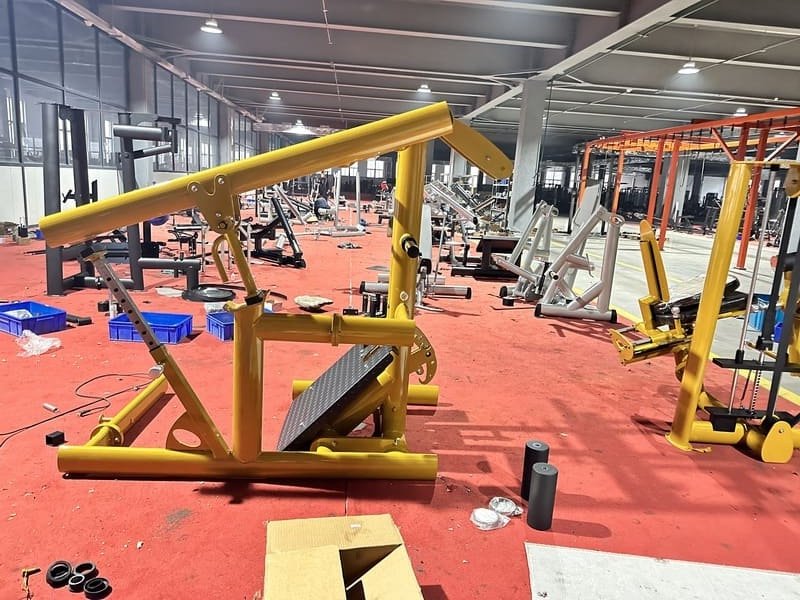
I talk to gym owners every day. The first number they always want to discuss is the initial purchase price. That makes sense. Your capital is limited. But the smartest operators I know focus on the total cost of ownership4. A plate-loaded machine is simple. It’s mostly steel beams and bearings. If the bearings are high quality, you just need to keep them lubricated. They can run for decades. I once visited a gym that was still using plate-loaded equipment I sold them 15 years ago. It worked as well as it did on day one.
Selectorized machines are different. They have more moving parts. You have cables, pulleys, guide rods, and selector pins. These are all wear-and-tear items. A steel cable under constant tension will eventually need replacement, usually every 3-5 years. Pulleys wear down. If you neglect maintenance, you risk a cable snapping, which is a safety hazard and puts the machine out of service. That downtime is a hidden cost.
Cost Breakdown Over 10 Years
| Cost Factor | Plate-Loaded Machine | Selectorized Machine |
|---|---|---|
| Initial Purchase Price | Lower | Higher |
| Major Parts Replacement | Very Low (Bearings) | Medium (Cables, Pulleys) |
| Routine Maintenance | Low (Lubrication) | Medium (Inspections, Adjustments) |
| Downtime Risk | Very Low | Higher |
| Estimated 10-Year Cost | Initial Price + Minimal Labor | Initial Price + Parts + Labor |
Maximizing Floor Space: Calculating ROI per Square Meter?
Your gym’s rent is likely your biggest expense. Every square meter must earn its keep. Choosing inefficient equipment is like paying rent for an empty room.
Selectorized machines often deliver a higher ROI per square meter5. They allow for faster workouts and serve more members per hour, especially during peak times. This higher turnover can generate more revenue from the same physical space, offsetting the higher initial cost.
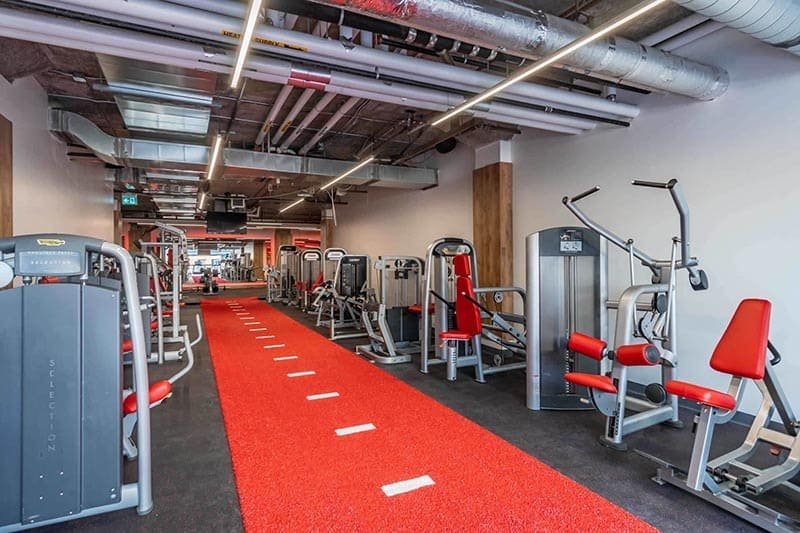
Let’s think about your busiest hours, from 5 PM to 8 PM. A member using a plate-loaded leg press might spend a minute or two just loading and unloading heavy plates. A member on a selectorized leg press can change the weight in two seconds by moving a pin. This small difference adds up. During a peak hour, that selectorized machine might serve 15 members, while the plate-loaded one serves only 10. That’s a 50% increase in utility from a single machine.
You also have to account for the space around the machine. Plate-loaded equipment requires storage racks for all the weight plates. These racks take up valuable floor space. Members also need room to safely carry plates back and forth. A selectorized machine is a self-contained unit. Its footprint is exactly what you see. When I help clients design a new gym layout, we often find that we can fit more workout stations into a space by using compact, selectorized units. More stations mean you can support more members and create a better workout flow with fewer bottlenecks.
Equipment Efficiency Analysis
| Metric | Plate-Loaded Leg Press | Selectorized Leg Press |
|---|---|---|
| Weight Change Time | 60-90 seconds | ~2 seconds |
| Members Served (Peak Hour) | ~10 | ~15 |
| Total Footprint | Machine + Plate Storage | Machine Only |
| Ideal User | Experienced Lifter | All Members |
The Learning Curve: How Selectorized Machines Increase Member Retention?
A new member walks into your gym, feeling intimidated. They see complex machines and people lifting heavy weights. If they can’t figure out how to start, they may never come back.
Selectorized machines are incredibly intuitive, which helps new members feel successful from their very first workout. This positive early experience is critical for long-term member retention. An easy learning curve keeps more customers paying their monthly fees.
The number one reason people quit a gym is that they don’t feel comfortable or see results. Plate-loaded machines can be intimidating for beginners. They don’t know how much weight to load, and they might be afraid of dropping a heavy plate on their foot. It creates a barrier to entry. I worked with a studio owner who wanted to build a "hardcore" gym with only plate-loaded equipment. I convinced him to dedicate 40% of his floor to a selectorized circuit. A year later, he told me that circuit was the key to his business. It attracted a wider range of clients, including women and older adults, who felt confident using the equipment on their own after just one orientation session.
Selectorized machines make it simple. The weight stack is clearly labeled, and changing the resistance is as easy as moving a pin. Most machines also have instructional placards showing proper form. This empowers members to manage their own workouts safely. When people feel confident and independent, they build a routine. A consistent routine is what turns a casual visitor into a loyal, long-term member. Losing a member is far more expensive than any equipment maintenance cost.
Durability Decoded: The Simple Mechanics of Plate-Loaded Reliability?
You see an "Out of Service" sign on a machine. Your members see a broken promise. This sign tells them that your gym is unreliable, which directly hurts your reputation and revenue.
Plate-loaded machines are the most durable equipment you can buy. Their simple design, with heavy-duty steel frames and few moving parts, means there is almost nothing that can break. This unmatched reliability keeps your equipment working and your members happy.
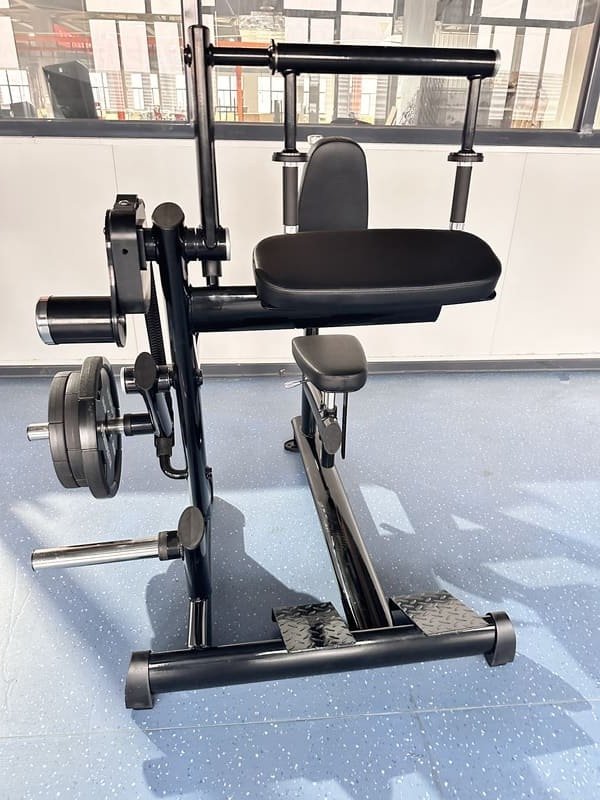
Let’s break it down. A plate-loaded machine is basically a lever. You have a frame, a pivot point (usually with a high-quality bearing), and an arm to hold the weights. As a manufacturer, I can tell you that the key is the quality of the steel and the welds. With a thick steel frame and proper engineering, these machines are almost indestructible. There are no cables to fray, no pins to lose, and no weight stacks to get jammed. The only real maintenance is occasionally lubricating the pivot points. This simplicity is its greatest strength.
In contrast, a selectorized machine has multiple failure points. Cables are the most common issue. They stretch over time and can snap without warning if not inspected regularly. The guide rods for the weight stack can get sticky or rust if not cleaned, making the movement feel jerky. The selector pin can get bent or lost. While a well-maintained selectorized machine is very reliable, it requires a consistent maintenance schedule6. A plate-loaded machine just works, day in and day out. It’s the workhorse of the gym floor.
Resale Value: Which Equipment Holds Its Worth After 5 Years?
You will eventually upgrade your gym. What happens to your old equipment? You want assets that hold their value, not liabilities you have to pay someone to haul away.
High-quality, brand-name plate-loaded machines have excellent resale value. Their durability and simple mechanics mean buyers in the second-hand market trust them. Selectorized machines depreciate faster because buyers are worried about hidden wear and tear on cables and pulleys.
I see it all the time on the used market. A 5-year-old plate-loaded chest press from a reputable brand might sell for 60-70% of its original price. Its selectorized counterpart from the same brand might only fetch 40-50%. Why the big difference? It comes down to trust and simplicity. When you buy a used plate-loaded machine, you can see everything. You can check the welds and test the pivot. There are no hidden parts to worry about. It’s a safe bet.
When someone looks at a used selectorized machine, they are thinking about potential problems. How old are the cables? Are the pulleys worn? Is the weight stack moving smoothly? These potential issues create risk for the buyer, which drives the price down. Generic, no-name equipment depreciates even faster, especially selectorized pieces. Investing in quality equipment from a manufacturer with a strong reputation isn’t just about performance in your gym; it’s about protecting your investment for the long term. Your equipment should remain an asset on your books for years to come.
Typical 5-Year Depreciation
| Equipment Type | Brand Reputation | Estimated Resale Value |
|---|---|---|
| Plate-Loaded | High (e.g., Hammer Strength, REDPRO) | 60-70% |
| Selectorized | High (e.g., Life Fitness, REDPRO) | 40-50% |
| Plate-Loaded | Generic / No-Name | 30-40% |
| Selectorized | Generic / No-Name | 10-20% |
Conclusion
The right choice between plate-loaded and selectorized machines depends entirely on your business strategy. There is no single "best" option. It’s a balance of cost, member experience, and operational goals.
For help finding that perfect balance for your facility, let’s talk.
Phone: +86 15150088366
Email: sales@redprofitness.com****
-
Explore the advantages of plate-loaded machines for durability and cost-effectiveness. ↩
-
Learn how selectorized machines enhance user experience and retention in gyms. ↩
-
Discover strategies to boost equipment turnover rates in your gym. ↩
-
Find out how to effectively calculate the total cost of ownership for gym equipment. ↩
-
Explore how to maximize ROI per square meter in your gym with the right equipment. ↩
-
Discover best practices for maintaining gym equipment to ensure longevity. ↩