
Choosing a Chinese supplier is risky. You could end up with low-quality gear that breaks down, costing you money and members. Here are the five red flags I’ve learned to spot.
To choose the right manufacturer, ignore empty promises. Instead, check the machine’s net weight, test the smoothness of bearings and pulleys, verify the biomechanics1, inspect the paint process, and demand a comprehensive spare parts plan. These factors separate professional suppliers from risky workshops.
I’ve been in this industry for years. I’ve seen it all. These aren’t just tips; they are hard-earned lessons that I’ve learned from experience. If you want to build a successful gym business, you need to understand what really matters when buying equipment. Let’s break down the things that many people get wrong.
Is a "3mm Steel" Claim a Guarantee of Quality?
Many suppliers boast about using 3mm steel2. But this is often a marketing trick, as they use underweight tubes. You end up with weaker, less safe equipment than you paid for.
No, the "3mm" claim is not a guarantee. The true measure of steel quality and quantity is the machine’s total net weight. Always ask for the weight, because more steel means more durability and safety. You can’t fake weight.
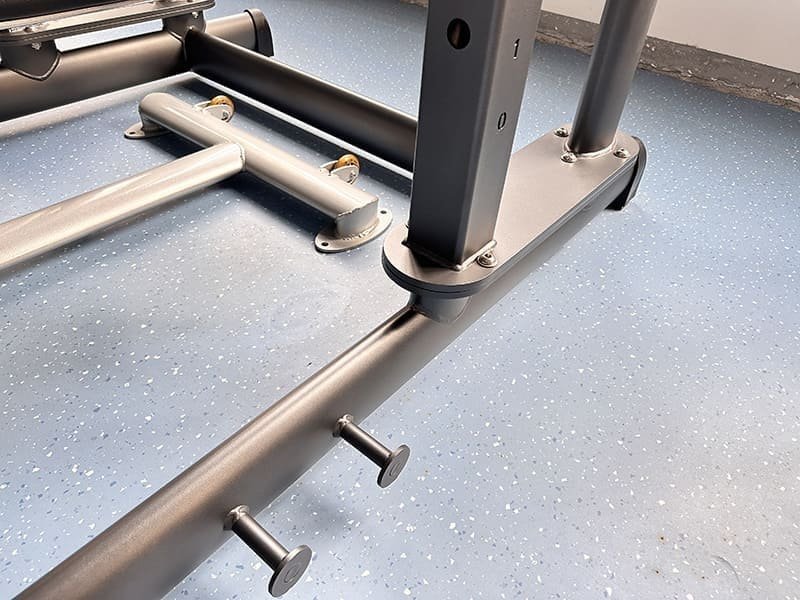
In China, "3mm steel" is a common sales pitch. But here’s the dirty secret: many factories use steel tubes with a negative tolerance3. They say it’s 3.0mm, but when you measure it, it’s only 2.75mm. I always tell my clients to ignore the marketing slides and ask one simple question: "What is the net weight of the machine?" Steel is sold by weight, so it’s a number they can’t easily fake. A heavier machine means more raw material. It’s that simple. For example, my leg press machine might be 40kg heavier than a competitor’s. That extra 40kg is not fat; it’s pure steel. It’s the difference between a machine that wobbles and one that feels planted. It’s the safety and confidence your members deserve. This is what commercial-grade dignity4 is all about.
| Feature | Low-Cost Supplier | Professional Supplier |
|---|---|---|
| Steel Claim | 3.0mm Thickness | 3.0mm Thickness |
| Actual Steel | 2.75mm (Negative Tolerance) | True 3.0mm or heavier |
| Key Metric | Focus on the claim | Focus on Net Weight |
| Result | Lighter, less stable machine | Heavier, safer, more durable |
Why are Bearings and Pulleys the Soul of the Machine?
People often judge a machine by its large frame. They overlook the small, moving parts. This is a huge mistake that leads to a terrible user experience for your members and hurts retention.
Bearings and pulleys are the "soul" because they determine the smoothness of the movement. High-quality components provide a fluid, silent motion path, which is critical for member satisfaction. Cheap parts feel clunky and unprofessional, actively discouraging use.
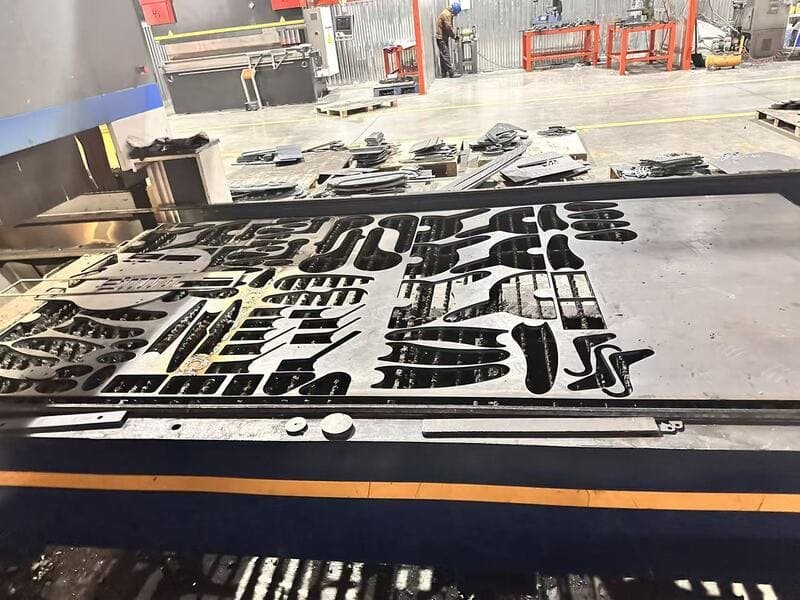
I inspect bearings before I even look at the frame. Many small factories cut corners here to save a few dollars. They use cheap bearings designed for farm machinery. The result? Your members feel a jarring, stuttering motion and hear grinding noises. It feels cheap because it is. This is not just a small detail; it’s the core user experience. I tell my clients that a good machine’s movement should feel like a hot knife cutting through butter—effortlessly smooth and silent. We use fully CNC-machined aluminum pulleys, not cheap plastic ones. We pair them with top-tier industrial bearings. This smoothness is what makes a member love using a machine. It’s what makes them feel the muscle working correctly. A smooth machine is a machine people will use again and again. A jerky one will just gather dust in the corner of your gym.
Does a Good-Looking Machine Guarantee Good Biomechanics?
Many factories are experts at copying the appearance of famous brands. The machines look identical in photos. But using them tells a very different, and often painful, story about their actual performance.
Absolutely not. Appearance means nothing if the biomechanics are wrong. The precise location of pivot points and the angle of the motion path are critical for targeting the right muscles safely. A copycat machine often becomes an injury risk.
I’ve seen too many factories that just "draw a tiger based on a cat." They take a photo of a leading brand’s machine and try to replicate it. The frame might look the same, but the soul is gone. The science of strength training is in the biomechanics. If a pivot axis is off by just a few millimeters, the entire feel of the exercise changes. It stops targeting the intended muscle and puts stress on joints and ligaments instead. I tell my clients this bluntly: if a factory doesn’t have an R&D team5 and can’t explain their design process, they aren’t selling you fitness equipment. They are selling you a "fitness torture device" that can injure your members. We spend months calibrating the movement path of every single machine. It’s a science, not a guessing game.
| Aspect | Copycat Manufacturer | Professional Manufacturer |
|---|---|---|
| Focus | Visual Appearance | Biomechanical Accuracy |
| Process | Reverse-engineering from photos | R&D, testing, and calibration |
| Pivot Points | Often inaccurate | Precisely calculated and placed |
| User Feel | Awkward, ineffective, risky | Natural, effective, safe |
Is the Paint Job on Gym Equipment Just for Looks?
Most people think the paint is just about color. They see a shiny new machine and assume it’s high quality. But that shine can hide a major problem that appears later, making your gym look old.
The paint job is not just for looks; it is the machine’s armor against rust and corrosion. A proper multi-stage coating process6 protects the steel, especially in humid environments, ensuring your investment looks professional for years to come.
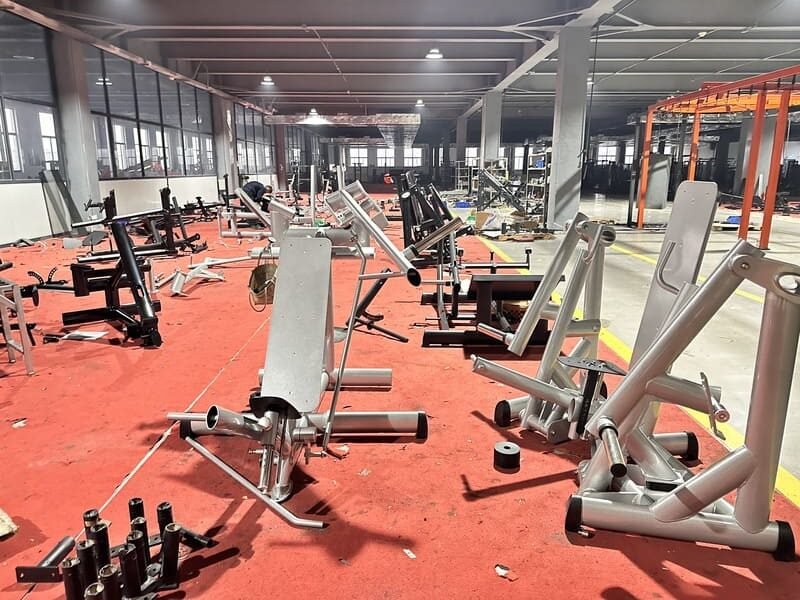
I’ve seen cheap equipment start to rust during sea freight before it even reaches the customer. Why? Because the factory skipped the most important steps in the finishing process. A good finish is not just about a glossy top coat. It’s a three-stage process. First, we do sandblasting to remove all rust and impurities from the raw steel. This creates a clean, rough surface for the paint to grip. Second, we apply an electrostatic powder primer. This is the real protective layer. Finally, we apply the color top coat. I call this the machine’s "bulletproof vest." If you run a gym in a humid place like Southeast Asia or the Middle East, this is non-negotiable. Without this process, rust will start to bubble under the paint within a year. It spreads like a cancer, and soon your expensive equipment looks old and rotten.
Why is a Supplier’s Spare Parts Plan More Important Than the Price?
Everyone wants to save money on the initial purchase. But this focus on a lower price can lead to a much bigger cost down the road when a machine inevitably breaks down.
A good spare parts plan is crucial because it determines your equipment’s uptime. A machine is only valuable when your members can use it. Waiting weeks for a simple replacement part from a cheap supplier means lost revenue and frustrated customers.
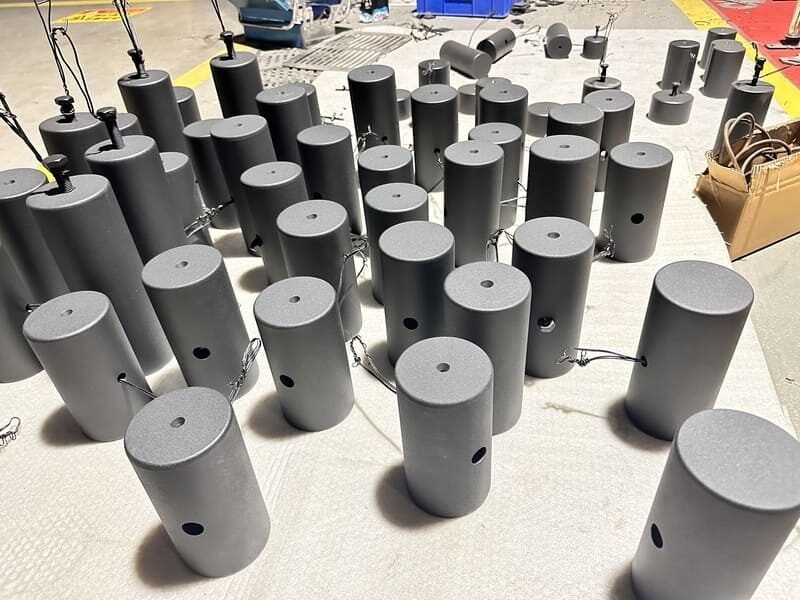
I believe that selling a machine is only the beginning of our job. The real service starts after delivery. Think about it: what happens when a cable on your most popular machine snaps on a busy Monday? If your supplier didn’t provide spare parts, that machine is now a useless piece of metal. You’re losing member satisfaction and potentially revenue. That’s why I insist on preparing a 3-5% spare parts package with every shipment. This includes common wearable items like upholstery pads, steel cables, and selector pins. A professional supplier must have a spare parts inventory management system. Ask a potential supplier about their plan. If they don’t have one, they don’t understand the B2B business. Don’t let a few hundred dollars saved on the initial order cost you thousands in downtime later.
Conclusion
Choosing a manufacturer means looking past the price. Focus on weight, smooth mechanics, true biomechanics, a protective finish, and after-sales support. This ensures your investment pays off for years.
-
Understanding biomechanics can help you choose equipment that is safe and effective for users. ↩
-
Find out why the thickness of steel may not guarantee the quality of gym machines. ↩
-
Understanding negative tolerance can help you avoid purchasing subpar gym equipment. ↩
-
Explore the concept of commercial-grade dignity and its importance for gym owners. ↩
-
Explore how R&D contributes to the safety and effectiveness of gym machines. ↩
-
Learn how this process protects equipment and extends its lifespan. ↩