Introduction
In today’s competitive fitness market, equipment offerings can make or break a gym’s success. Among the essentials, the hip thrust machine stands out for its specialized capability to target the gluteal muscles. This piece of fitness equipment has gained traction not only for its effectiveness in isolating and developing the glutes but also for its potential to enhance overall athletic performance in various sports. Given these benefits, it’s crucial for gym owners, trainers, and fitness enthusiasts to understand the utility, varieties, and value propositions of hip thrust machines, especially from reputable brands such as RedPro.
Understanding the Importance of Hip Thrust Machines
A. The Gluteal Focus
The hip thrust machine is engineered specifically to increase glute muscle activation, an area often underworked in traditional gym routines. Stronger glutes contribute to improved posture, reduced risk of injury, enhanced athletic performance, and improved aesthetics. For facilities focusing on functional training and bodybuilding, this machine serves as an indispensable asset.
B. Client Demand
Trends in fitness capitalized on the desire for lower body power and physique enhancement have skyrocketed the demand for effective glute training solutions. Members often seek specific equipment that focuses on localized muscle growth, making the hip thrust machine an appealing option.
Types of Hip Thrust Machines
Several variations of hip thrust machines target users’ diverse preferences and training styles. Familiarizing yourself with these types can aid in making an informed investment decision.
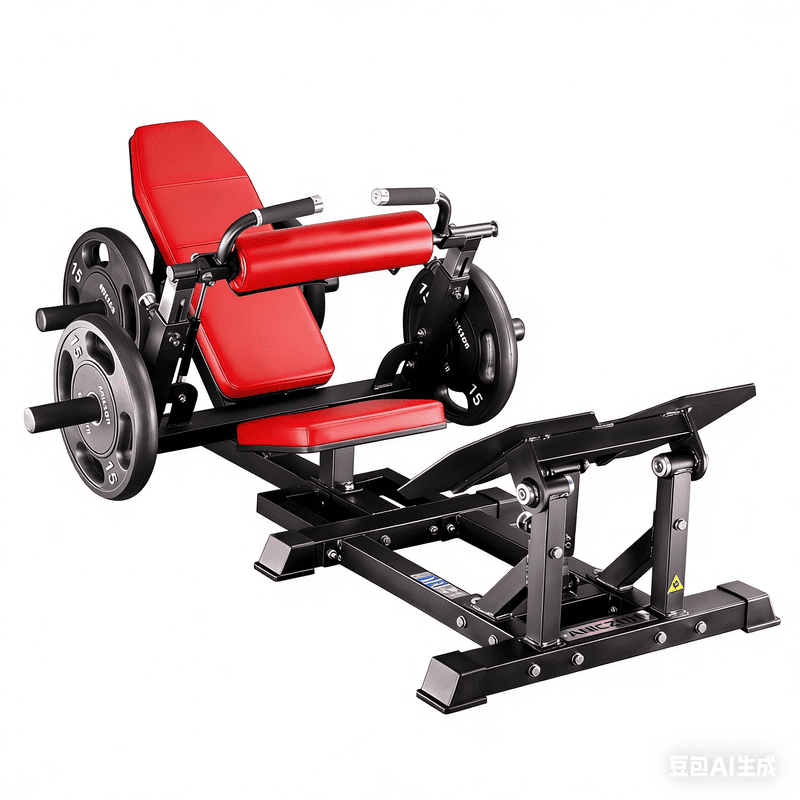
A. Lever-Loaded Hip Thrust Machines
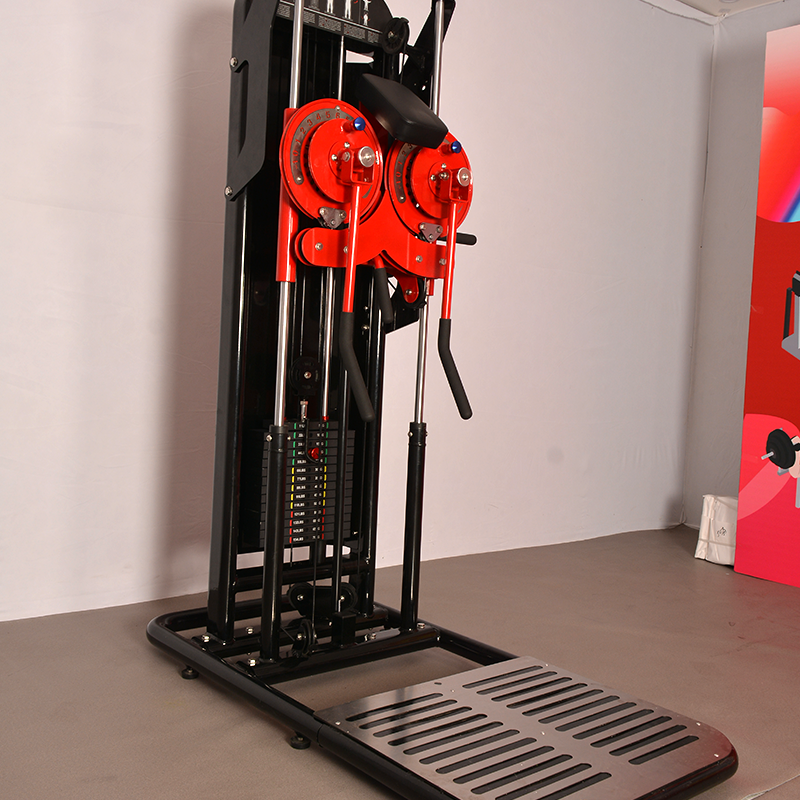
These models typically allow users to adjust weights manually, using plates. They are versatile and offer a more traditional gym experience, enabling users to tailor resistance based on their fitness levels. RedPro lever-loaded machines are particularly known for their durability and user-friendly design, ensuring a seamless experience regardless of the workout intensity.
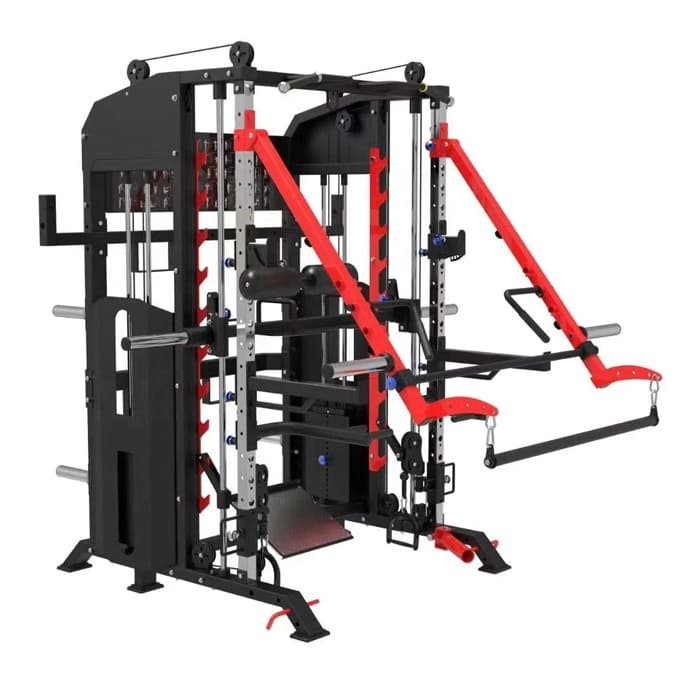
B. Smith Machine Adaptations
Some gyms utilize the Smith machine for hip thrusting. Users can perform hip thrusts with a barbell securely positioned, allowing greater focus on the glutes without the need for a separate machine. However, this method can be less efficient as it requires the user to maintain balance.
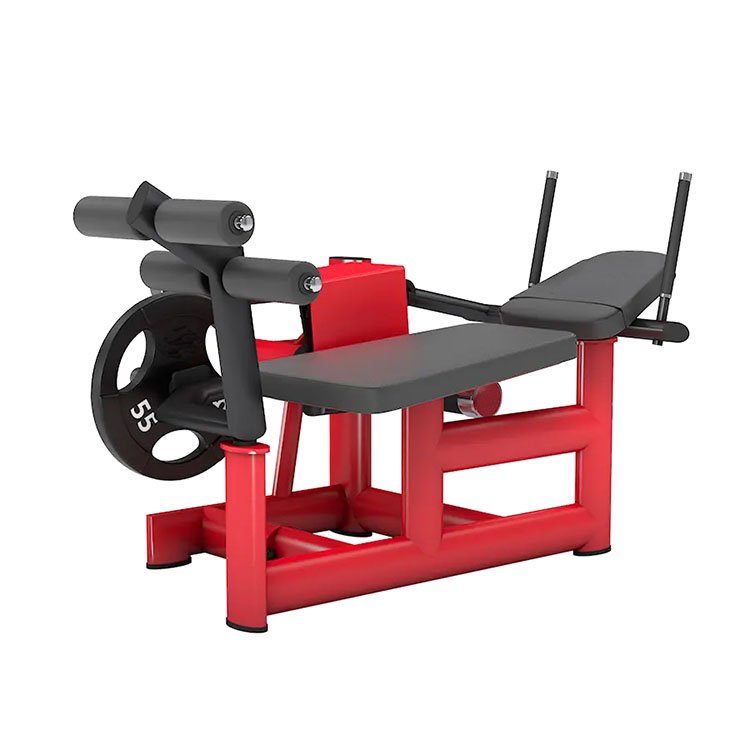
C. Purpose-Built Hip Thrust Machines
These specialized machines are entirely focused on the hip thrust exercise. They generally offer ergonomic designs that facilitate optimal body alignment and comfort, minimizing injury risk and maximizing training efficiency. Notably, RedPro offers premium purpose-built options designed with biomechanics in mind.
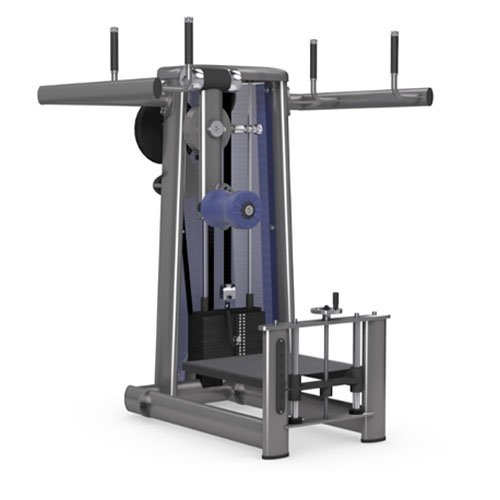
Key Features to Look for in a Hip Thrust Machine
A. Adjustability
Adjustment options—such as height, weight, and angle—are critical for accommodating users of various sizes and fitness levels. A well-designed hip thrust machine should provide flexibility to foster proper body positioning and engagement.
B. Build Quality and Durability
Commercial equipment must withstand heavy usage. RedPro’s machines, for instance, are crafted from high-grade steel and tested for long-term durability. This quality ensures that your investment provides returns over years of consistent operation.
C. Ergonomic Design
The comfort and safety of gym members are paramount. A well-designed hip thrust machine should feature padding that supports users while maintaining correct form throughout the movement. Machines should also facilitate easy entry and exit, promoting user confidence and encouraging regular use.
D. Stability and Safety Features
Safety considerations, such as rubberized feet, limit the machine’s movement during usage and prevent injuries. Advanced features such as built-in band pegs for added resistance training can enhance versatility during workouts.
Investment Considerations: Cost Structures and ROI
The cost of hip thrust machines can vary significantly, influenced by features, manufacturer reputation, and durability. Below are several considerations relevant to making a purchasing decision.
A. Price Range
-
Budget Models ($100 – $300):
While they may come with fewer features, these machines can meet basic needs for smaller gyms or home use. -
Mid-Range Models ($300 – $600):
These typically feature better durability and added functionalities, making them suitable for moderate traffic gyms. -
High-End Models ($600+):
Typically featuring advanced technology and customization options, these machines are ideal for high-traffic commercial gyms looking to provide premium services.
B. Long-term Value
Investing in a high-quality hip thrust machine is not just about the upfront cost. It’s essential to consider factors like:
- Member Retention: Engaging machines can keep clients returning.
- Cross-marketing Opportunities: Offering specialized classes focusing on glute training can draw in more members.
- Client Results: Effective training means satisfied clients, leading to better word-of-mouth marketing.
Optimizing Your Gym Layout for Hip Thrust Machines
Creating an environment conducive to targeted workouts enhances client satisfaction. Consider the following factors in your gym layout:
A. Visibility
Position the hip thrust machine in a prominent area where it’s easily visible. This encourages clients to try it, especially those who might not be familiar with its effectiveness.
B. Accessibility
Ensure space around the machine is sufficient for user access and observing correct form during use. This can also facilitate personal training sessions focused on glute development.
C. Complementary Equipment
Consider placing complementary equipment nearby, such as resistance bands, kettlebells, or free weights. This allows clients to create a fuller workout routine that targets the glutes, making the space more inviting.
Conclusion
A hip thrust machine is not merely a fad but a valuable addition to any commercial gym that prioritizes member experience and effective workouts. The impressive capabilities of specialized machines, combined with the demand for targeted glute training, position it as a pivotal asset in your equipment lineup. Brands like RedPro offer robust options that meet the durability and versatility required in high-traffic environments. Ultimately, understanding the various aspects, including costs and equipment features, empowers gym owners to make informed decisions that will benefit business and clients alike for years to come. Investing wisely in quality equipment can facilitate exceptional user experiences, ensuring that clients achieve their fitness goals while boosting gym revenue in return.