

A poorly designed gym layout creates chaos, frustrates your members, and wastes valuable space. This leads to low retention and lost revenue, making your investment seriously underperform.
To design a smart gym layout, you must create distinct zones for different training styles, establish a clear and logical flow between them, and use aesthetics like color and lighting to create an inspiring atmosphere. This approach maximizes space and enhances the member experience.
I’ve spent my career manufacturing high-end fitness equipment, and in that time, I’ve walked through countless gyms, from sprawling commercial centers to boutique studios. I’ve seen layouts that work brilliantly and layouts that fail completely. The difference isn’t always the quality of the equipment alone; it’s how that equipment is arranged to create a seamless and motivational journey for the member. A great layout is your silent salesperson—it encourages members to explore, try new things, and ultimately, stay with you longer.
How do you design your gym layout?
You have the space, but now you’re facing a blank floor plan. Arranging dozens of pieces of equipment without a clear strategy can create a confusing and inefficient mess.
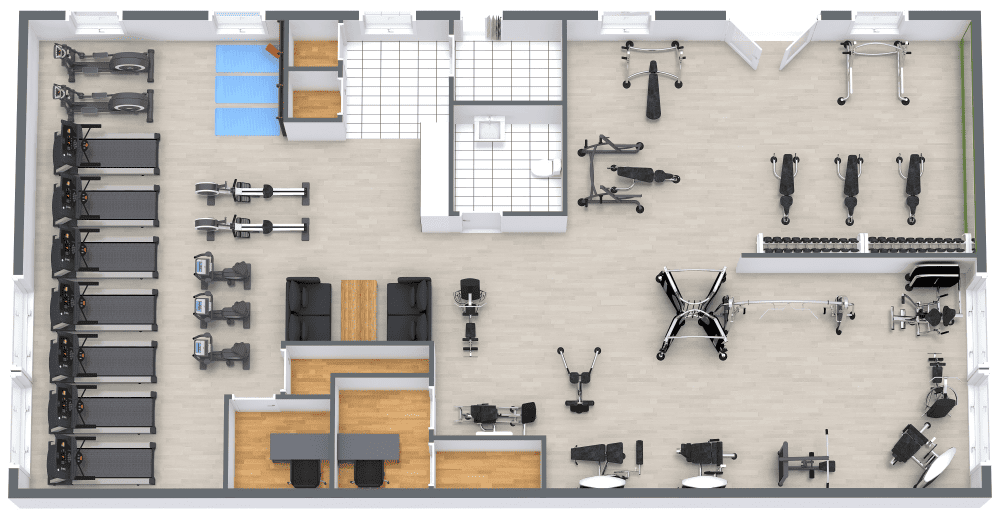
A great gym layout starts with strategic zoning. Create dedicated areas for cardio, strength, functional training, and recovery. Then, ensure clear, wide pathways between these zones to create a logical and intuitive user flow.
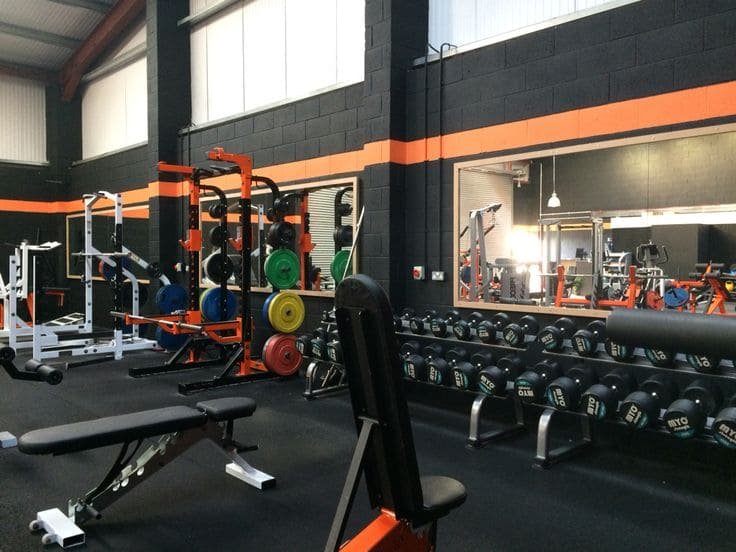
Think of your gym as a journey. A member might start with a warm-up in the cardio or functional area, move to the strength zone for their main workout, and finish in a stretching or recovery space. Your layout should guide them through this process effortlessly. This is where zoning comes in. Grouping similar equipment together prevents noise from the weightlifting area from disturbing a yoga class, for example. The pathways, or “flow,” between these zones are just as critical. They should be wide enough (at least 1 meter) to prevent bottlenecks and feel open, even during peak hours. As equipment manufacturers, we see that well-designed layouts also protect the equipment; clear paths mean less accidental damage from people trying to squeeze by.
| Zone | Purpose | Key Equipment | Layout Tip |
|---|---|---|---|
| Cardio Zone | Warm-ups, endurance, fat loss | Treadmills, Ellipticals, Rowers, Bikes | Place near windows for a better view and daylight. |
| Strength Zone | Muscle building, powerlifting, Olympic lifting | Power Racks, Barbells, Dumbbells, Plate-Load Machines | Use heavy-duty rubber flooring. Keep free weights organized. |
| Functional/Group | HIIT, flexibility, group classes | Kettlebells, Resistance Bands, Turf Lane, Rigs | Keep this space open and flexible with moveable gear. |
| Recovery/Stretch | Cool-downs, mobility, relaxation | Yoga Mats, Foam Rollers, Massage Guns, Stretch Cages | Place in a quiet, low-traffic corner of the gym. |
Is 10,000 square feet enough for a gym?
You’ve found a potential commercial space, but you’re not sure if it’s the right size. Misjudging your space needs can limit your offerings and crush your business model.
Yes, 10,000 square feet is an excellent size for a comprehensive gym. This footprint allows for spacious, dedicated zones for cardio, free weights, machines, group classes, and amenities without feeling crowded or compromised.
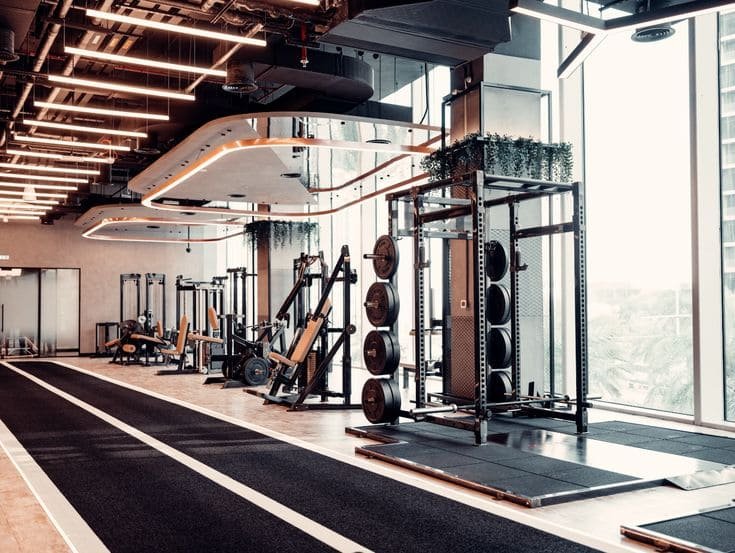
With 10,000 square feet, you can build a first-class facility. You can allocate generous space to each zone, preventing the common problem of members feeling like they are working out on top of each other. For a space this size, you can dedicate about 30% to strength training (racks, platforms, free weights), 25% to cardio machines, 20% to a group exercise studio, 15% to functional training and turf, and the final 10% to changing rooms, reception, and a recovery area. But not every gym needs to be this large. For smaller spaces (2,000-3,000 sq ft), a modular layout is a smarter approach. This involves using multi-functional equipment, like a power rack with a lat pulldown attachment, and moveable gear that allows you to easily transform a space from a personal training area into a small group class.
What color is best for a workout room?
Choosing your gym’s color palette seems like a minor detail. However, the wrong choice can make a space feel draining or uninspiring, directly affecting workout energy and member mood.
The best colors depend on the zone’s function. Use high-energy colors like orange, red, or yellow in active areas like cardio or HIIT zones. Use calming, focused colors like blues, greys, or greens for strength and recovery zones.
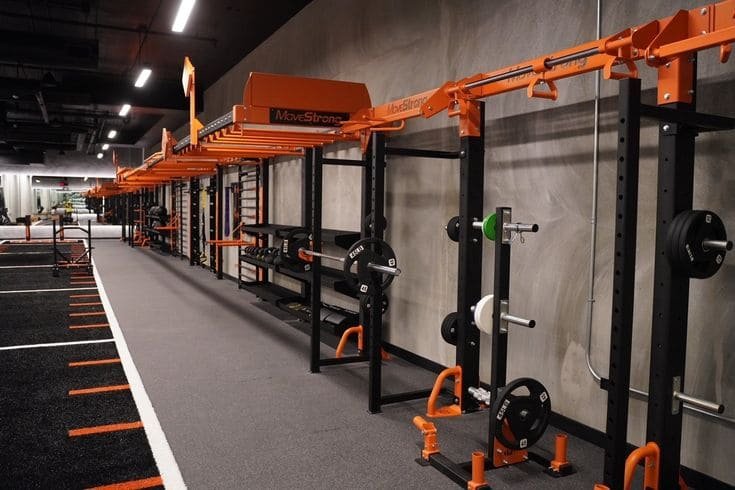
Color has a powerful psychological effect. Your layout should use color strategically to influence how members feel in each space. You don’t need to paint entire walls bright red. Instead, use your brand colors as accents on specific walls, on equipment frames, or in the flooring. For the main walls, neutral tones like light grey or off-white create a clean, modern, and spacious feel. Lighting is the other half of this equation. Cool, bright light (around 4000K) promotes energy and focus, making it perfect for the main gym floor. Warmer, softer light can be used in recovery or lounge areas to create a more relaxed and welcoming atmosphere. When we manufacture equipment, we offer custom color options on frames and upholstery so your gear can become an integral part of your gym’s design and brand identity.
| Zone | Recommended Colors | Psychological Effect |
|---|---|---|
| Cardio / HIIT | Orange, Yellow, Red Accents | Energy, Excitement, Increased Heart Rate |
| Strength / Weights | Blue, Grey, Black, Green | Focus, Strength, Stability, Calmness |
| Mind-Body / Stretch | Light Greens, Earth Tones | Relaxation, Balance, Connection to Nature |
| General Walls | Light Grey, Off-White | Clean, Spacious, Modern, Unifying backdrop |
How can you organize your gym to build community?
Your gym has incredible equipment, but it feels sterile and impersonal. Members come and go without ever connecting with each other, which is a major reason for high churn rates.
Organize your gym to actively foster interaction. Create an open-plan “performance hub” for strength training, install a central “PR board” to celebrate achievements, and design a comfortable social space to encourage members to connect.
A gym that feels like a community is a gym that members never want to leave. Your layout can be your most powerful tool for building this feeling. Instead of rows of isolated machines, design a central strength training area where people train alongside each other. This creates a natural energy and encourages friendly competition. A “Personal Record” (PR) board, whether it’s a simple whiteboard or a digital screen, is a fantastic way to celebrate member success and inspire others. It turns individual achievements into a shared victory. Finally, don’t overlook the “third space” concept. A small, comfortable area near the exit with a smoothie bar or coffee station gives members a reason to cool down, socialize, and connect with each other after their workout. This transforms your gym from a place people use into a place where they belong.
Conclusion
A smart gym layout is your blueprint for success. By focusing on strategic zoning, intuitive flow, motivating aesthetics, and community-building design, you create an environment where members thrive and business grows.