Struggling with the idea of importing from China? The process can feel overwhelming, risking costly delays and unexpected fees. Let me help simplify it for you.
To import fitness equipment from China, you must find a reliable supplier, negotiate terms, manage shipping logistics, handle customs clearance, and ensure product compliance. Choosing a trustworthy manufacturing partner is the most critical step for success.
This process might sound complex, but when you break it down into clear steps, it becomes much more manageable. As a manufacturer for top-tier global brands, I guide partners through this journey every single day. Let’s walk through the most important questions you need answered to import with confidence.
How do I find the right China supplier for my equipment?
Worried about picking a supplier that can’t deliver on quality or deadlines? A bad partnership can result in financial loss and damage to your brand’s reputation.
Find reliable suppliers on B2B platforms like Alibaba or at industry trade shows. More importantly, you must verify their business licenses, export permits, and quality certifications (like ISO 9001). Always request samples and conduct a factory audit before placing a large order.
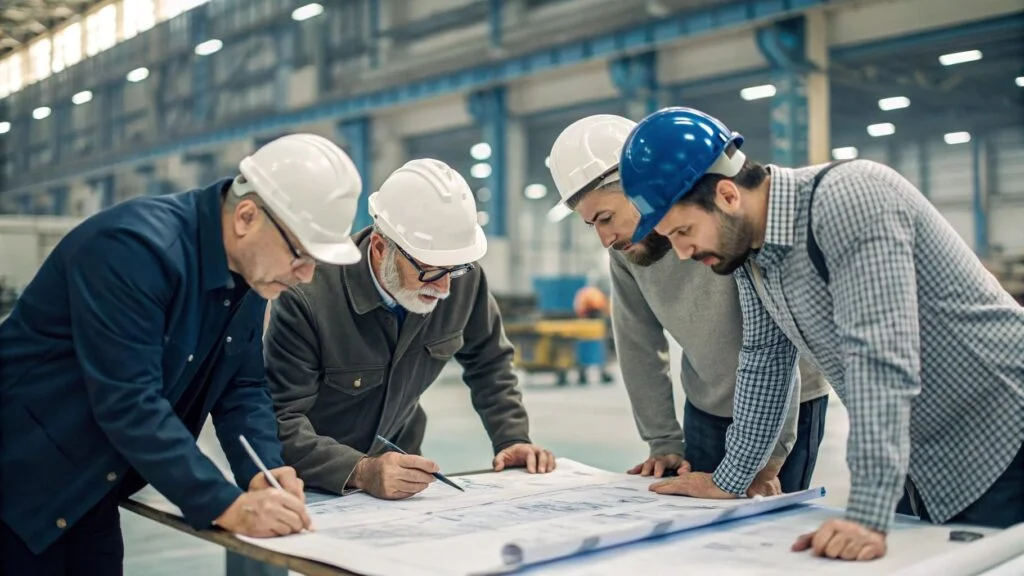
Finding a supplier isn’t just about finding the lowest price; it’s about finding a long-term partner who understands your quality standards and market needs. From my experience, the most successful partnerships are built on a foundation of trust and transparency, which you establish through a thorough vetting process. Don’t just take their word for it—verify everything. Ask deep questions about their manufacturing processes, like their welding techniques (robotic vs. manual) or steel grades (e.g., Q235 vs. high-strength alloy steel). A premium supplier will welcome these questions and have detailed answers ready. They should be able to prove their expertise, not just claim it.
| Red Flag Supplier | Green Flag Partner |
|---|---|
| Vague answers about materials | Provides detailed specs (e.g., steel PSI ratings) |
| No third-party quality certifications | Proudly displays ISO 9001, CE, or ASTM compliance |
| Hesitates to provide samples | Encourages sample testing to prove quality |
| Poor communication or slow replies | Professional, clear, and timely communication |
| Resists a factory audit | Welcomes audits to showcase their capabilities |
How do I ship heavy gym equipment from China?
Confused by shipping terms like FCL and LCL? Choosing the wrong shipping method for heavy, bulky equipment can completely destroy your profit margin with unexpected costs.
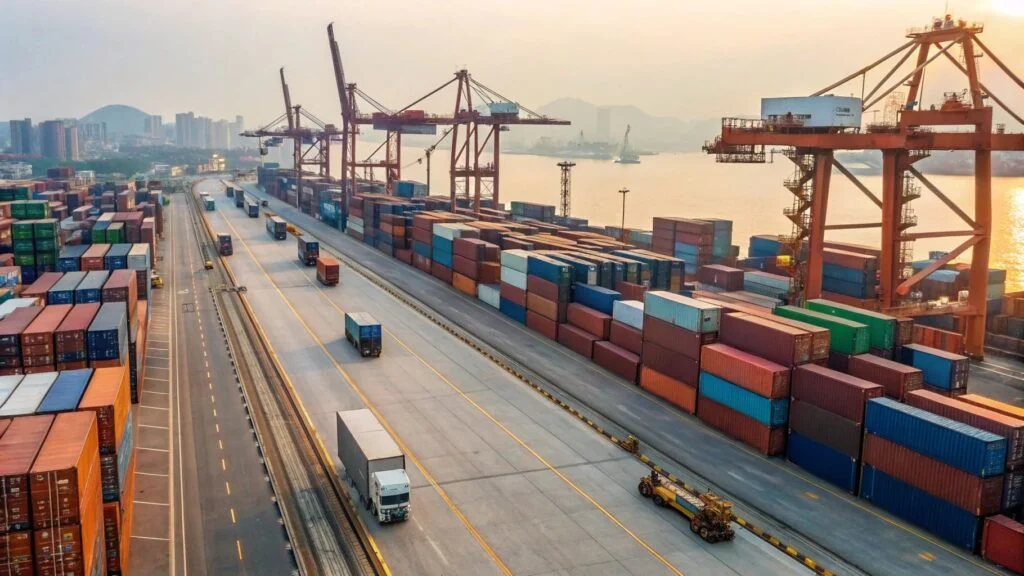
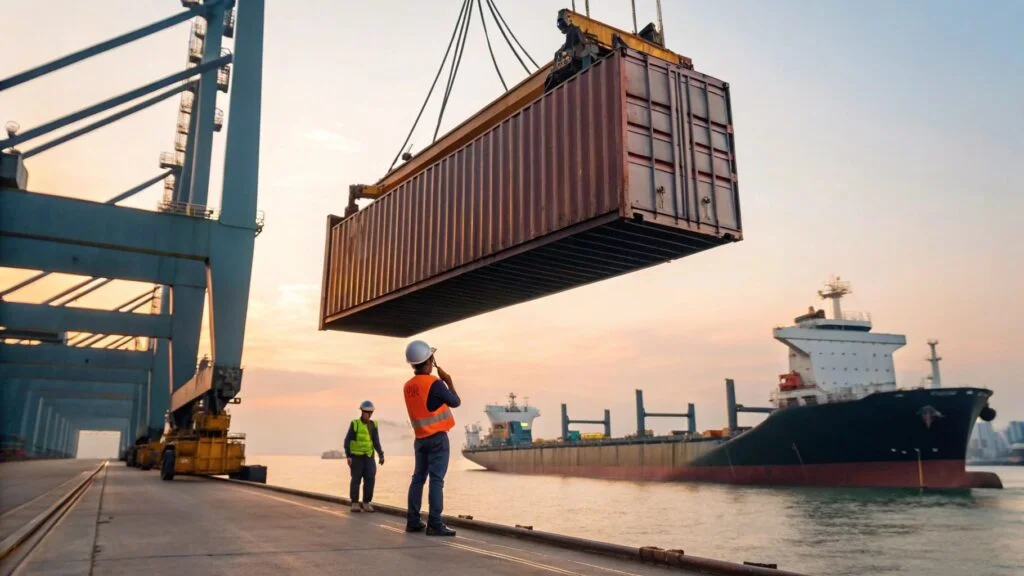
Sea freight is the most economical method for shipping heavy gym equipment. You have two main options: FCL (Full Container Load) for large orders or LCL (Less than Container Load) for smaller ones. You’ll need a reliable freight forwarder to manage this process.
Dealing with international freight seems complicated, but a good freight forwarder makes it simple. They are your logistics expert, handling everything from booking space on a ship to managing the paperwork. For large orders, a dedicated FCL container is best. It’s more secure and often faster since it’s sealed at our factory and opened at your warehouse. For smaller orders, LCL allows you to share container space and only pay for the volume you use. We work with our clients’ forwarders every day to ensure smooth handoffs. A key aspect often overlooked is packaging. We design our packaging to maximize container space and protect the equipment with custom crating, preventing the kind of damage that can occur during a long ocean voyage.
What is the import duty on equipment from China to the USA?
Are you worried about getting hit with surprise taxes and fees when your shipment arrives? Miscalculating import duties can quickly turn a profitable order into a financial headache.
Yes, you must pay import duties. The rate is determined by the product’s Harmonized System (HS) code. For most fitness equipment, this is in the 9506 category. You must also account for any Section 301 tariffs currently applied to Chinese goods.
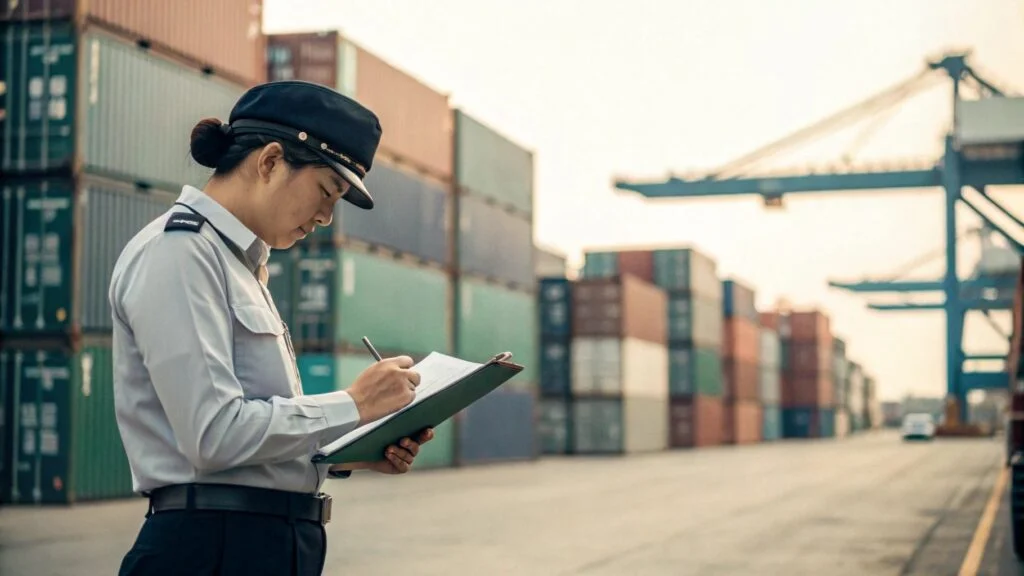
Determining the final landed cost is crucial for your business plan. The process starts with the HS code, which your supplier should provide. You can use this code on the official U.S. International Trade Commission’s Tariff Database to find the base duty rate. However, the most critical factor right now are the Section 301 tariffs on goods from China, which can add a significant percentage to your cost. A licensed customs broker is your best resource here. They are experts in tariff classification and can give you an accurate estimate of all duties, taxes, and fees (like the Merchandise Processing Fee) you will owe. Investing in a customs broker’s expertise upfront will save you from costly surprises down the road.
Do I need a special license to import from China?
Is the fear of missing a critical document stopping you from placing an order? Getting stuck at customs because of a paperwork error can cause major delays and fees.
For general fitness equipment imported into the US, a specific “import license” is not typically required. However, you must have a registered business and secure a customs bond for any shipment valued over $2,500. This bond ensures you will pay all duties.
While you may not need a formal license, you absolutely need the right documentation. The “passport” for your goods consists of three key documents: the Commercial Invoice (details the transaction), the Packing List (details what’s in the shipment), and the Bill of Lading (the contract with the shipper). Your customs broker will arrange the customs bond for you; it can be for a single entry or a continuous bond if you plan to import regularly. Beyond these logistical documents, the most important “license” is product compliance. Your equipment must meet U.S. safety standards (like ASTM). As a responsible manufacturer, we ensure our products meet these international standards and provide all necessary testing reports and certifications. This protects your business and your customers.
Conclusion
Importing from China is a clear, step-by-step process. By choosing a reliable partner and understanding logistics and customs, you can confidently bring high-quality fitness equipment to your market.