

Want to start a fitness brand but lack a factory? The high cost of manufacturing can stop great ideas. We offer a proven path to launch your own equipment line.
Private labeling1 is a smart way for distributors and fitness brands to launch their own gym equipment. You purchase high-quality, unbranded products from a manufacturer like us, add your unique logo and branding, and sell it as your own. This method greatly reduces your initial investment and risk.
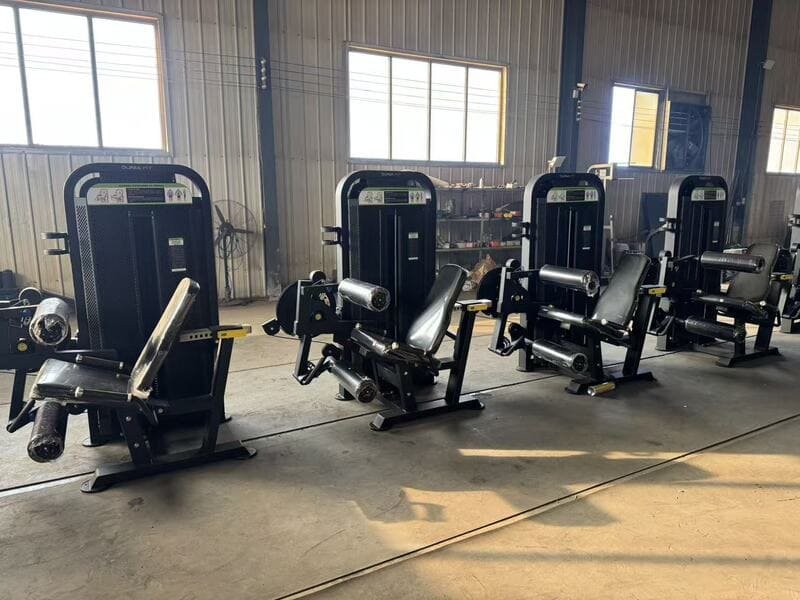
This sounds simple, but success is in the details. As a manufacturer, I’ve seen brands succeed and fail over the years. I want to walk you through the entire process, from a simple idea to a full container of your branded equipment arriving at your warehouse. This guide will give you the a-to-z on creating a successful private label fitness brand. Let’s dive in and explore what it really takes.
How do you actually create private label gym equipment products?
You have a vision for a fitness brand but feel lost. The process seems complex and overwhelming. Here is a clear, step-by-step roadmap to follow from start to finish.
You create private label products by first finding a reliable manufacturer. Then, you choose from their existing catalog or provide your own design specs. Finally, you apply your brand’s logo, colors, and packaging. We handle the production; you focus on building your brand.
The journey from concept to customer is a well-defined path. I’ve guided many partners through it, and it always boils down to a few key phases. First is the strategy. This is where you do your homework. You must research the market to find a niche, define your brand’s unique identity, and create a solid business plan. Don’t try to be everything to everyone. Second is sourcing and production. This is where you partner with a manufacturer like us. It’s critical to test samples—never skip this step. Quality is the foundation of your brand’s reputation. You’ll also negotiate the minimum order quantity (MOQ) and production timelines. The final phase is execution. This involves managing the logistics of shipping and warehousing, then launching your sales and marketing efforts. A well-planned launch can make all the difference.
| Phase | Key Actions | My Advice |
|---|---|---|
| 1. Strategy | Market research, define brand, business plan. | Start with a niche. Don’t try to sell everything at once. |
| 2. Sourcing | Find a manufacturer, test samples, negotiate MOQ. | Never, ever skip the sample step. Quality is your reputation. |
| 3. Execution | Place order, manage logistics, launch marketing. | Plan for shipping times. Good marketing should start before the product arrives. |
Is it actually legal to private label products?
Worried about legal issues when putting your name on another’s product? This fear can paralyze your business plans before they even start. Let’s clear up the confusion and legalities.
Yes, private labeling is completely legal and a standard business practice across many industries. The key is having a clear agreement with the manufacturer and handling your own brand’s legal responsibilities. These include trademark registration2 and product liability insurance3.
As a manufacturer, our role is clear. We are responsible for producing equipment that meets the agreed-upon specifications and complies with industry safety standards4 like EN957 or CE certifications where applicable. We build the products safely. Your role as the brand owner involves a different set of legal responsibilities. It is up to you to protect your brand name and logo by registering it as a trademark. This prevents others from copying your identity. Most importantly, you must secure product liability insurance. This is non-negotiable in the fitness industry. It protects your business in the unlikely event a customer is injured while using your product. Think of it this way: we provide a safe, high-quality canvas, but you are responsible for the brand you paint on it and the legal framework that protects it.
| Legal Item | Who is Responsible? | Why it Matters |
|---|---|---|
| Product Manufacturing | The Manufacturer (Us) | We ensure it’s built to agreed specs and safety standards. |
| Trademark | The Brand Owner (You) | Protects your brand name and logo from being copied. |
| Liability Insurance | The Brand Owner (You) | Protects you if a customer gets injured using your product. |
How do you become a fitness equipment distributor?
You want to sell professional gym gear but don’t want to create a new brand from scratch. Becoming a distributor seems ideal. Here’s what we, as a manufacturer, look for in a partner.
To become a fitness equipment distributor5, you need a solid business plan, a target market, and the ability to handle sales, logistics, and service. We look for partners who deeply understand their local market and are committed to building a long-term business.
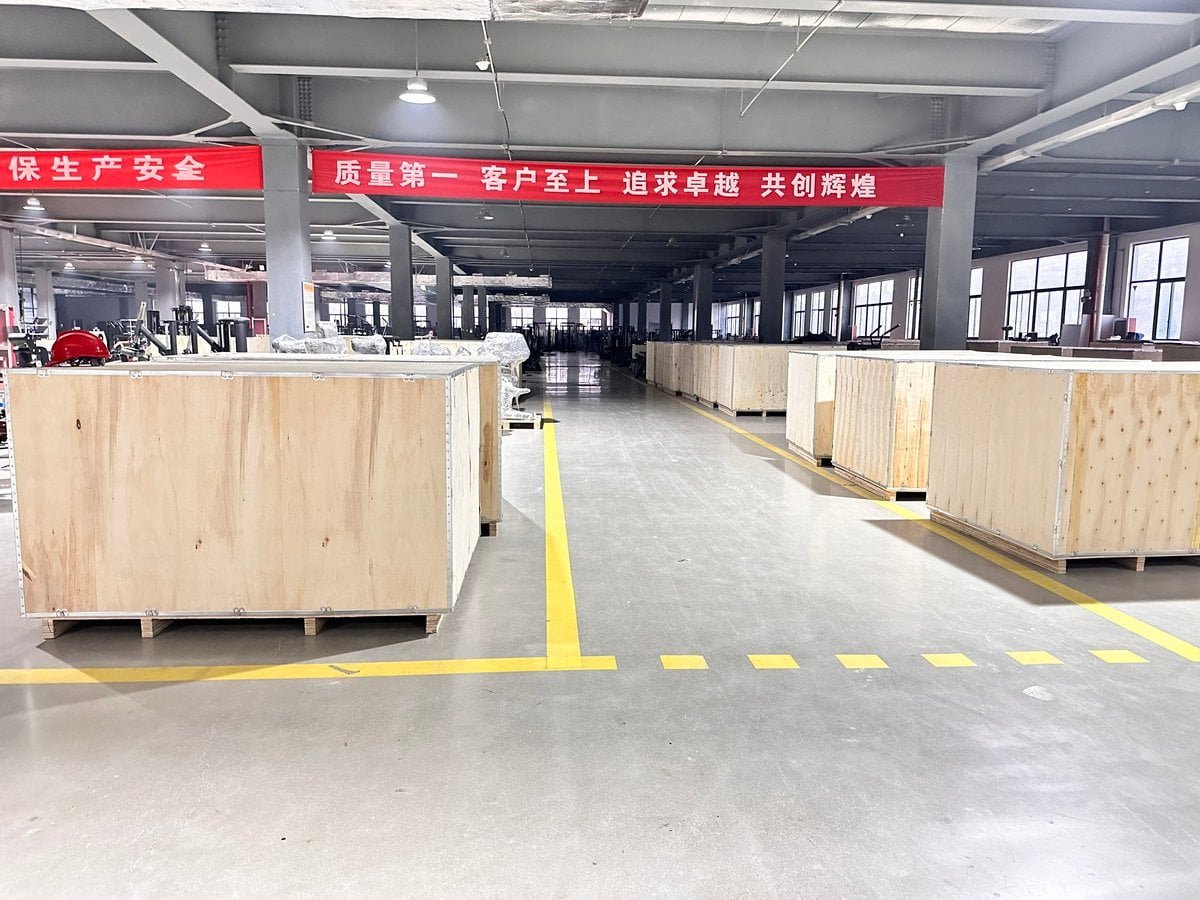
When we look for a new distributor in a region, we’re really looking for a true partner. It’s not just about placing orders. We need someone who can be our representative on the ground. This means you must have a legally registered business and a deep understanding of the local commercial fitness scene. Who are the major gym chains? What are the new studio trends? You need to know. You also need to have the capacity for sales and service. This means having a team or a plan to sell the equipment, but also to deliver, install, and provide after-sales support and maintenance. Finally, financial stability6 is key. You need the capital to purchase and hold inventory to serve your customers effectively. We provide world-class equipment and support; you provide the local expertise and customer-facing operations. Together, we can dominate a market.
| Distributor Requirement | Description |
|---|---|
| Business Registration | A legally registered business in your country of operation. |
| Market Knowledge | Deep understanding of the local commercial fitness market and its players. |
| Sales & Service Capacity | Ability to sell, deliver, install, and provide service for the equipment. |
| Financial Stability | Sufficient capital to purchase and hold necessary inventory. |
So, what are the first steps to actually start a fitness label?
Dreaming of your logo on a full line of strength machines? The first step is often the hardest. Let me break down the very beginning of the journey for you.
Start by defining your niche and your ideal customer. Don’t try to appeal to everyone. Then, develop a strong brand identity7 and a simple business plan before you even think about contacting a manufacturer. A clear vision is your most valuable asset.
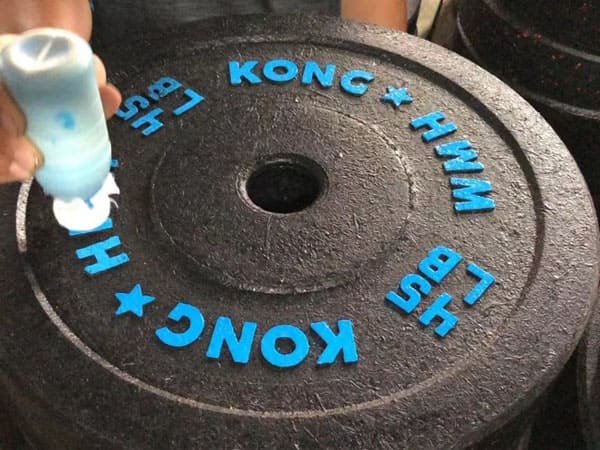
Before you send a single email asking for a price list, you need to do the foundational work. The most successful brands I’ve worked with didn’t start by asking about price; they started by telling me their story. First, find your niche. Who are you selling to? Is it for powerlifters who need ultra-durable racks? Or is it for boutique studios that want aesthetically pleasing, compact machines? The more specific you are, the better. Once you know your customer, you can build your brand story. Why should a gym owner buy from you instead of a dozen other brands? Maybe you’re a former gym owner who was frustrated with poor quality equipment. That’s a powerful story. Only after you have a clear vision of your customer and your story should you start planning your product line.
| Aspect | Weak Start (Avoid This) | Strong Start (Do This) |
|---|---|---|
| Target Market | "Everyone who works out" | "Commercial gyms and training studios in the Midwest" |
| Product Focus | "We’ll sell everything cheap" | "We specialize in high-end, durable plate-loaded machines" |
| Brand Story | "We sell gym equipment" | "Founded by engineers to build biomechanically perfect machines" |
Do I really need an LLC for my private label business?
You’re starting out and want to save money wherever possible. Setting up a formal company seems like an expensive hassle. But skipping this step can be a catastrophic mistake later on.
Yes, forming an LLC (Limited Liability Company) or a similar corporate entity is highly recommended. It separates your personal assets from your business debts and liabilities. This is especially critical in the fitness industry, where product liability is a real risk.
I’ll be very direct here. If you are selling fitness equipment, you must operate as a proper business entity. The "limited liability" in LLC is the most important part. It creates a legal wall between your business and your personal life. Imagine a scenario where, despite all safety measures, there’s an incident involving your equipment and your business gets sued. If you are operating as an LLC, they can only go after the assets of the business. If you are operating as a sole proprietor, they can come after your personal bank account, your car, and even your house. The risk is simply too great. Beyond this crucial protection, having an LLC makes you look more professional. To suppliers like me, it shows you are serious. To banks and larger customers, it’s a basic requirement for doing business. It’s a foundational step, not an optional one.
What is this "3 7 27 rule of branding" I’ve heard about?
Your new brand isn’t getting noticed. You feel like you’re posting on social media and sending emails into a void. This simple rule explains why and what you need to do about it.
The 3-7-27 rule is a marketing concept about customer perception8. A potential customer needs to see your brand 3 times to notice it, 7 times to remember it, and 27 times to trust it. It shows the importance of consistent, repeated marketing.

This rule is a powerful reminder that branding is a long game. You can’t just run one ad and expect sales to pour in. Let’s break it down. The first three impressions are just about getting on someone’s radar. This is the "Notice" stage. They might see your logo at a trade show or scroll past your ad on social media. The next stage, "Remember," takes about seven impressions. Now, they are starting to connect the dots. They might see an article about your company, then a video of your equipment in use, and then see your ad again. They now know who you are. The final and most important stage is "Trust." This takes around 27 impressions. This is where they have seen consistent positive reviews, read your case studies, and interacted with your content. They see you as a credible, reliable authority. Only then will they feel confident enough to make a significant purchase.
| Stage | Number of Impressions | Example Actions for a Fitness Brand |
|---|---|---|
| Notice | 3 | Social Media Ads, Trade Show Booth, Logo on a T-shirt |
| Remember | 7 | Blog Posts, Product Demo Videos, Email Newsletter |
| Trust | 27 | Customer Testimonials, In-depth Case Studies, Consistent Social Proof |
Conclusion
Private labeling offers a direct path to launching your fitness brand. Focus on quality, build a strong brand story, manage your risks, and partner with a reliable manufacturer.
-
Explore this resource to understand how private labeling can help you launch your fitness brand with reduced risk. ↩
-
Protect your brand by understanding the trademark registration process. ↩
-
Explore the necessity of product liability insurance to safeguard your business. ↩
-
Explore the essential safety standards to comply with when manufacturing fitness equipment. ↩
-
Find out the requirements and steps to become a successful distributor in the fitness industry. ↩
-
Learn why having financial stability is crucial for managing inventory and operations. ↩
-
Learn how to create a strong brand identity that resonates with your target customers. ↩
-
Understand this marketing concept to improve your brand’s visibility and trust. ↩