

Are you torn between the leg press and the traditional squat for building powerful, muscular legs? This common dilemma often leaves us confused about which exercise truly drives the best results. I understand this struggle, always wanting to make the most of my time in the gym.
The leg press provides a stable, supported way to intensely target the quadriceps with less spinal load, making it excellent for mass and rehab. Conversely, the squat is a superior compound movement for comprehensive leg strength, core stability, and functional power development.
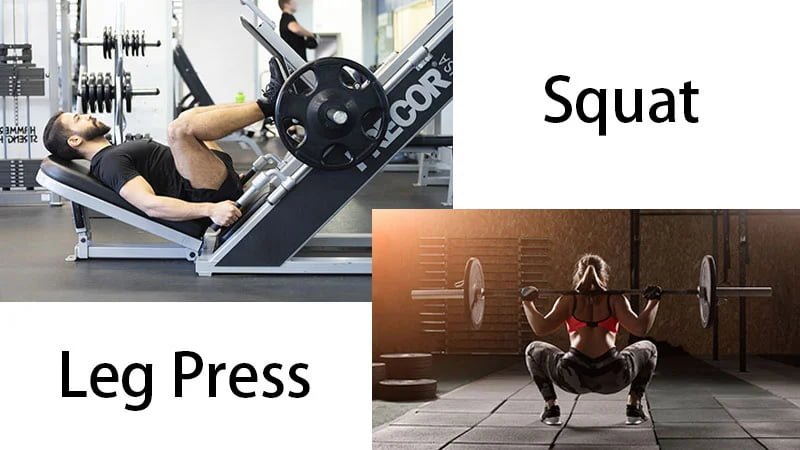
This debate isn’t just about weight numbers or muscle activation; it also involves your training goals, injury history, and even the equipment you have access to. Let’s delve into the specifics of each, helping you decide which exercise, or combination, will best serve your fitness journey.
Does Leg Press Build Muscle as Effectively as Squats?
Concerned if focusing on the leg press will give you the same muscle growth as squats? Many people worry about maximizing gains and often wonder about the primary movers in each exercise. This is a crucial question for anyone serious about hypertrophy.
The leg press is highly effective for building muscle, especially in the quadriceps, due to its ability to isolate the leg muscles and allow for heavy loading with minimal stabilization demands. However, squats offer a more balanced recruitment of glutes and hamstrings.
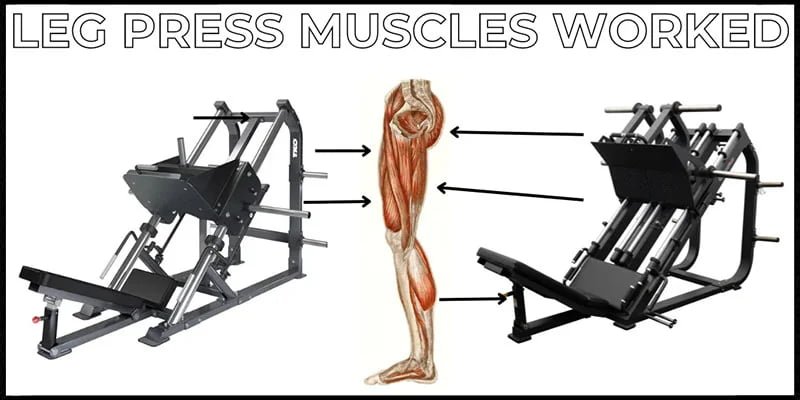
From my perspective crafting high-performance fitness equipment, I see how both serve specific hypertrophy goals. The leg press truly excels at isolating the quadriceps. Because your back is supported, and the range of motion is fixed, you can push your quads to their absolute limit without the smaller stabilizing muscles or your core giving out first. This focused muscular fatigue leads to significant quad hypertrophy, which is exactly what many bodybuilders and individuals seeking bigger thighs look for. The machine environment also makes it easier to achieve progressive overload week after week, as adding plates is simple, and the movement pattern does not require complex coordination. My insights show that for sheer quad volume and maximum weight potential, the leg press often “wins.” It allows for pushing much higher absolute weights than squats, leading to faster initial strength gains. However, while it does engage the glutes and hamstrings, its primary stimulus remains the quads. On the other hand, the barbell squat, particularly a deep squat, offers a more balanced stimulation across the quadriceps, glutes, and hamstrings almost equally. It also inherently involves a wider array of muscle groups in a coordinated effort, which contributes to overall leg development but also distributes the stress more broadly. If your goal is pure quad mass, a high-quality, sturdy leg press machine, like those engineered by Redprofitness, can be an incredibly effective tool in your arsenal.
Is Squatting Truly Better for Overall Strength and Stability?
Do you ever feel that squats challenge your entire body in a way the leg press doesn’t? Many people acknowledge the full-body recruitment of squats but wonder if this makes it objectively “better” for overall strength and stability. I have often pondered this myself.
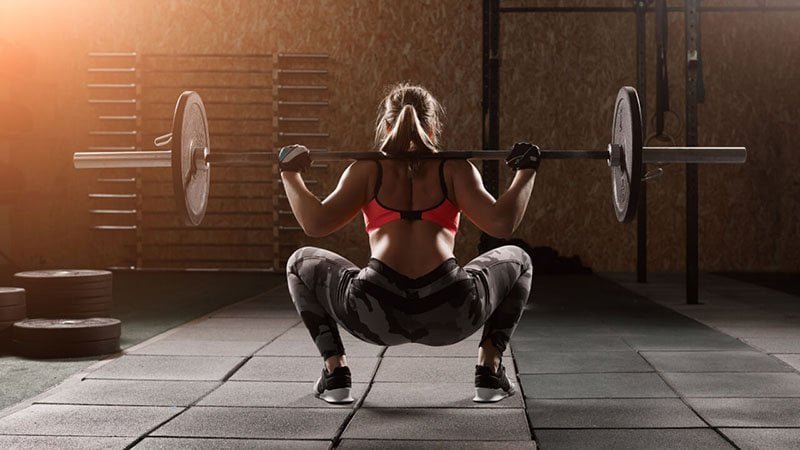
Squatting is superior for developing overall strength, core stability, and functional movement because it requires balancing a free weight while engaging the entire posterior chain and core simultaneously. The leg press minimizes these stability demands.
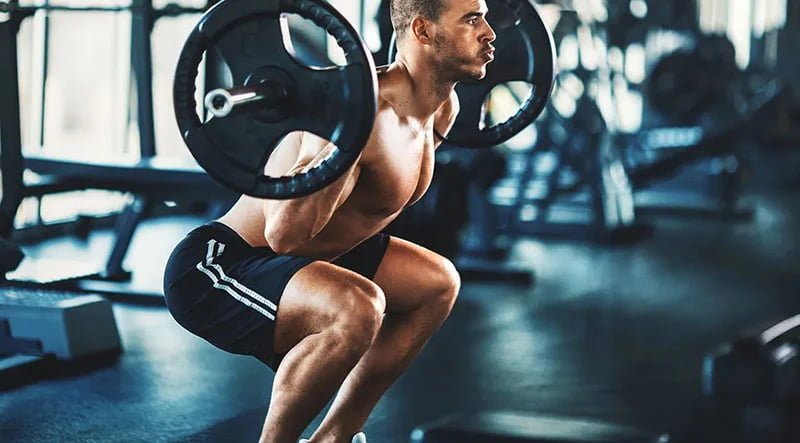
From my vantage point, designing equipment that supports peak athletic performance, the distinction is clear: the squat is unmatched for comprehensive strength and stability. It is often called the “king of all exercises” for good reason. When you squat, you are not just moving weight with your legs; you are stabilizing a heavy barbell on your back, maintaining an upright torso, and controlling the movement through a full range of motion. This demands intense activation from your core muscles – the rectus abdominis, obliques, and especially the spinal erectors – to prevent spinal flexion or extension. It also recruits smaller stabilizing muscles in your hips, ankles, and upper back to maintain balance and proper form. This constant engagement of numerous muscle groups builds a functional strength that translates directly to real-world movements, sports, and other complex lifts. Moreover, my insights indicate that squats trigger a higher hormonal response (like testosterone and growth hormone) compared to isolated machine exercises, which is beneficial for overall muscle growth and recovery. While a robust leg press from Redprofitness can provide an excellent foundation of leg strength, it fundamentally skips these crucial stability and core engagement elements. For athletes, powerlifters, or anyone seeking a powerful, resilient, and functionally strong body, the squat remains indispensable.
Which Exercise Is Safer for Your Back and Knees?
Considering your joints and spine must last a lifetime, which exercise truly minimizes risk? Many people are cautious about putting too much stress on their lower back or knees, whether they are beginners or have past injuries. I know this concern is paramount for many.
The leg press is generally safer for the lower back due to its supported position, eliminating direct spinal compression, and can be easier on the knees with proper foot placement. Squats, however, demand excellent form to protect the spine and joints from injury.
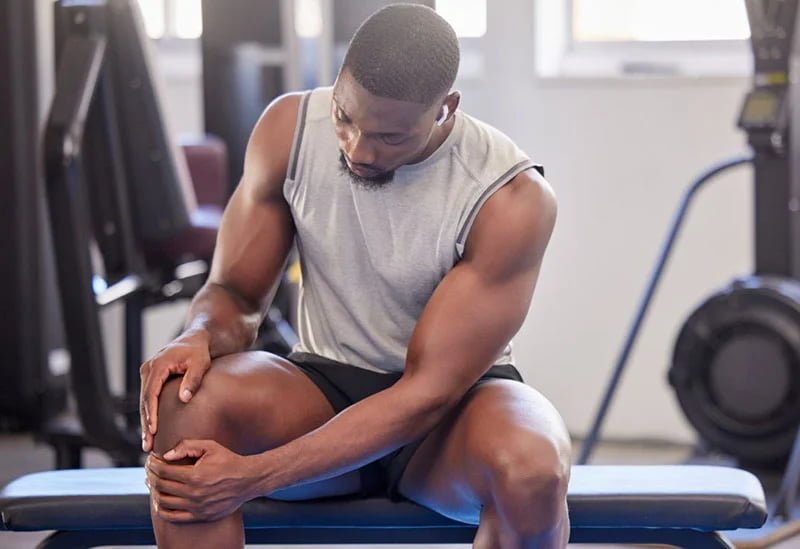
When we discuss gym safety, especially concerning the spine and knees, the leg press often emerges as the preferred option for many. As specialists in manufacturing heavy-duty training equipment, we meticulously engineer our Redprofitness leg press machines to provide maximum support. Its design virtually eliminates direct spinal load, as your back is fully braced against a padded backrest. This makes it an absolute savior for individuals with pre-existing lower back pain, those recovering from injuries, or even beginners who are still learning to brace their core effectively. Furthermore, the knee pressure on a leg press can be more easily controlled; with careful foot positioning and by avoiding excessively deep ranges of motion if needed, you can minimize strain. In contrast, the barbell squat places direct axial load on the spine, which, while beneficial for strength development, carries a higher risk of injury if form breaks down. Poor squat technique—rounding the back, excessive knee caving, or going too deep without adequate ankle mobility—can lead to significant pressure on the lumbar discs and knee joints. While squats can be made safer with meticulous coaching and proper warm-ups, the inherent biomechanics of the leg press make it a lower-risk option for direct load application to the leg muscles. This is why for rehabilitation or cases where spinal loading must be avoided, a high-quality horizontal or 45-degree leg press machine is an invaluable piece of equipment.
Can a Leg Press Replace Squats for Your Leg Day?
Are you wondering if you can just stick to leg press and skip squats altogether? Many people, especially those with comfort or mobility issues, look for a straightforward answer to this question. I have often heard this from clients seeking efficient training solutions.
A leg press cannot fully replace squats if your goal is comprehensive functional strength and significant core involvement, but it can be a highly effective primary substitute for building leg muscle, particularly the quads, especially for those with back issues or rehab needs.
From my experience advising on equipment selection, whether a leg press can “replace” squats depends entirely on your specific goals. If your primary objective is to build muscle mass in your legs, particularly your quadriceps, and you prioritize minimizing strain on your lower back and learning a technically simpler movement, then yes, the leg press can be a fantastic cornerstone for your leg day. As my insights suggest, for pure leg mass and circumferences, especially of the quadriceps, the 45-degree leg press excels, allowing you to move maximum weight and achieve faster progress than with squats. It is also an ideal choice for individuals dealing with lower back pain, those in a rehabilitation phase, or beginners who need to build foundational leg strength without complex technical demands. Many of our Redprofitness clients, both commercial gyms and serious home users, attest to the leg press’s effectiveness in this regard. However, it cannot replicate the functional strength, intense core activation, balance requirements, or the full-body hormonal response that a compound, free-weight movement like the squat provides. If you are an athlete, a powerlifter, or someone whose goal is overall athleticism, total body strength, or hormonal optimization, then squats are irreplaceable. For almost everyone else, especially those focusing on pure leg hypertrophy or needing a back-friendly option, a well-placed, high-quality leg press can confidently take center stage in your leg routine.
How Do Leg Press and Squat Compare for Moving Heavy Weight?
Ever feel like you can achieve an unbelievably high number on the leg press, but your squat max seems modest in comparison? This disparity often leaves people wondering about the raw strength potential of each exercise. I see our machines handle massive loads all the time.
The leg press allows for significantly heavier weight to be moved compared to the squat because its fixed movement pattern minimizes stabilization and balance requirements. This mechanical advantage lets the leg muscles exert maximum force more directly.
From a mechanical engineering standpoint, the leg press is designed to allow you to move an immense amount of weight, often far exceeding what you could ever squat. My insights confirm that pushing 1000-2000kg on a 45-degree leg press is not uncommon, while a 300-500kg squat is considered elite. This difference is rooted in the fundamental design of the exercise. With a leg press, the entire system is stable: your back is supported, the weight moves on a fixed track, and there is no need for you to balance or recruit small stabilizer muscles to prevent the weight from falling. This means almost all the force you generate goes directly into pushing the weight with your prime movers—primarily your quadriceps. Our Redprofitness leg press machines are built with ultra-high-strength alloy steel and precision bearings to handle these extreme loads safely and smoothly. Furthermore, there’s a significant mechanical advantage on many leg press machines, particularly incline models, where you are not directly pushing against gravity in a 1:1 ratio. This combination reduces the perceived effort and the overall systemic demand, allowing you to accumulate huge amounts of volume and load. For individuals aiming to push absolute maximal weight and experience rapid strength gains in their legs, especially new lifters, the leg press offers an unparalleled path to moving serious poundage more quickly than the much slower progression typical of complex, free-weight squats.
What is the Smartest Way to Train Legs for 2025?
Feeling overwhelmed by all the choices and conflicting advice on leg training? Many of us are simply looking for the most effective and intelligent approach to build strong, aesthetic legs in the coming year. I believe a smart strategy involves understanding both tools.
The smartest way to train legs for 2025 involves integrating both leg press and squats to leverage their individual strengths. Use squats for functional strength and core development, and leg press for high-volume quad hypertrophy and addressing specific muscle weaknesses.
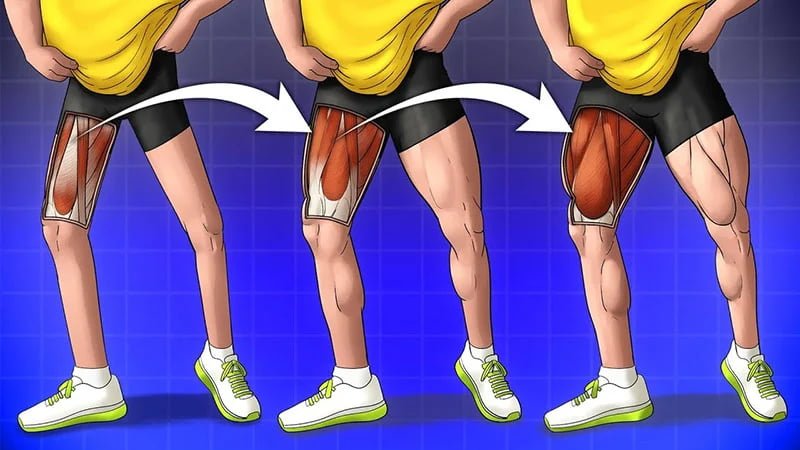
Based on all my knowledge and working closely with top-tier brands and gym chains, the optimal strategy for leg training in 2025 is not to choose one over the other, but to intelligently incorporate both exercises. As my insights suggest, the squat is unparalleled for developing overall functional strength, explosive power, and a rock-solid core—essential for athletes and anyone looking for a truly strong, resilient body. It also provides that crucial hormonal stimulus. However, the leg press, especially a well-built 45-degree machine, offers a unique advantage for pure quad hypertrophy. It allows you to train your legs to absolute failure with less systemic fatigue and zero spinal load, making it ideal for high-volume training cycles or for individuals with back concerns. For a gym owner, providing both a robust squat rack (like those precision-manufactured by Redprofitness) and a versatile 45-degree leg press is key to catering to all client needs, from powerlifters to bodybuilders to those in rehab. For a home gym user, starting with a space-saving horizontal or wall-mounted folding leg press from Redprofitness can quickly build leg strength, making the eventual transition to free-weight squats much safer and more effective. If you have a specific goal, such as addressing a muscular imbalance or protecting an injury, prioritizing one over the other in certain phases makes sense. The ultimate solution lies in cycling between them or incorporating both into your routine, using each for its distinct benefits.
Conclusion
Both the leg press and squat are powerful leg-building tools, each with unique advantages for different goals and needs. An intelligent approach involves understanding their strengths and integrating them wisely.
Choosing Redprofitness means partnering with an expert in high-end fitness equipment, ensuring you get durable, high-performance machines for any training goal.