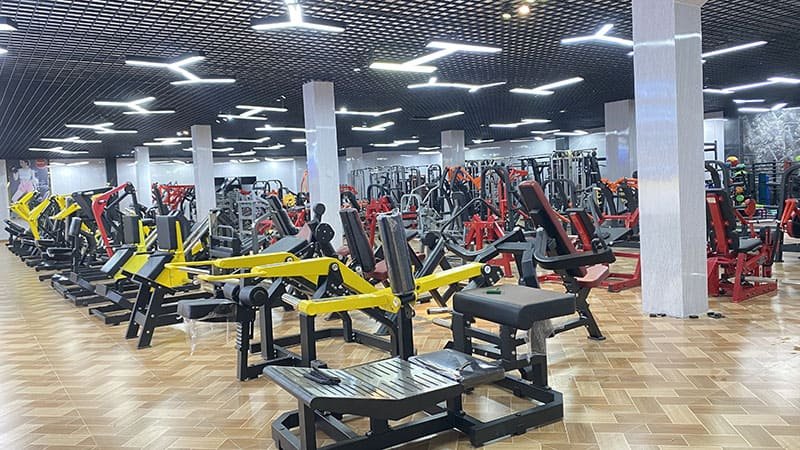
Stepping into a gym for the first time can feel overwhelming. Faced with rows of complex machinery and racks of dumbbells and barbells, the first question on every beginner’s mind is: “Where do I start?” This guide will break down the classic debate—machines versus free weights—to help you build a safe, effective, and confident start to your fitness journey.
Should beginners use free weights or machines?
This isn’t an “either/or” question; the smartest approach for a beginner involves using both. The best strategy is to leverage the unique benefits of each to build a well-rounded foundation of strength, confidence, and proper technique.
Think of it as a two-stage process:
- Start with Machines: Use machines to learn the basic movements, build initial strength in a controlled environment, and develop a “mind-muscle connection” (the ability to feel the specific muscle you are training).
- Integrate Free Weights: Once you feel comfortable and have built a base level of strength, begin to incorporate fundamental free-weight exercises. This will challenge your body in new ways, improving balance, coordination, and real-world strength.
What gym equipment is best for beginners?
For a beginner, the “best” equipment is that which allows you to learn proper form safely while still providing a challenge. A balanced routine will include a mix of the following:
-
Beginner-Friendly Machines:
- Leg Press: A safe way to build lower body strength without the technical demands of a squat.
- Chest Press Machine: Isolates the chest, shoulders, and triceps with a guided motion.
- Lat Pulldown: A great introduction to building back strength, mimicking a pull-up.
- Seated Cable Row: Excellent for targeting the muscles of the mid-back with good postural support.
-
Introductory Free Weights:
- Dumbbells: Start with light dumbbells for exercises like bicep curls, goblet squats, and overhead presses.
- Kettlebells: A kettlebell swing is a fantastic full-body movement, but it’s crucial to learn the form from a qualified professional.
Why are machines safer than free weights?
Safety is the paramount concern for any beginner, and this is where machines truly excel. Machines are generally considered safer for two key reasons:
- Fixed Path of Motion1: A machine guides your body through a specific, controlled movement pattern. This drastically reduces the risk of using improper form and placing stress on the wrong joints or muscles. It essentially forces you into a “correct” C-frame of movement.
- Reduced Need for Stabilizers2: Free weights require you to engage numerous small stabilizer muscles to control the weight and maintain balance. A beginner may not have the strength or coordination to do this, leading to wobbly movements and potential injury. Machines remove this variable, allowing you to focus solely on moving the weight.
What are the disadvantages of machine weights?
While excellent for beginners, machines have limitations that become more apparent as you advance.
- One-Size-Fits-Most Design: Machines are built for the “average” person, but bodies are unique. The fixed angles and dimensions might not perfectly align with your specific body mechanics, potentially causing discomfort or limiting the effectiveness of the exercise.
- Limited Functional Strength: Life doesn’t happen on a fixed track. Functional strength is the strength you use for daily activities like carrying groceries, lifting a box, or playing with your kids. Because machines isolate muscles and do the stabilizing work for you, they are less effective at building this type of real-world, coordinated strength compared to free weights.
Why are free weights typically not recommended for an absolute beginner?
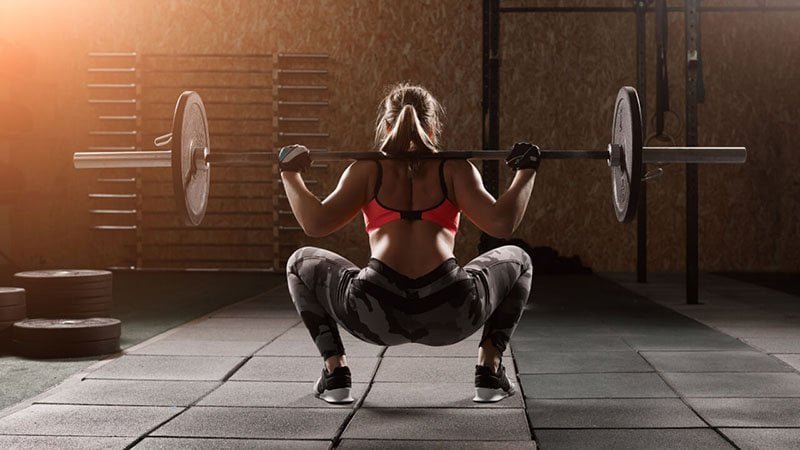
The primary reason free weights pose a challenge for beginners is the high learning curve combined with a greater risk of injury. Mastering a free weight exercise like a barbell squat or deadlift requires a combination of:
- Balance: You have to control your own body in space.
- Coordination: All your muscles must work together harmoniously.
- Proper Form: You must execute the movement pattern correctly to target the right muscles and avoid injury.
Attempting to manage all these factors at once with a heavy load can easily lead to mistakes and injuries, which is why a foundational phase with machines is so highly recommended.
Can you build muscle using machines only?
Absolutely. The fundamental principle of muscle growth (hypertrophy) is progressive overload—consistently challenging your muscles with more resistance over time. Your muscles don’t know if that resistance is coming from a dumbbell, a barbell, or a machine.
Machines are incredibly effective for building muscle because they allow for excellent muscle isolation. This lets you target a specific muscle group and work it to fatigue safely, which is a powerful stimulus for growth.
Why do bodybuilders use machines instead of free weights?
This is a common observation, but it’s a bit of a misconception. Elite bodybuilders use both free weights and machines, but they use them for very specific reasons. After building a massive foundation of strength and size with free weight compound movements (like squats, deadlifts, and bench presses), they use machines for:
- Precision Isolation3: To target and sculpt a specific part of a muscle that is hard to hit with free weights.
- Safety to Failure4: To push a muscle to its absolute limit without the risk of being crushed by a weight, especially when training alone.
- Variety and Overload: To introduce a new stimulus to the muscle to keep it adapting and growing.
For bodybuilders, machines are a precision tool, not a replacement for the foundational power of free weights.
What weights should a beginner get?
Instead of focusing on a specific number on the dumbbell, focus on the feeling. The right weight is one that allows you to do the following:
- Complete 10-15 repetitions with perfect form.
- Feel the last 2-3 reps are challenging, but not impossible.
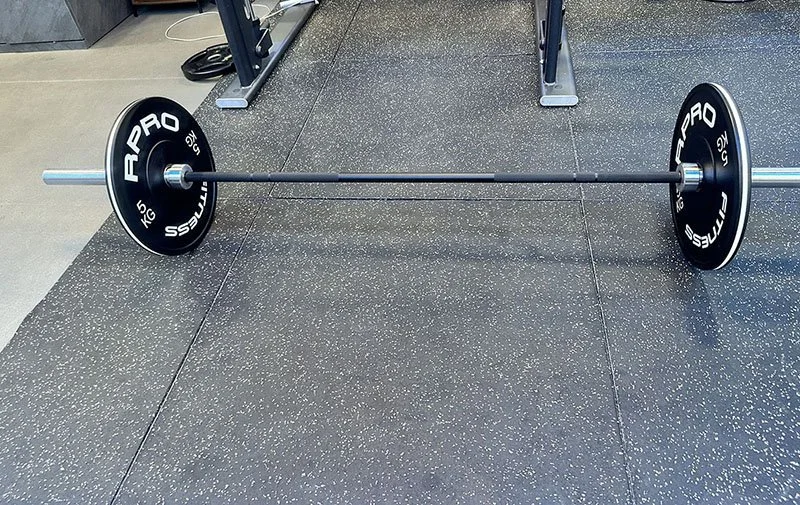
If you can easily perform more than 15 reps, the weight is too light. If you are struggling to maintain form before you hit 10 reps, the weight is too heavy. For barbell exercises, start with just the empty bar to master the movement pattern before adding any plates. When in doubt, always start lighter—you can increase the weight on your next set.
Conclusion: Your Path Forward
Don’t get caught in the “machines vs. free weights” debate. The most successful fitness journeys are built on a hybrid approach. Start your workouts with machine-based exercises to build your confidence and a solid base of strength. As you progress, slowly introduce fundamental free-weight movements with light weights. Most importantly, listen to your body, prioritize perfect form over heavy weight, and don’t be afraid to ask a certified trainer for guidance. By leveraging the best of both worlds, you’ll build a strong, capable, and resilient body for the long term.
-
Explore this link to understand how Fixed Path of Motion enhances safety and effectiveness in workouts. ↩
-
This resource will explain how machines help beginners focus on strength without risking injury. ↩
-
Understanding Precision Isolation can enhance your workout by targeting specific muscle areas effectively. ↩
-
Exploring Safety to Failure techniques can help you maximize your training intensity while minimizing injury risks. ↩