Leg machines serve as a cornerstone in strength training, particularly for the lower body. These machines offer unique advantages, including target muscle isolation, improved stability, and the ability to control range of motion. Understanding the engineering behind these machines elevates our approach to training, allowing coaches and athletes to maximize effectiveness while minimizing injury risks.
What are Leg Machines?
Leg machines are specialized pieces of gym equipment designed to enhance leg strength through controlled resistance. The primary categories include:
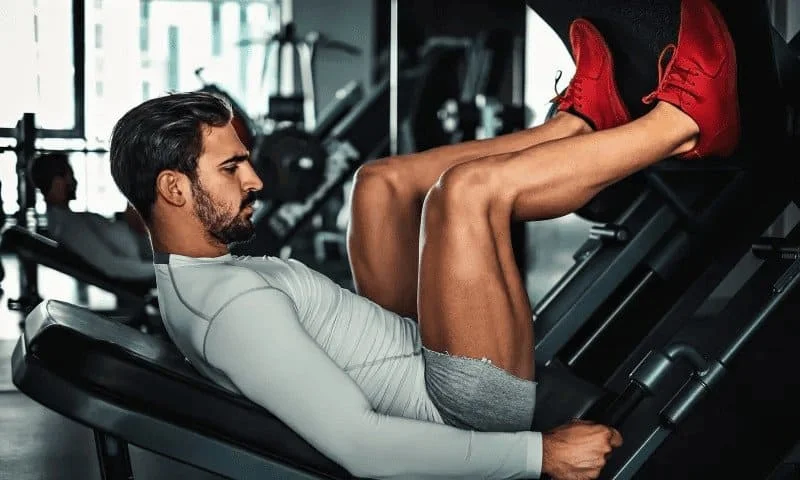
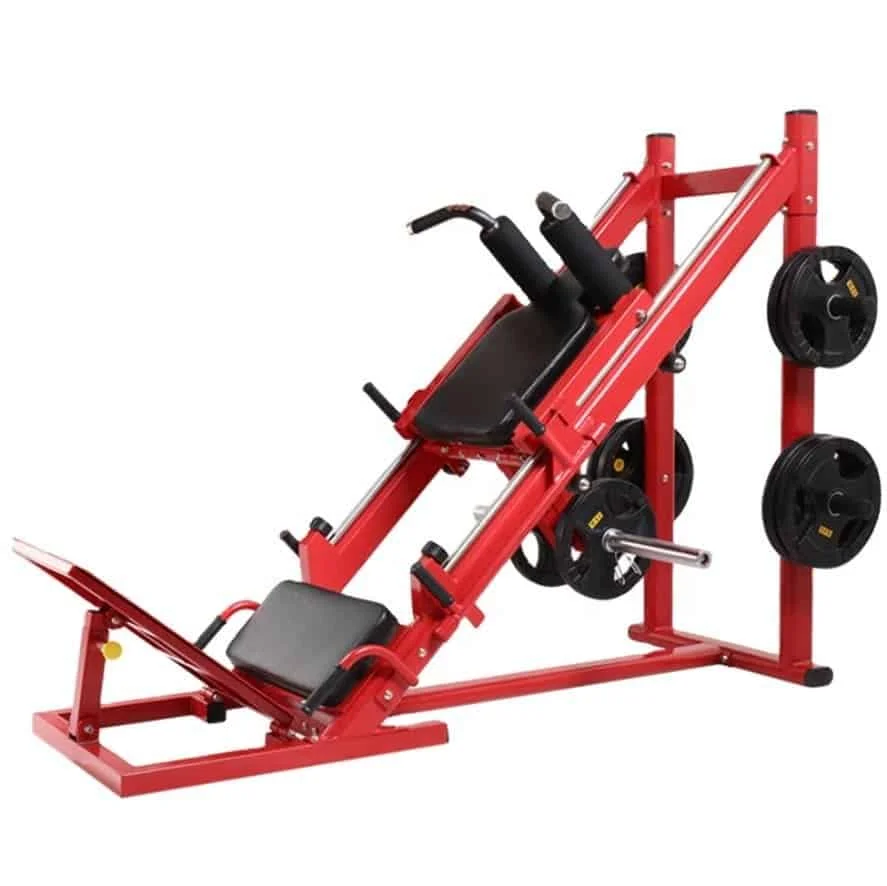
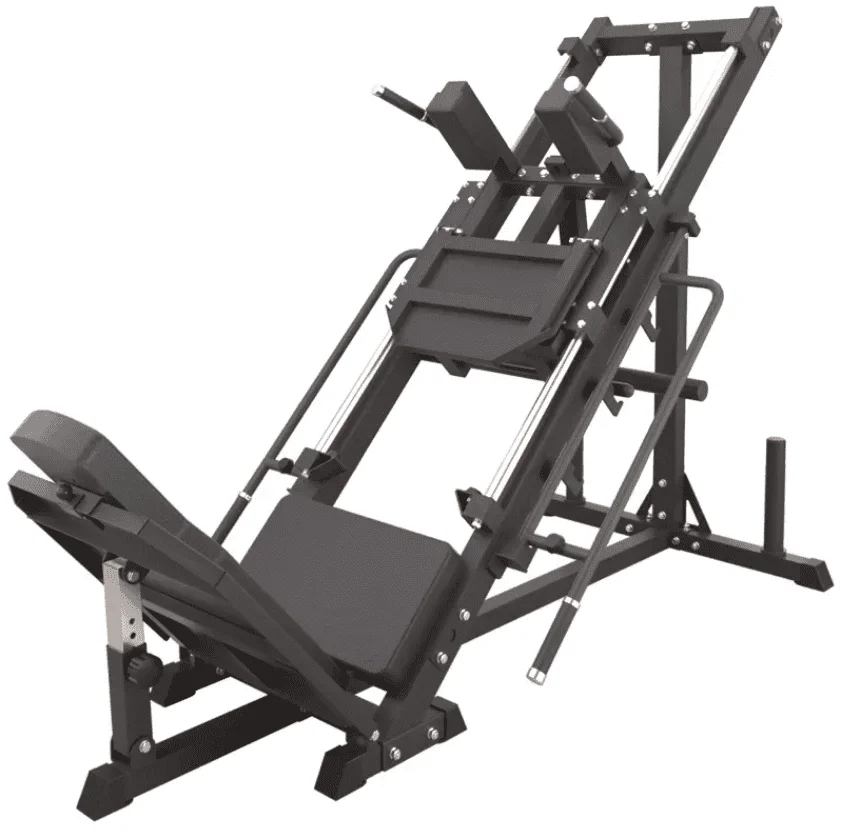
- Leg Press Machines: Target the quadriceps, hamstrings, and glutes by pushing a weighted platform.
- Leg Curl and Extension Machines: Isolate the hamstrings and quadriceps, respectively.
- Calf Raise Machines: Focus on strengthening the gastrocnemius and soleus muscles.
- Hip Abductor and Adductor Machines: Target the inner and outer thigh muscles.
Mechanical Functionality
Lines of Force and Joint Angles
Understanding the mechanics of leg machines involves analyzing the lines of force and the angles at which they operate. For example, in a leg press, the line of force typically runs perpendicular to the footplate. This alignment optimizes muscle engagement across various joint angles, thus ensuring effective recruiting of muscle fibers.
Torque and Joint Mechanics
Joint angles play a significant role in torque generation. As the knee extends during a leg press, torque demands increase, particularly at the knee joint. High-quality machines, such as those engineered by RedPro, might employ thicker steel gauge for frame stability, ensuring the machine maintains structural integrity under these forces. Additionally, the smooth transition provided by high-grade bearings during movement minimizes friction, thereby enhancing the user’s experience.
Muscle Groups Targeted
Quadriceps
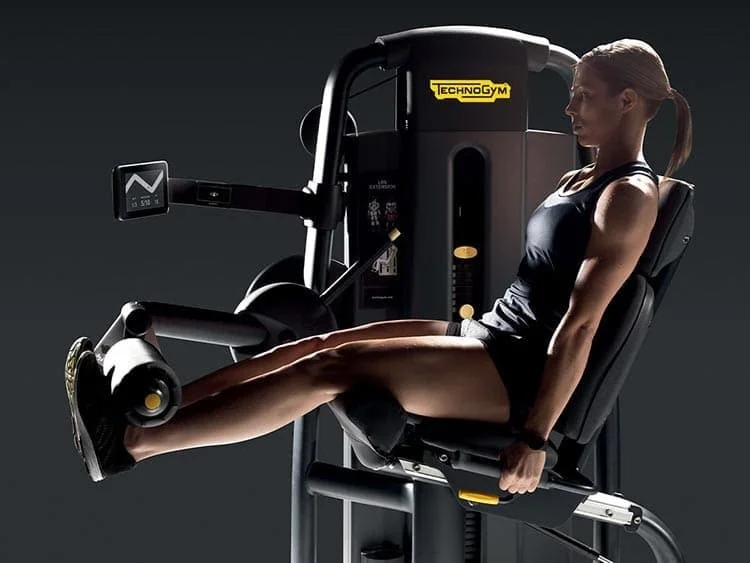
The quadriceps femoris, comprising four muscles at the front of the thigh, are predominantly targeted during leg extension exercises. A machine that employs a cam design to alter resistance throughout the range of motion offers superior engagement compared to machines relying solely on gravity.
Hamstrings
Conversely, the hamstrings, located at the back of the thigh, are activated during leg curls. Proper machine geometry is critical; for instance, a seated leg curl machine needs to ensure that the pivot point aligns closely with the knee joint for optimal recruitment.
Engineering Excellence: What Separates Good Equipment from Bad
Material Quality and Construction
- Steel Gauge and Tubing Dimensions: Thicker steel tubing in leg machines significantly reduces frame torsion during heavy loads. RedPro’s commitment to engineering precision is evident in their choice of materials, which prioritize long-term durability and performance.
- Weld Penetration: The quality of welds directly impacts frame integrity. Continuous and robust welds placed at high-stress joints prevent structural failure during demanding lifts.
- Type of Bearings or Bushings: For instance, using industrial-grade ball bearings facilitates smooth operation, reducing wear and tear while enhancing user experience.
Adjustable Features for User Ergonomics
The ability to adjust settings—such as seat height, foot position, and weight resistance—is crucial. This not only allows users of differing sizes to perform exercises accurately but also helps prevent common injuries associated with poor machine alignment. The ergonomics of a machine can directly influence biomechanics, enhancing force transfer and reducing the risk of injuries.
User Types and Equipment Suitability
Beginners
For novice lifters, machines are often more accessible than free weights due to their inherent stability. Beginners should prioritize machines that offer clear instructions and adjustments to accommodate their learning curve.
Intermediate Lifters
As lifters progress, they require equipment that offers more versatility and the ability to perform multiple exercises. Machines with adjustable attachments or modular capabilities are ideal in this demographic.
Advanced Lifters and Commercial Gyms
For elite athletes and commercial facilities, durability and multi-functionality are paramount. Machines must withstand rigor under frequent heavy use. Commercial-grade machines from brands like RedPro often include reinforced joints and professional designs that can endure high-frequency training.

Choosing the Right Leg Machine
Key Specifications to Consider
When selecting a leg machine, buyers should prioritize:
- Weight Capacity: Ensure the machine can accommodate heavier weights for progressive overload.
- Adjustability: Look for options that can be tailored to different users and workouts.
- Footprint and Stability: Consider the space available and ensure the machine remains stable during heavy lifts.
Common Mistakes When Buying
- Overlooking Frame Quality: Purchasing based solely on price may neglect essential factors like frame stability and material quality.
- Ignoring Ergonomic Adjustments: Machines that do not cater to a user’s anatomy can lead to discomfort and injury.
Expert Coaching Insight
Safe Setup Techniques
- Foot Positioning: Ensure feet are placed correctly on the platform during leg presses to avoid unwanted knee strain.
- Aligning Joints: For extension and curl machines, alignment between the knee and pivot point is crucial to minimize joint stress.
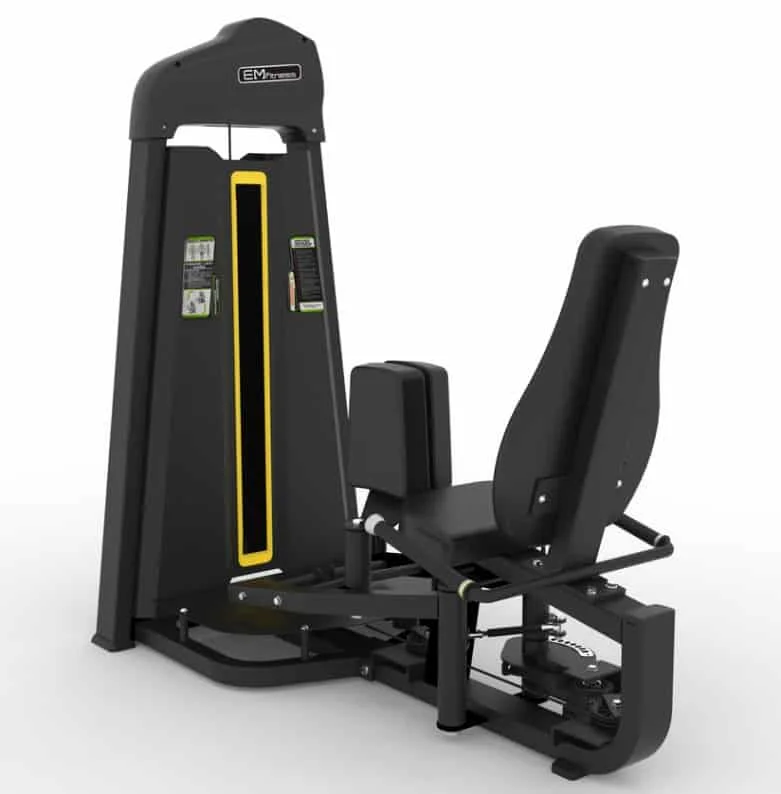
plate loaded abadductor Common Technique Errors
- Locking Joints: Avoid hyperextending or locking out knees during presses or curls to prevent injuries.
- Using Too Much Weight Too Soon: Prioritize form and controlled motion over lifted weight.
Biomechanics Shift with Adjustments
Adjusting the seating position or foot placement can substantially affect how forces are distributed across the muscle groups. For instance, a lower foot placement on a leg press machine will emphasize more on the quadriceps, while a higher placement may shift focus towards the glutes.
Sample Program Applications
For athletes focusing on strength:
- Leg Press: 4 sets of 8 reps at 75% 1RM
- Leg Extensions: 3 sets of 10 reps
- Hamstring Curls: 4 sets of 8-12 reps.
Maintenance & Longevity
Hardware Tightening Intervals
It’s crucial to conduct regular inspections of all bolts and connections, and tightening them every few months to ensure stability and safety.
Lubrication Points
Regularly inspect and lubricate moving parts such as bearings, pulleys, and hinge points to maintain smooth operation.
Cable and Pulley Inspection
Look for any signs of wear, fraying, or structural damage on cables and pulleys. Promptly replacing worn parts can significantly extend machine life.
Padding Wear Indicators
Cushion padding needs regular inspections. Look for cracks, tears, or degradation which can compromise comfort during use.
Commercial Maintenance Practices
In commercial environments, routine maintenance checks can improve machine durability. Establishing a maintenance log ensures that inspections are timely and thorough, optimizing uptime and user satisfaction while minimizing long-term repair costs.
Conclusion
Leg machines offer diverse training opportunities that target critical muscle groups in the lower body. By understanding their engineering intricacies—ranging from material quality to biomechanical advantages—coaches and fitness enthusiasts can make informed selections, optimizing user experience and safety while achieving desired performance outcomes. Brands like RedPro exemplify quality construction and design principles, ensuring reliable performance for both individual and commercial settings.