

Ever look at a complex multi-station gym machine and wonder what separates a high-end model from a cheaper one? Choosing wrong can lead to buyer’s remorse and safety risks.
A premium multi-station machine is made through a meticulous process: starting with ergonomic design and high-grade steel selection, followed by precision manufacturing like laser cutting and robotic welding, then rigorous load testing, and finally, careful assembly and protective packaging.
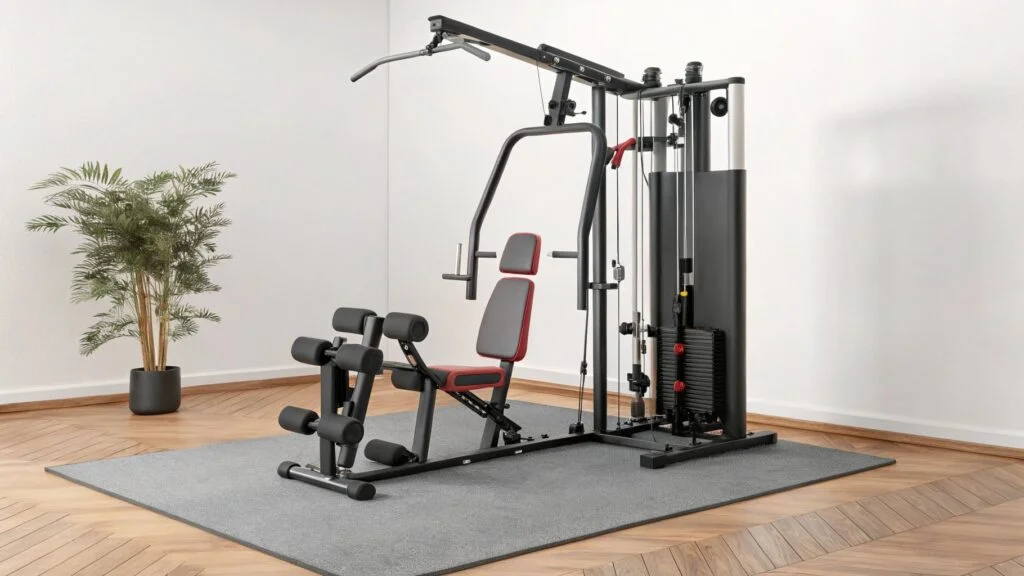
The final product you see on a gym floor is the result of hundreds of hours of engineering, fabrication, and testing. As a manufacturer for top-tier brands, I see firsthand what it takes to transform raw steel into a piece of equipment that’s not only effective but also incredibly safe and durable. Let’s pull back the curtain and walk through the entire process, step by step.
Are multi-gym machines worth the investment?
Trying to equip a gym or home space on a budget is tough. Is one big machine really a better value than buying individual pieces of equipment over time?
Yes, a high-quality multi-gym is worth the investment because it combines the function of several machines into one compact footprint. It offers superior safety, versatility, and cost-effectiveness compared to outfitting a space with numerous single-station units.
The value of a multi-station machine goes beyond just the initial price tag. It’s an investment in efficiency, space, and safety. For gym owners, it means serving more members in less space. For home users, it means getting a full-body workout1 without needing an entire garage. I’ve worked with many product managers who initially hesitated at the cost, but they quickly realized the long-term benefits. A well-made machine is built to last for decades, providing a much higher return on investment than cheaper alternatives that need frequent replacement or repair. It consolidates your needs into a single, reliable piece of equipment that becomes the centerpiece of any training space.
| Feature | Multi-Station Machine | Multiple Single Machines |
|---|---|---|
| Space | Highly efficient, compact footprint | Requires significantly more floor space |
| Cost | Higher initial cost, but better long-term value | Lower individual cost, but adds up to more total |
| Versatility | Dozens of exercises in one machine | Limited to one or two exercises per machine |
| Safety | Guided motion provides a controlled, safe workout | Varies; free weights require more skill/spotter |
| Flow | Transition quickly between different exercises | Move around the gym between different stations |
How is a high-strength steel frame actually manufactured?
You see a solid steel frame, but how does it get that way? The process transforming raw metal into a precision-engineered structure is what defines a machine’s quality and strength.
The process starts with cutting commercial-grade Q235 steel tubes with 3D lasers. Then, robotic arms perform automated welding for perfect, strong joints. Finally, the frame undergoes an industrial-grade electrostatic powder coating for a durable, corrosion-resistant finish.
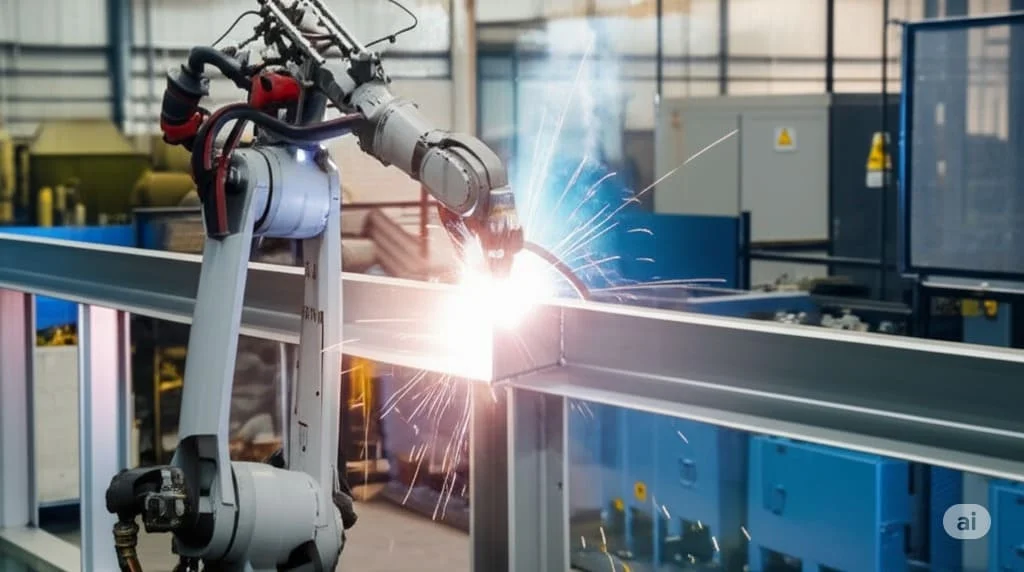
Inside our factory, this process is a blend of raw power and delicate precision. It’s what separates a professional-grade machine from a consumer-grade one.
Phase 1: Design and Material Preparation
Everything starts with a CAD (Computer-Aided Design2) model. Our engineers focus on ergonomics and structural integrity. We select heavy-duty commercial steel like Q235, known for its incredible strength. We then use high-precision 3D laser cutters3 to cut the tubes. This is far more accurate than manual cutting and ensures every component fits together perfectly, with tolerances kept within ±0.5mm.
Phase 2: Fabrication and Welding
This is where the frame takes shape. We use robotic welding arms4 for the most critical joints. A robot lays down a perfect, consistent weld every single time, eliminating the risk of human error. This creates joints that are significantly stronger and more durable than manual welds. For other parts, precision stamping and forming machines5 create the smaller components that make up the pulleys, brackets, and supports.
Phase 3: Surface Finishing
Before assembly, the raw steel frame goes through a multi-stage finishing process. It’s sandblasted to create a clean surface, then treated for corrosion resistance. Finally, we apply an electrostatic powder coat. This process gives the frame a thick, durable, and even finish that resists scratches, rust, and sweat.
What rigorous tests guarantee a machine’s safety and durability?
A machine looks strong on the sales page, but how can you be sure? A failure under load is not just a defect; it’s a serious safety risk.
Quality is verified through a triple-check system. First, a static load test at 1.5 times the machine’s rated capacity. Second, a durability test simulating thousands of reps. Finally, a functional test checks every pulley, cable, and adjustment point.
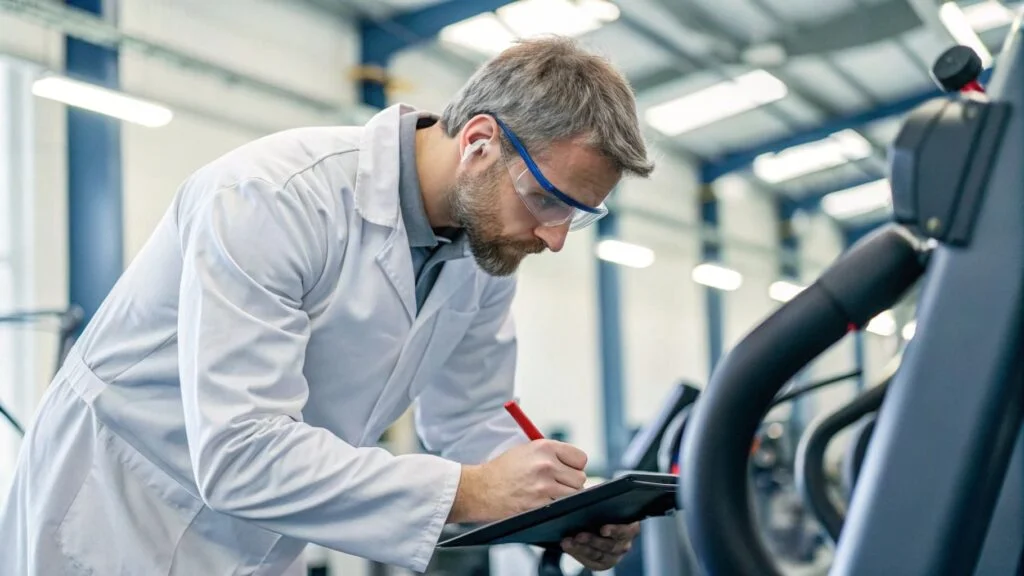
In our quality assurance system, we are ruthless. We believe that you can’t just inspect quality into a product; you have to build it in and then verify it with brutal testing. We know that top brands can’t afford a single safety failure, so we test every machine as if it were destined for a world-championship training facility. This uncompromising approach is a cornerstone of our business.
Our Three-Tier Testing Protocol
-
Load-Bearing Test6: We take a fully assembled machine and subject its frame and key components to a static pressure test at 1.5 times its maximum rated load. For example, a squat rack rated for 400 kg is tested at 600 kg. There can be no bending, cracking, or signs of stress.
-
Durability and Cycle Test7: We use custom rigs to simulate years of heavy use in a busy gym. We cycle the weight stacks, pull the cables, and move the adjustable arms thousands of times to check for wear and tear on pulleys, bearings, and coatings.
-
Functional and Cosmetic Inspection8: Before a machine is packaged, a technician conducts a full functional check. They ensure every weight selector pin engages smoothly, every pulley glides silently, and every adjustable seat locks securely. They also perform a final cosmetic check to ensure the finish is flawless.
Can you build muscle using gym machines?
Many lifters believe free weights are the only way to build serious muscle. Is it true that machines are less effective, or could you be missing out on gains?
Yes, you can absolutely build significant muscle using machines. They are highly effective because they isolate target muscles, provide constant tension throughout the exercise, and allow for safe progressive overload, all of which are critical drivers of muscle growth.
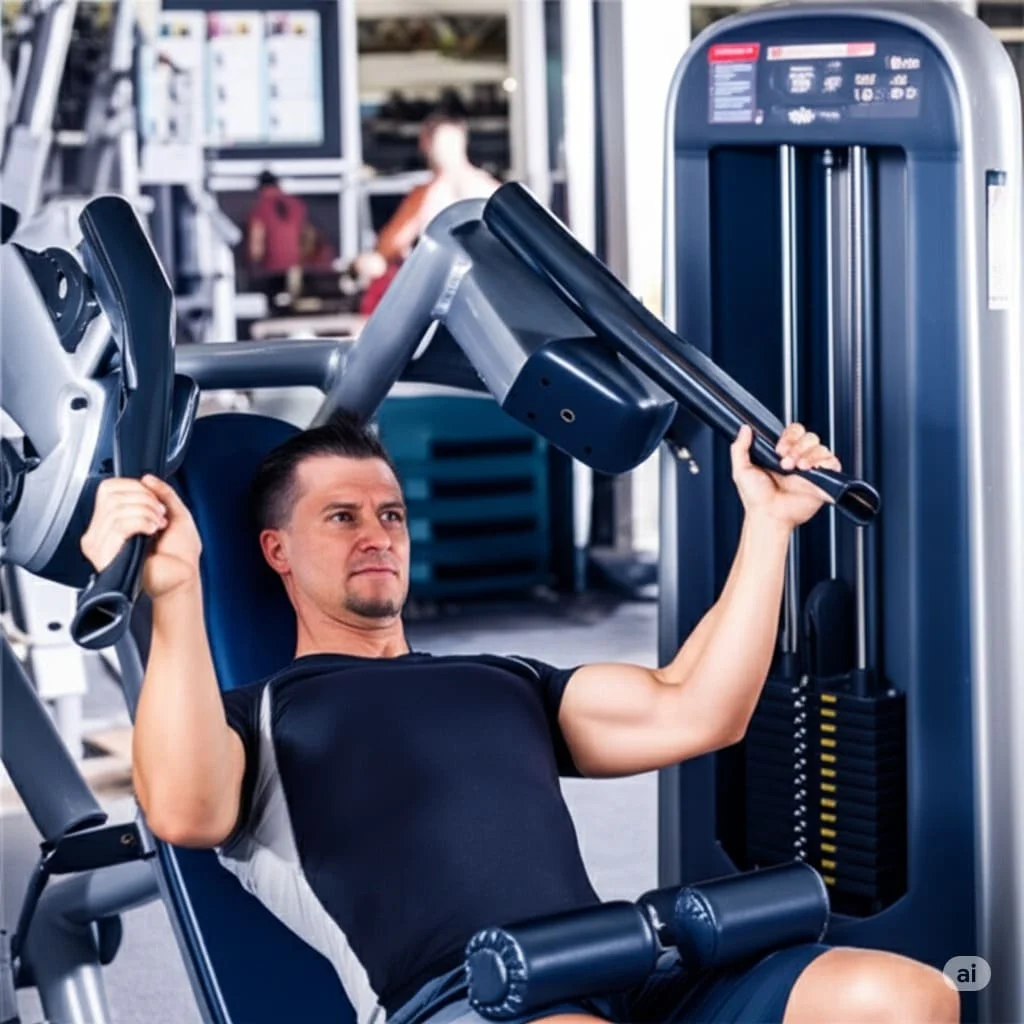
The debate between machines and free weights misses the point. The best approach often uses both. I’ve seen elite athletes train on the very machines we build. They use them because machines offer unique advantages for stimulating muscle growth that free weights can’t always provide.
The Science of Building Muscle with Machines
The key to muscle growth (hypertrophy) is creating mechanical tension. Machines excel at this in three specific ways:
- Isolation9: A chest press machine, for example, is designed to isolate your pecs. You don’t have to spend energy stabilizing the weight, so you can focus all your effort on contracting the target muscle. This targeted work can lead to better muscle development.
- Constant Tension10: Unlike a dumbbell curl where the tension can decrease at the top of the movement, a cable system on a multi-station machine keeps the tension constant throughout the entire range of motion. This increased “time under tension” is a powerful stimulus for growth.
- Safety to Failure: Building muscle often requires pushing sets close to failure. Machines allow you to do this safely without a spotter. You can push that last rep to the limit, knowing you can just let the weight stack go if you can’t complete it. This confidence allows for greater intensity.
Conclusion
A premium multi-station machine is a product of intentional design, precision engineering, and brutal testing. Knowing this process empowers you to choose equipment that delivers true value and safety.
-
Exploring the advantages of full-body workouts can enhance your fitness routine and maximize your gym experience. ↩
-
Explore this link to understand how CAD enhances design accuracy and efficiency in engineering projects. ↩
-
Discover the advantages of using laser cutting technology for precision and quality in manufacturing. ↩
-
Explore how robotic welding arms enhance precision and efficiency in manufacturing processes. ↩
-
Learn about the advantages of precision stamping and forming machines in creating high-quality components. ↩
-
Understanding Load-Bearing Tests can help you choose safer and more reliable gym equipment. ↩
-
Learn about Durability and Cycle Tests to ensure your gym equipment can withstand heavy use over time. ↩
-
Understanding the inspection process ensures you choose high-quality gym equipment that meets safety and performance standards. ↩
-
Exploring this link will deepen your understanding of how isolation exercises can enhance muscle development. ↩
-
This resource will explain the significance of constant tension in maximizing your workout effectiveness. ↩