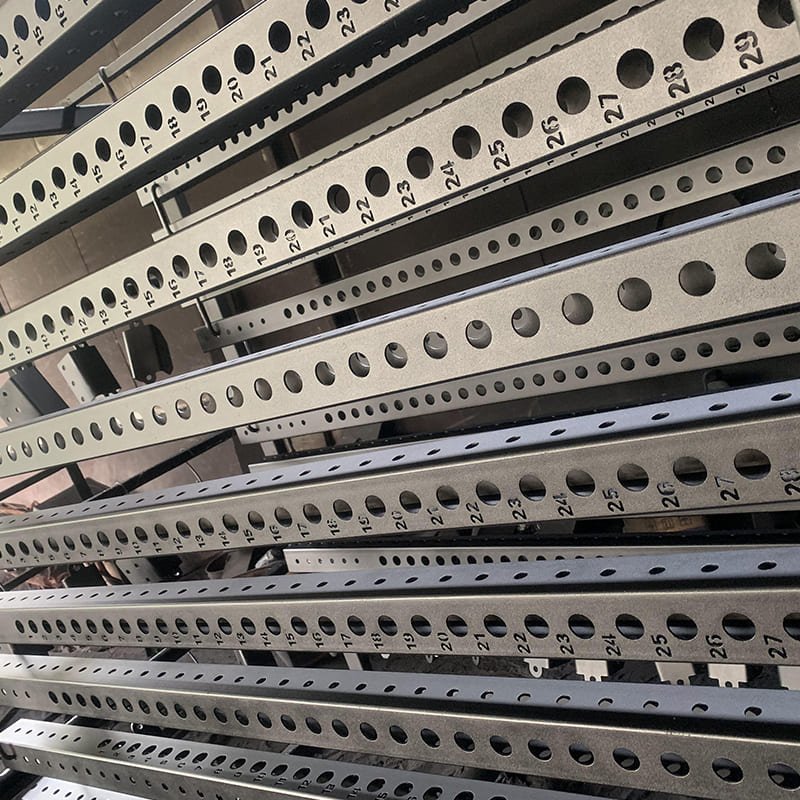

To the casual gym-goer, a strength machine is defined by its function—a leg press, a lat pulldown, a chest press. But for a gym owner, procurement manager, or brand executive, the most critical component is the one most often overlooked: its frame.
The frame is the skeleton of the machine. It is the foundation of its safety, durability, and the user’s perception of quality. In a high-traffic commercial environment, a weak or poorly constructed frame will quickly lead to instability, wear, and ultimately, failure. This not only puts your members at risk but also damages your brand’s reputation and leads to costly replacements.
Not all steel is created equal, and not all frames are built to last. Here’s what you need to look for to ensure you are investing in equipment with a strong, reliable backbone.
1. The Steel Grade: The DNA of Strength (e.g., Q235 vs. Q345)
The single most important attribute of a frame is the grade of steel used. For most commercial equipment, this comes down to two primary standards: Q235 and Q345.
- Q235 Steel: This is a common carbon structural steel and is considered the industry baseline. With a yield strength of approximately 235 Megapascals (MPa), it is adequate for light commercial or home-use applications.
- Q345 Steel: This is a high-strength, low-alloy steel. Its designation signifies a minimum yield strength of 345 MPa. This means it can withstand significantly more stress before it begins to deform.
For a premium commercial facility, insisting on Q345 steel is non-negotiable. The higher yield strength translates directly into a frame that is more rigid, more durable, and far more resistant to flexing and wobbling under heavy loads. It is the defining characteristic of a truly professional-grade machine built for years of relentless use.
2. Tube Wall Thickness: The Measure of Endurance
Two machines can have frames with the same outer dimensions, but vastly different levels of durability. The secret lies in the wall thickness of the steel tubing. This is typically measured in millimeters (mm).
- Below 2.0mm: Unsuitable for any commercial application.
- 2.0mm: Often found in lower-cost, light-commercial equipment. It may suffice for low-traffic environments but lacks the substantial feel and long-term durability required for a busy gym.
- 3.0mm: This is the gold standard for premium commercial strength equipment. A 3mm wall thickness provides excellent rigidity, a planted and stable feel during use, and the structural integrity to withstand the repetitive, heavy-use cycles of a commercial setting.
- 4.0mm+: Reserved for the most heavy-duty applications, such as power racks and plate-loaded machines designed for extreme loads.
A machine built with 3mm tubing will not only last longer but will also feel more secure to the user, enhancing their confidence and the perceived quality of your facility.
3. Tube Shape and Dimension: Engineering for Stability and Ergonomics
The geometry of the tubing is not just for aesthetics; it is engineered for a specific purpose. You will typically see two primary shapes in a machine’s frame:
- Square/Rectangular Tubing (e.g., 50x50mm, 50x100mm): This is the workhorse of the main frame structure. A square profile provides superior torsional rigidity, meaning it strongly resists twisting forces. This is crucial for maintaining the machine’s stability and ensuring a consistent and safe movement path.
- Round Tubing (e.g., 25-50mm diameter): While less resistant to twisting, round tubes offer superior ergonomics for any part of the machine a user will grip. Their shape fits naturally in the hand, providing a comfortable and secure connection point for handles, grips, and adjustment levers.
A well-designed machine strategically uses both—square tubing for the immovable frame and round tubing for the interactive elements.
4. Weld Quality: The Seams That Hold It All Together
The world’s best steel is useless if it’s poorly joined. The quality of the welds is a direct indicator of manufacturing precision and a critical factor in the frame’s overall strength.
What to look for:
- Weld Penetration: A proper weld fuses the metal pieces together, it doesn’t just sit on the surface. Deep, consistent penetration is essential for structural integrity.
- Consistency and Smoothness: Look for clean, uniform “beads” along the weld line. Sloppy, uneven, or pockmarked welds are a sign of rushed, low-quality production. Premium manufacturers often use robotic welding for key structural joints to ensure flawless consistency and strength.
- No Gaps: All joints should be fully welded and sealed. Any gaps can allow moisture to enter, leading to internal rust and eventual structural failure.
5. The Finish: Armor Against Wear and Tear
The final piece of the puzzle is the frame’s protective coating. In a commercial gym, a frame is constantly exposed to sweat, cleaning chemicals, and impact. A high-quality finish is essential for longevity and appearance.
The industry standard for premium equipment is an electrostatic powder coating1. This process involves applying a dry powder to a grounded steel frame, then baking it in an oven. This creates a hard, durable, and corrosion-resistant shell that is vastly superior to simple paint. A dual-layer powder coat2 (primer + top coat) offers even greater protection against rust and chipping.
Conclusion: Your Frame is Your Foundation
When evaluating a potential equipment partner, don’t be afraid to ask the tough questions. What grade of steel do you use? What is the wall thickness of the tubing? Can I see close-up images of your welds?
A manufacturer who welcomes these questions is one who is confident in their quality. The frame of a strength machine is not a feature you can upgrade later. It is the machine’s very essence. Investing in superior frame construction is a direct investment in your facility’s safety, your members’ satisfaction, and your brand’s long-term success.
Demand a higher standard for your equipment’s framework. Contact our engineering team to review the detailed specifications that set our commercial strength lines apart.