Feeling confused by the different barbells at the gym? Using the wrong one can hurt your progress and even cause injury. Let’s clear up which bar is best for you.
The right barbell depends on your goals. Use a powerlifting barbell for maximum strength in squats, bench presses, and deadlifts. Choose an Olympic barbell for explosive, dynamic movements like the snatch and clean & jerk, which require flexibility and speed.
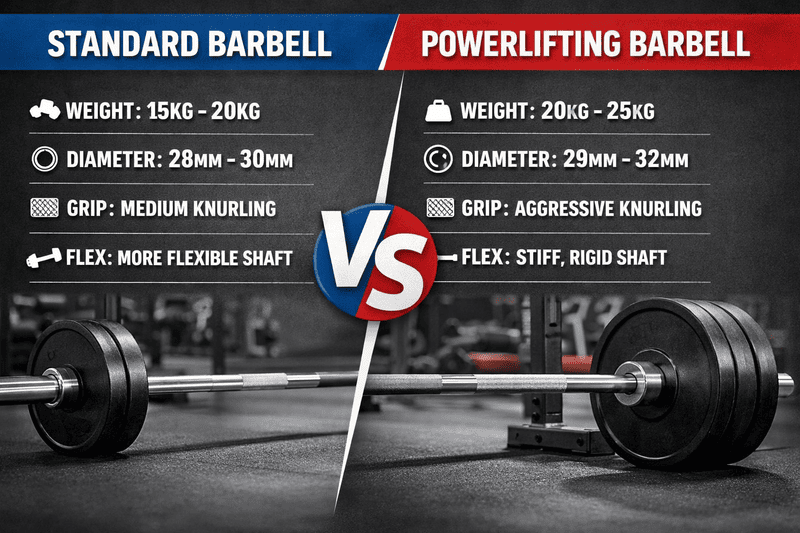
Choosing the right tool for the job is critical for success in any field, and lifting is no exception. While they might look similar to the untrained eye, the small differences between these bars have a huge impact on your safety and performance. Let’s dive deeper into what makes each barbell unique, so you can walk into the gym with confidence and pick the perfect bar for your workout.
What is the difference between an Olympic barbell and a powerlifting barbell?
You want to lift heavy, but the bars look almost the same. Picking the wrong one can make a lift feel awkward or unstable. It’s time to understand the key differences.
An Olympic barbell is thinner, more flexible (whip), and has fast-spinning sleeves for explosive lifts. A powerlifting barbell is thicker, stiffer, and has slower-spinning sleeves for maximum stability during heavy, slow lifts like the squat, bench, and deadlift.
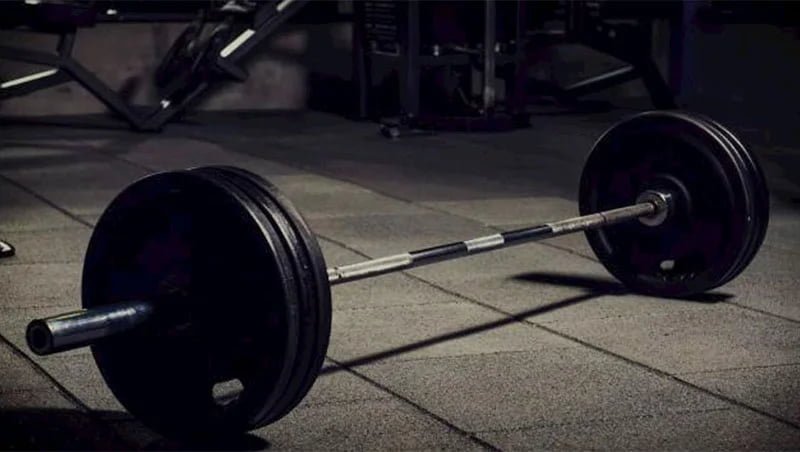
The design of each barbell is highly specialized for its sport. As a manufacturer, I see these details every day. An Olympic bar needs “whip” or flex. This elasticity helps the lifter use momentum during the clean & jerk. The smooth, fast spin from its needle bearings prevents torque on your wrists. Powerlifting bars are the opposite. They are rigid and unforgiving because stability is everything under a max-load squat. Their aggressive knurling and minimal spin from bushings ensure the bar stays put in your hands and on your back.
Here’s a simple breakdown:
| Feature | Powerlifting Barbell | Olympic Barbell |
|---|---|---|
| Main Use | Squat, Bench Press, Deadlift | Snatch, Clean & Jerk |
| Bar Diameter | Thicker (29mm) | Thinner (28mm for men) |
| Flexibility | Stiff (very little whip) | Flexible (good whip) |
| Knurling | Aggressive and deep | Medium and less sharp |
| Sleeve Rotation | Slow and stable (bushings) | Fast and smooth (bearings) |
Is Olympic lifting better than powerlifting?
Are you wondering which lifting style will give you the best results? It’s a common question, but one style isn’t simply “better.” The answer depends entirely on what you want to achieve.
Neither is “better”; they just have different goals. Olympic lifting is best for developing explosive power, speed, and full-body coordination. Powerlifting is best for building pure, maximal strength in three specific lifts. Your choice depends on your personal fitness goals.
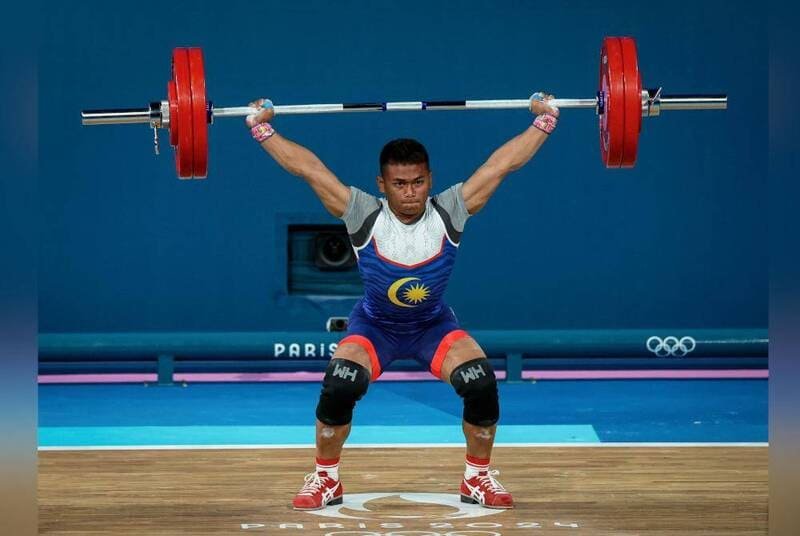
Think of it like comparing a sprinter to a marathon runner. Both are elite athletes, but they train for different outcomes. As someone who makes equipment for both, I see the different demands firsthand.
Training for Power vs. Strength
Olympic weightlifting is about power, which is strength applied at speed. The snatch and clean & jerk are fast, athletic movements that test your timing, mobility, and coordination from head to toe. It makes you a more explosive athlete overall.
Powerlifting is about pure, raw strength. The goal is simple: lift the most weight possible in the squat, bench press, and deadlift. It is the ultimate test of limit strength. The movements are slower and more controlled. It builds a dense, powerful physique focused on moving immense loads. So, the “better” discipline is the one that aligns with what you want to become: an explosive athlete or a master of raw strength.
What is the difference between an Olympic barbell and a normal barbell?
You see a bar in a commercial gym and assume it’s an Olympic bar. But using this “normal” bar for serious lifting can be limiting. It’s often a poor-quality imitation that holds you back.
A true Olympic barbell has precise specifications: a 28mm shaft, specific whip, and high-quality bearings for spin. A “normal” gym barbell might fit Olympic plates but often lacks the quality, proper spin, and strength rating of a true Olympic or powerlifting bar.
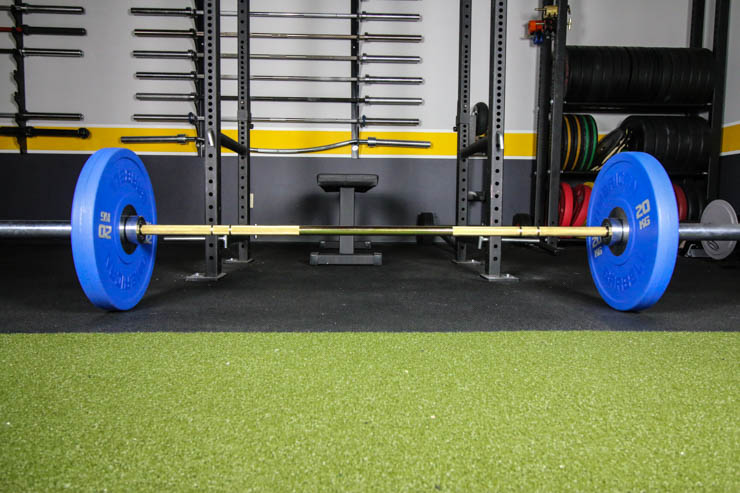
In my factories, we focus on high-end specialty bars. The difference is in the details you can’t always see.
Material and Construction Matter
A “normal” or general-purpose gym bar is a jack-of-all-trades, master-of-none. It’s designed to simply hold weight plates. It might have the 50mm (2-inch) sleeves of an Olympic bar, but that’s where the similarity ends. The steel is often weaker, with a low PSI rating, meaning it can bend permanently under heavy loads. The knurling can be passive and inconsistent, and the sleeves might barely spin at all.
A true Olympic bar, on the other hand, is built for performance. It uses high-strength steel (190K+ PSI) for that perfect whip, features precise knurling, and has high-speed bearings. A real power bar uses even stronger steel for rigidity. A “normal” bar is okay for general fitness, but for serious lifting, you need the real thing.
Can you use a power bar for Olympic lifts?
You just want to do a few cleans, and the only bar available is a stiff power bar. It seems fine, but this can be a bad idea. It makes the lift harder and increases your risk of injury.
Technically you can, but you absolutely shouldn’t. Using a stiff power bar for explosive Olympic lifts kills the bar’s helpful whip and the lack of sleeve spin puts dangerous torque on your wrists, elbows, and shoulders. It makes the lifts inefficient and unsafe.
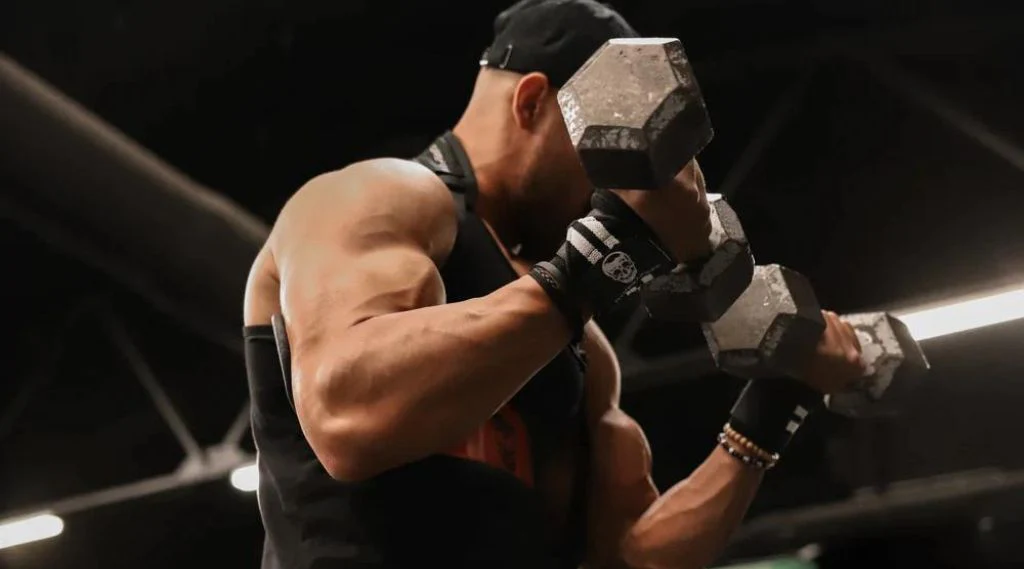
Imagine trying to jump on a trampoline made of concrete. That’s what it feels like to catch a clean with a power bar. I’ve seen athletes try this, and it never looks good. The entire point of an Olympic bar’s design is to facilitate the lift.
Why It Doesn’t Work
First, the whip is gone. The flex of an Olympic bar helps you spring out of the bottom of a clean. A power bar is dead stiff, so all the force slams directly into your joints. Second, the spin is gone. As you move under the bar, the sleeves must rotate freely. On a power bar, they don’t. This means the rotational force travels up your arms into your wrists and elbows, which is a recipe for tendonitis or worse. Finally, the aggressive knurling on a power bar is designed for a static grip, not for the dynamic hand adjustments in a snatch. It will tear your hands up. Always match the bar to the lift.
Why do Olympic weightlifters not bench press?
You might think every strong person should bench press. But if you look at Olympic weightlifters, you’ll see it’s rarely part of their main program. There’s a very specific reason for this.
Olympic weightlifters don’t compete in the bench press, so they don’t prioritize it. Their training is highly specific to the snatch and clean & jerk. Over-developing the chest can create muscle imbalances that hinder the overhead stability required for their sport.
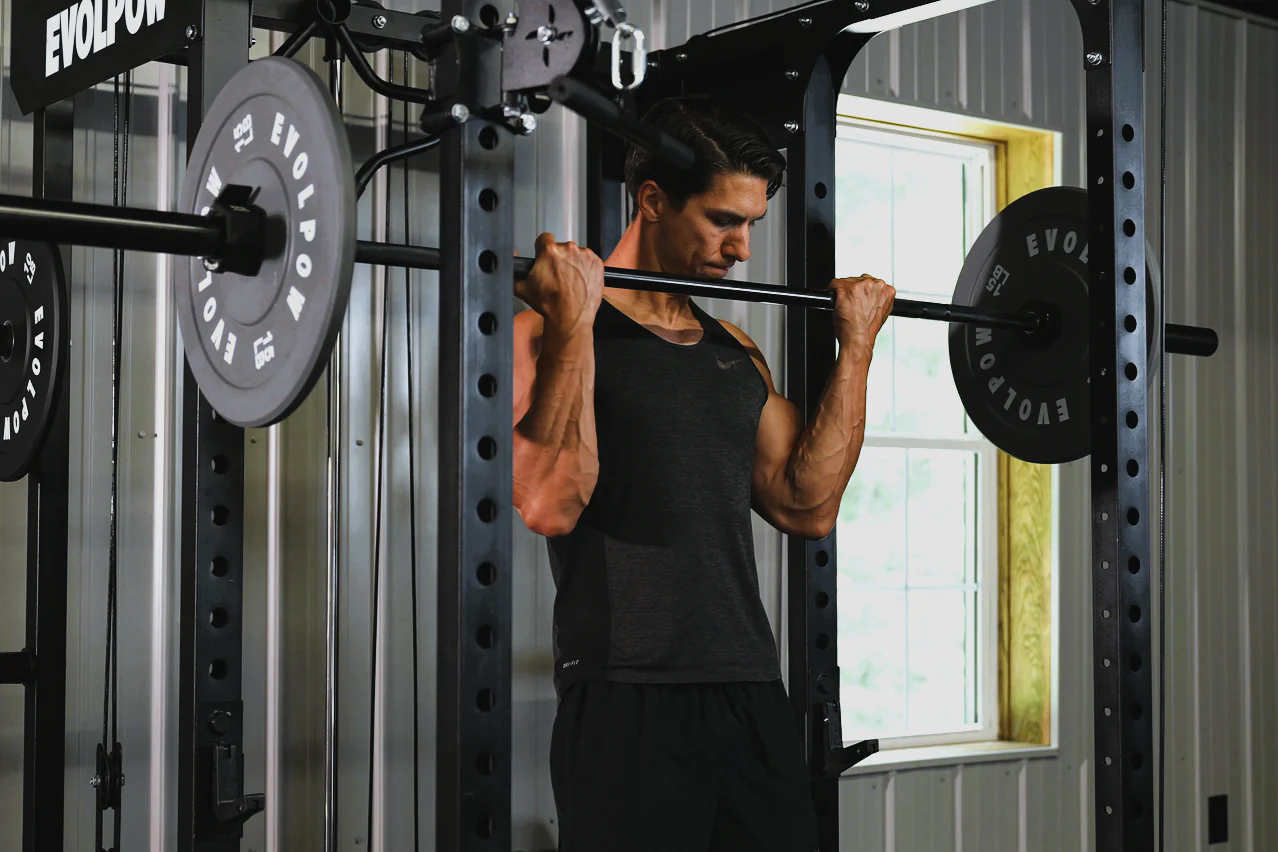
The principle of specificity rules in elite sports. You get good at what you practice. Since the goal is to lift the most weight overhead, every exercise is chosen to support that goal. The bench press is a great strength builder, but it doesn’t directly help you lock out a heavy snatch.
Specificity and Muscle Balance
In my experience providing equipment to top-tier gyms, I’ve learned that elite training is about efficiency. Olympic lifters need massive strength in their legs, back, and shoulders. They especially need a strong upper back to support overhead loads. The bench press primarily builds the chest and front deltoids. Over-focusing on these muscles can pull the shoulders forward, creating a postural imbalance that makes a stable overhead position difficult and dangerous. While some may use it as a minor accessory exercise in the off-season, it’s not a key part of their preparation for competition.
Do most gyms use Olympic barbells?
You walk into a typical gym and see rows of barbells. It’s easy to assume they are all proper Olympic bars. However, what most commercial gyms have is a bit different, and the distinction is important.
Most commercial gyms use general-purpose “Olympic-style” barbells. This means their sleeves are 2 inches in diameter to fit Olympic plates. However, they are not true IWF-spec Olympic lifting bars or IPF-spec power bars. They lack the specialized whip, spin, or rigidity.
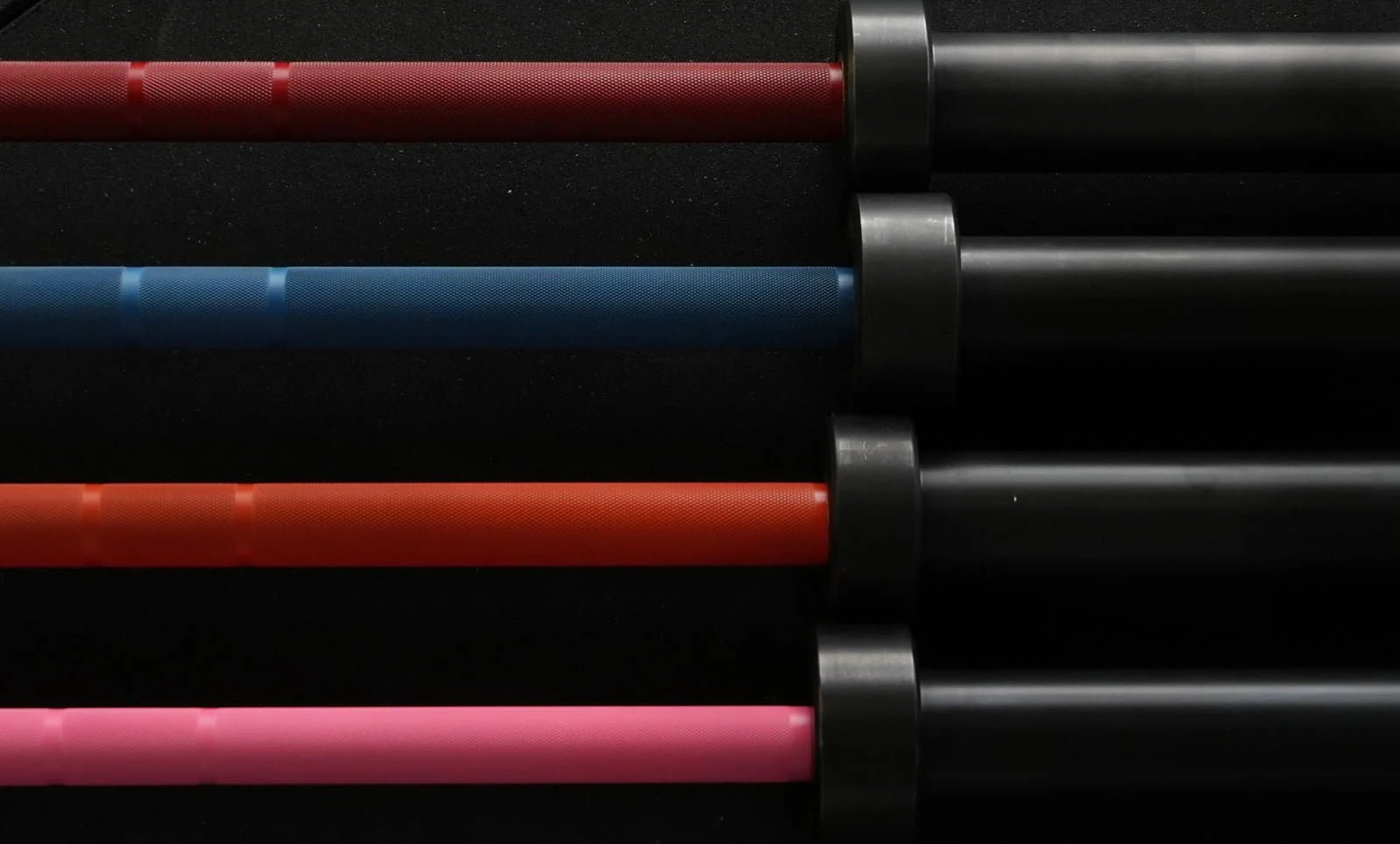
When a client like a premium gym chain orders from me, they are often looking for durable, all-around bars that can withstand abuse from a wide range of users. These are different from the high-performance, specialized bars we make for competitive athletes.
General-Purpose vs. Specialized
The bars in most big-box gyms are workhorses. They are designed to be decent at everything but not excellent at anything. They have some spin, but not the fast, smooth rotation of a true weightlifting bar. They are somewhat stiff, but don’t have the extreme rigidity of a real power bar. This makes them safe for general training, from bicep curls to moderate-load squats. However, if you’re a serious lifter, this jack-of-all-trades bar will limit your potential. Specialized gyms, like CrossFit boxes, powerlifting gyms, or weightlifting clubs, will invest in the proper, specialized equipment because they know it’s essential for performance and safety.
What are the disadvantages of powerlifting?
Powerlifting is an incredible way to build raw strength. But chasing huge numbers on the platform isn’t without its risks and downsides. It’s important to be aware of the potential challenges.
The main disadvantages of powerlifting are the high risk of injury due to extreme loads, significant fatigue on the central nervous system (CNS), and a narrow focus on strength that can neglect other aspects of athleticism like mobility and cardio.
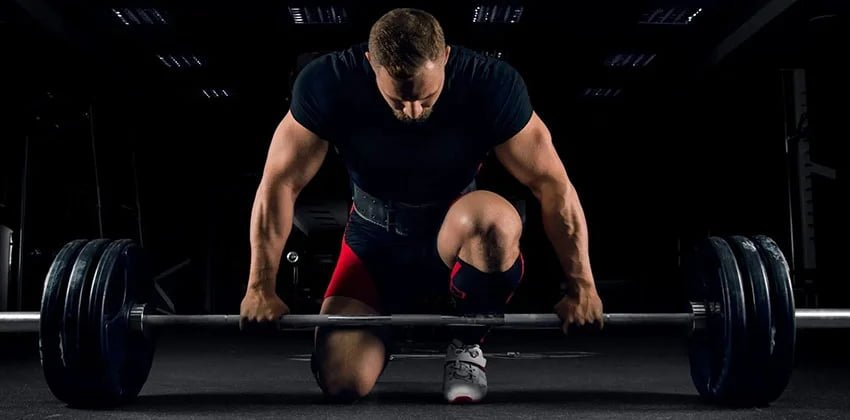
As a manufacturer of heavy-duty equipment, I know the forces these athletes handle. Our racks are tested to 1.5 times their rated load because the weights are serious, and so are the risks.
The True Cost of Strength
The first con is the injury risk. Moving maximal weights puts incredible stress on your joints, spine, and connective tissues. While good form is crucial, the potential for a bad lift or overuse injury is always there. Second is the CNS fatigue. Lifting at 90-100% of your max is neurologically exhausting. It can take days to recover from a heavy session, impacting your energy for other things. Finally, there’s the specificity trap. Powerlifting perfects three movements. If you don’t actively include other forms of training, you can become very strong in a limited range of motion, but lack cardiovascular health, flexibility, and overall athletic nimbleness.
Are powerlifters actually stronger than bodybuilders?
It’s an age-old gym debate: who is stronger, the massive bodybuilder or the powerhouse powerlifter? The question itself is tricky. It all comes down to how you define “strength.”
Yes, if “strength” is defined as the ability to lift the most weight for one repetition. Powerlifters train specifically for maximal strength in the squat, bench, and deadlift. Bodybuilders train for muscle size (hypertrophy), and while very strong, their goal isn’t one-rep max performance.
I’ve worked with brands that cater to both markets. Their needs are completely different, because their sports are different. One pursues a measurable performance metric, the other an aesthetic outcome.
Training for Performance vs. Appearance
A powerlifter’s entire program is designed around one thing: increasing their one-rep max (1RM). They use low reps, heavy weights, and long rest periods to build neuromuscular efficiency and raw force production. Their strength is their sport.
A bodybuilder’s goal is to build the most muscle mass possible with symmetry and definition. They typically use moderate weights for higher reps (e.g., 8-12) to maximize hypertrophy. This builds a lot of strength as a byproduct, and elite bodybuilders are incredibly strong. However, they are not practicing the skill of lifting a maximal single. So, when it comes to a 1RM test, a powerlifter of a similar size will almost always lift more. They are specialists in demonstrating strength.
What are the cons of Olympic weightlifting?
Olympic weightlifting is a beautiful display of power and grace. But the path to mastering the snatch and clean & jerk is steep and demanding. It’s not a sport you can just jump into casually.
The main cons are a very high technical barrier to entry, a significant risk of wrist and shoulder injuries if form is poor, and the need for exceptional mobility in the ankles, hips, and shoulders, which many adults lack.
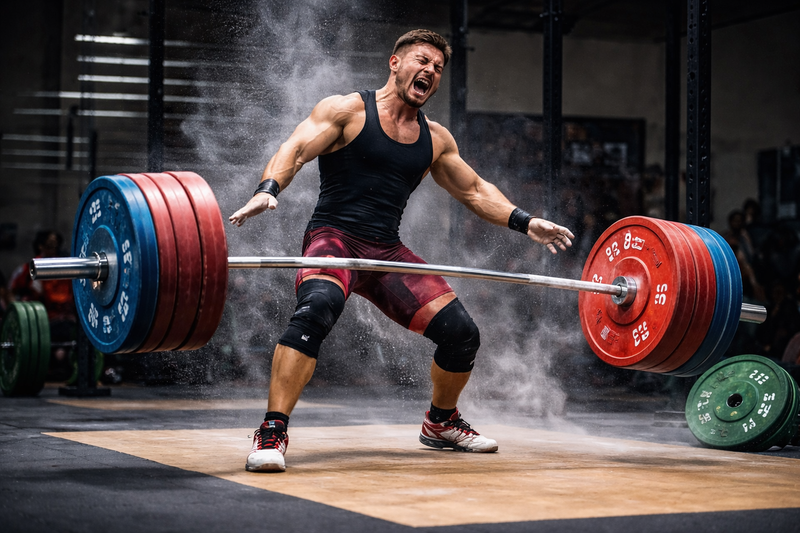
We design Olympic bars with incredible spin and whip specifically because the movements are so complex and unforgiving. The wrong equipment makes a hard sport even harder and more dangerous.
A Demanding Discipline
First, the technical skill required is immense. The snatch is arguably the most complex movement in all of sports. It takes years of dedicated coaching and practice to become proficient, which can be frustrating for beginners. Second, the mobility requirements are a huge barrier. To catch a snatch or clean in a deep squat requires amazing flexibility in your ankles, hips, and thoracic spine. Many people have to spend months on mobility work before they can even perform the lifts correctly. Finally, there’s the injury risk. The explosive, overhead nature of the lifts puts a lot of stress on the smaller joints like the wrists, as well as the shoulders and lower back. One small mistake in technique with a heavy load can lead to serious injury.
Conclusion
Choosing between a powerlifting and an Olympic barbell comes down to your training style. Pick the bar that matches your goals to maximize performance and ensure safety in every lift.