The butterfly machine, also known as the Pec Deck or Pec Fly machine, is a cornerstone of every premier fitness facility. It’s renowned for its ability to isolate and sculpt the pectoral muscles, offering a safe and effective alternative to free weights. For fitness brands, gym chains, and equipment distributors, selecting the right type of butterfly machine is not just a procurement decision—it’s a statement about your brand’s commitment to quality, user experience, and results.
However, the market is saturated with options, from basic models to highly specialized biomechanical units. Understanding the nuanced differences is crucial for making an investment that enhances your product portfolio and elevates your brand’s reputation.
As a leading OEM/ODM manufacturer with over a decade of experience serving elite European and North American markets, Redprofitness provides this expert guide to the six essential variations of the butterfly machine. This breakdown will empower you to make an informed decision that aligns with your brand’s standards of excellence.
1. The Standard Single-Function Pec Deck Machine
This is the classic, dedicated machine focused exclusively on the pectoral fly movement. Users sit facing the machine, grip the handles or press against the pads, and perform an adduction movement to target the inner chest.
- Primary Function: Exclusive chest isolation (pectoralis major).
- Target Environment: Commercial gyms where space and budget allow for dedicated, single-purpose equipment. It offers simplicity and intuitive use, making it a reliable workhorse.
- Manufacturing Insight: The engineering focus for this model is on a flawless, fixed-arc motion path and structural integrity. The pivot points must be perfectly aligned to provide a smooth, consistent squeeze at peak contraction without stressing the shoulder joint.

standard pec deck 2. The Dual-Function Pec Fly / Rear Delt Combo (The Commercial Standard)
This is arguably the most popular and commercially valuable variation. This versatile machine combines two essential exercises into a single footprint, delivering exceptional ROI for gym owners and a comprehensive workout for users.
- Pec Fly Mode: The user sits facing inward to train the chest.
- Rear Delt Fly Mode: The user adjusts the arms and sits facing outward to train the posterior deltoids and upper back muscles (rhomboids, trapezius).
Why it’s a must-have for premium brands: This design is highly sought-after in facilities like World Gym and Anytime Fitness because it addresses muscle imbalances. By training both the chest and the opposing back muscles, it helps users improve posture and correct the "rounded shoulders" common in modern lifestyles. For a brand, offering a well-engineered combo unit showcases an understanding of holistic fitness principles.

3. Pad Style vs. Handle Style: A Critical Design Choice
The user interface of a butterfly machine significantly impacts safety, comfort, and muscle activation. As an OEM/ODM partner, we help brands choose the design that best fits their target user demographic.
-
Pad/Elbow Style (Classic Pec Deck):
- Mechanism: Users place their forearms against large pads, keeping their elbows at a 90-degree angle.
- Benefits: This style is exceptionally safe for beginners as it minimizes stress on the shoulder and elbow joints. It forces a stronger inner-chest contraction by taking the forearms and grip strength out of the equation.
- Best For: General fitness populations, rehabilitation centers, and facilities prioritizing user safety.
-
Handle/Vertical Grip Style (Modern Pec Fly):
- Mechanism: Users grip vertical or multi-angle handles, mimicking a dumbbell fly.
- Benefits: This allows for a greater range of motion and a deeper stretch in the outer pectorals. It engages more stabilizing muscles and is often preferred by experienced lifters.
- Consideration: Requires precise engineering of the motion path and ergonomic handles to mitigate the risk of shoulder impingement if user form is compromised.

pin loaded fitness equipment rear deltpec 4. Selectorized (Weight Stack) vs. Plate-Loaded Machines
The resistance method is a key differentiator that defines the machine’s primary user base and placement within a facility.
-
Selectorized (Weight Stack): This is the industry standard for commercial gyms. A simple pin allows for quick and easy weight adjustments, making it accessible to all users.
- Premium Feature: Look for machines with an incremental add-on weight (e.g., 2.5 kg / 5 lb). This feature allows for micro-progressions, a critical detail for both beginners and advanced athletes looking to break through plateaus. At Redprofitness, this is a standard feature on our high-end lines.
-
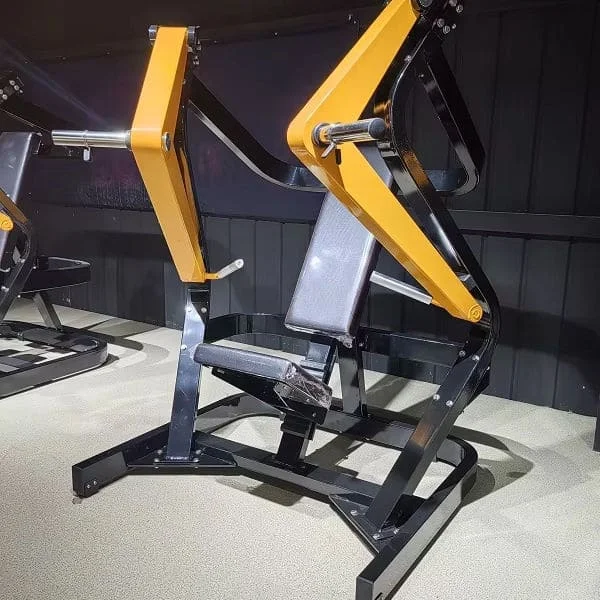
Plate-Loaded (e.g., ISO-Lateral Design): Favored by hardcore training facilities and performance centers, these machines, popularized by brands like Hammer Strength, require users to manually add weight plates.
- Key Advantage: They often feature independent, unilateral arms. This allows users to train each side of the body separately, correcting muscle imbalances and promoting symmetrical development. The biomechanics often provide a more natural strength curve that feels heavier through the middle of the movement.
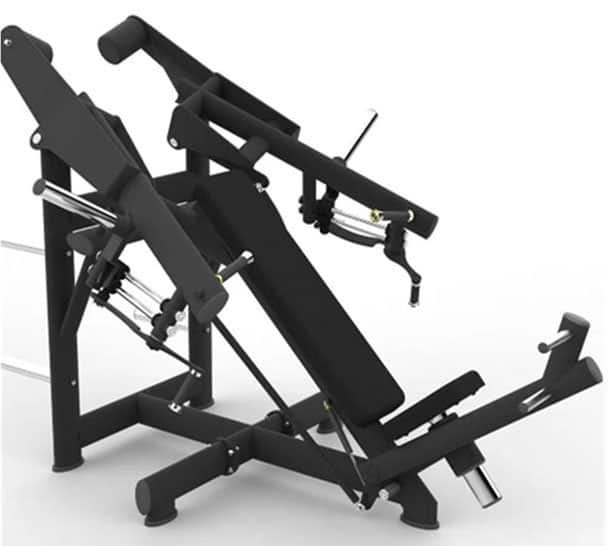
commercial incline chest press machine 5. Specialized Variants: Incline/Decline & Independent Arms
- Key Advantage: They often feature independent, unilateral arms. This allows users to train each side of the body separately, correcting muscle imbalances and promoting symmetrical development. The biomechanics often provide a more natural strength curve that feels heavier through the middle of the movement.
For brands looking to offer a truly top-tier and comprehensive strength line, specialized butterfly machines provide a powerful competitive advantage.
- Incline/Decline Versions: Feature an adjustable seat and back pad to change the angle of the press. This allows users to specifically target the upper (clavicular) or lower (sternocostal) portions of the chest, offering a level of specificity previously only possible with free weights or cables.
- Independent Arm Machines: Whether selectorized or plate-loaded, machines with fully independent arms are a hallmark of premium design. They demand greater core stability and prevent the user’s dominant side from compensating for the weaker one, leading to superior functional strength and muscle development.
6. Compact & Home-Use Multi-Function Models
While the commercial market is our focus, understanding the full landscape is key. Many brands also serve the high-end home gym or boutique studio market. Here, compact models that integrate butterfly arms with other functions (like a leg extension/curl or lat pulldown) provide a space-saving, all-in-one solution. The manufacturing challenge is to deliver robust functionality without compromising the biomechanical integrity of any single exercise.
Conclusion: Your Partner in Manufacturing Excellence
Choosing the right butterfly machine goes beyond a simple feature checklist. It’s about understanding the biomechanics, user ergonomics, and market demands that define a premium piece of equipment. The right machine feels smooth, provides constant tension, protects the joints, and delivers tangible results—qualities that users notice and associate with your brand.
At Redprofitness, we are more than just a supplier; we are your strategic manufacturing partner. With a decade of export experience to the discerning European and North American markets, our two specialized factories are dedicated to translating your brand’s vision into world-class fitness equipment. From custom engineering and material selection to precision manufacturing and global logistics, we provide an end-to-end OEM/ODM solution built on trust and uncompromising quality.
Elevate your equipment portfolio and deliver the excellence your customers demand.
[Contact Redprofitness today to discuss your next project and discover the difference a true manufacturing partner can make.]