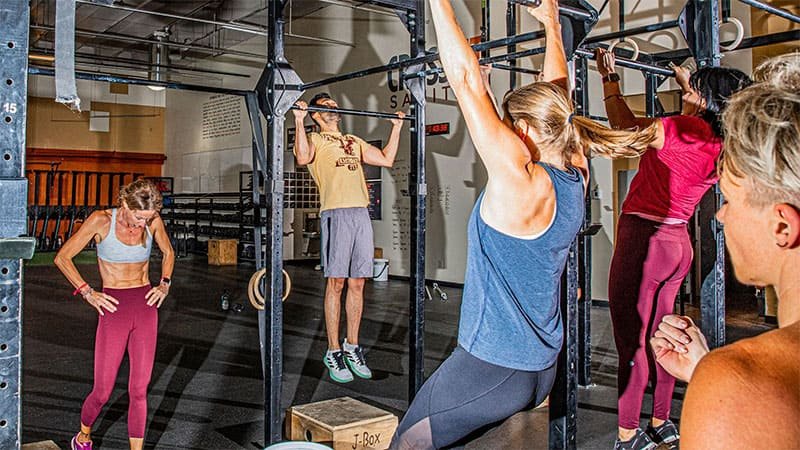

Launching a commercial gym in the competitive U.S. market is a significant undertaking, blending entrepreneurial vision with substantial capital investment. For premium brands, new ventures, and expanding chains, success hinges on strategic planning, a deep understanding of market dynamics, and most critically, a robust equipment procurement strategy. The quality of your equipment is not just a line item in your budget; it is the physical embodiment of your brand promise and the foundation of the member experience.
As a premier OEM/ODM manufacturer of high-end fitness equipment for global brands, Redprofitness provides this expert guide to navigate the complexities of launching a commercial gym in the USA, from initial costs to operational excellence.
1. Define Your Market Position: The Foundation of Your Business Model
Your gym’s identity dictates every subsequent decision, from facility size to equipment selection. Understanding the primary gym models in the U.S. market is the first step.
- Premium/High-End Clubs: Focus on luxury amenities1 (saunas, pools, premium personal training) and target high-income demographics. Equipment must be top-of-the-line, featuring the latest technology and superior biomechanics.
- Mid-Tier Commercial Gyms: The largest market segment, balancing comprehensive offerings with value. Durability, functionality, and a wide variety of equipment are key.
- Boutique/Specialty Studios (e.g., CrossFit, HIIT, Yoga): Focus on a specific training modality. Equipment is highly specialized and must withstand intense, specific use cases.
- 24/7 & Unmanned Gyms: Rely on smart technology2 (access control, security) and highly durable, low-maintenance equipment to minimize operational overhead. Brands like Anytime Fitness have proven this model’s scalability with over 4,000 U.S. locations.
Manufacturer’s Recommendation: Your market position directly informs your equipment procurement strategy. A high-end club cannot afford to compromise on quality, while a 24/7 model requires equipment engineered for maximum durability with minimal service needs. Align your equipment specifications with your brand promise from day one.
2. Decode Capital Expenditure: Facility, Build-Out, and Equipment Costs
Initial investment can be substantial. A clear understanding of the costs is vital.
| Gym Size | Typical Sq. Footage | Estimated Total Investment |
|---|---|---|
| Small Gym | 8,000 – 10,000 sq ft | $150,000 – $300,000 |
| Mid-Sized Gym | 15,000 – 20,000 sq ft | $400,000 – $700,000 |
| Large/Premium Club | 20,000+ sq ft | $800,000+ |
Build-Out & Renovation Costs:
This typically ranges from $10 to $40 per square foot, depending on the level of finish:
- Basic Finish: $10 – $15 / sq ft
- Mid-Range Finish: $13 – $20 / sq ft
- Premium Finish: $20 – $40 / sq ft
How much does it cost to buy all the equipment for a gym?
This is the single largest variable and your greatest opportunity for strategic investment.
- Small Gym: $50,000 – $100,000
- Mid-Sized Gym: $100,000 – $200,000
- Large/Premium Club: $200,000 – $500,000+
These figures represent costs when purchasing through domestic distributors. However, savvy brands are increasingly looking elsewhere to optimize this expenditure.
3. The Strategic Question: How Do Commercial Gyms Get Their Equipment?
While some gyms purchase from domestic brands like Life Fitness or Technogym, a growing number of successful chains and premium brands partner directly with high-end OEM/ODM manufacturers in Asia. This is no longer just a cost-saving measure; it is a strategic move to gain a competitive edge.
The OEM/ODM Advantage:
Directly partnering with a manufacturer like Redprofitness can unlock cost efficiencies of 20-40% on your equipment CapEx. This allows you to either significantly reduce your startup costs or reinvest those savings into a higher quantity or quality of equipment, directly enhancing your member value proposition.
Expert Insight: The most profitable gyms view equipment not as a one-time purchase, but as a strategic asset. By working with an OEM/ODM partner, you gain control over specifications (e.g., ensuring 3mm thick steel frames for durability), aesthetics (custom colors and branding), and the supply chain, building a fitness environment that is uniquely yours.
4. Navigating the Global Supply Chain: A Guide to Importing Equipment
Importing directly from a manufacturing partner like Redprofitness is a streamlined process when managed by experts. Here’s what’s involved:
- Supplier Vetting: We provide transparent access to our certifications (ISO 9001, CE, RoHS) and quality control processes, ensuring your equipment meets international standards.
- Product Specification: Our engineering team works with you to define exact specifications, from the biomechanics of a leg press to the console technology on a treadmill. We recommend commercial-grade standards for all equipment destined for high-traffic facilities.
- Logistics & Shipping: We manage the entire process, from factory to your port of choice. Sea freight is the most cost-effective solution (approx. 30-45 day transit time).
- Customs & Tariffs: This is a critical step where an experienced partner is invaluable. We ensure all documentation (Commercial Invoice, Bill of Lading, Certificate of Origin) is flawless. U.S. tariffs on fitness equipment (HS Code 9506.91.00) are typically around 6%, and we help you navigate these costs seamlessly. Hiring a customs broker ($150-$200 fee) is a best practice we facilitate.
- Quality Assurance: We welcome third-party inspections (e.g., SGS, QIMA) before shipment and provide sample testing to guarantee that every piece of equipment meets your brand’s stringent standards.
5. Ensuring Compliance: U.S. Regulatory and Legal Landscape
Operating in the U.S. requires strict adherence to federal and state regulations. A knowledgeable partner will manufacture equipment that is compliant from the start.
- Safety Standards: Electronic equipment must meet FCC Part 15 for radio frequency interference. All equipment should comply with CPSC (Consumer Product Safety Commission) guidelines.
- Chemical Compliance: For brands operating in or selling to California, Proposition 65 compliance is mandatory, requiring clear labeling for any listed chemicals.
- Intellectual Property: We ensure our designs are original and non-infringing, protecting you from patent and trademark disputes.
- Insurance: Your business will need General Liability Insurance. Crucially, your manufacturing partner should carry Product Liability Insurance to cover risks associated with equipment performance.
6. Building a Profitable Business: Is the Gym Business Profitable in the USA?
Yes, the U.S. gym market is a multi-billion dollar industry. Profitability, however, depends on operational excellence. A small gym owner’s income can vary widely, but gross profit margins for well-run gyms can range from 15% to 25%.
Key Drivers of Profitability:
- Member Retention3: High-quality, reliable, and engaging equipment directly impacts member satisfaction and reduces churn.
- Diverse Revenue Streams4: Augment membership fees ($10/month for budget models like Planet Fitness to $100+/month for premium clubs) with high-margin services like personal training ($50-$100/hour).
- Controlled Operating Costs: Durable, low-maintenance equipment minimizes repair costs and downtime, protecting your revenue stream.
Strategic Tip: The most profitable gym type is the one that best serves its niche. Whether it’s a high-volume budget gym or a high-margin boutique studio, success is built on delivering a superior experience. Your choice of equipment is central to that delivery.
Conclusion: Your Equipment Partner is Your Strategic Partner
Setting up a commercial gym in the USA is a journey that demands expertise at every turn. While facility choice and marketing are important, your equipment procurement strategy is the cornerstone of your brand’s success. It dictates your initial capital outlay, ongoing operational costs, member experience, and ultimately, your profitability.
Choosing to partner with a premier OEM/ODM manufacturer like Redprofitness transforms your supply chain from a cost center into a strategic advantage. You gain access to superior quality, significant cost efficiencies, and the ability to build a fully customized fitness environment that sets you apart from the competition.
Ready to build a world-class fitness facility with equipment engineered for excellence? Contact Redprofitness today to discuss your project with our B2B solutions team and learn how a direct manufacturing partnership can elevate your brand.
-
Exploring this link will reveal how luxury amenities enhance gym experiences and attract high-income clients. ↩
-
This resource will provide insights into how smart technology can streamline operations and enhance member experience in gyms. ↩
-
Explore this link to discover proven strategies that can enhance member satisfaction and loyalty, ultimately boosting your gym’s profitability. ↩
-
This resource will provide insights into innovative revenue strategies that can significantly increase your gym’s financial performance. ↩