Strength training is a cornerstone of physical fitness, enhancing muscle strength, endurance, and overall performance. This article aims to provide an in-depth examination of essential strength training equipment, covering their mechanics, how they function, and how to effectively integrate them into your workout routine.
Understanding Strength Training Equipment
What is Strength Training Equipment?
Strength training equipment includes any tool or device used to apply resistance to body movements. This can range from free weights, like dumbbells and barbells, to machines that guide motion, such as the Smith Machine or cable crosses. The effectiveness of each piece of equipment hinges on its design and the biomechanical principles it employs.
How Strength Training Equipment Works Mechanically
Mechanics in strength training involves lines of force, torque demands, and the angles at which muscles are activated. Two primary forces at play are:
- Resistance: This can be bodyweight or external weights, applied primarily through gravity.
- Muscle Tension: When muscles contract to overcome resistance, tension is created, which stimulates muscular adaptation and growth.
The angle at which you lift weights significantly impacts the muscles engaged. For instance, a bench press primarily activates the pectorals, while a squat engages the glutes and quads, thereby varying the effectiveness of the equipment based on user positioning and biomechanics.
Types of Strength Training Equipment
1. Barbells
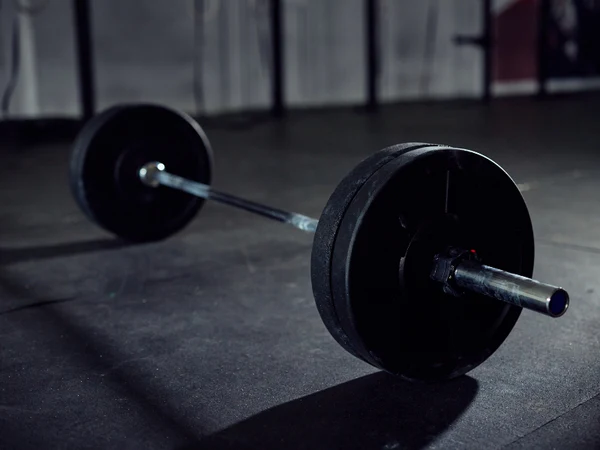
A barbell, a straight metal bar on which weight plates are added, is fundamental in strength training.
- Mechanical Function: The center of gravity is critical. The barbell’s length influences stability; a longer bar increases torque demands on the lifter’s body.
- Muscles Trained: From squats to deadlifts, barbells enable full-body training, focusing on compound movements that engage multiple muscle groups simultaneously.
2. Dumbbells
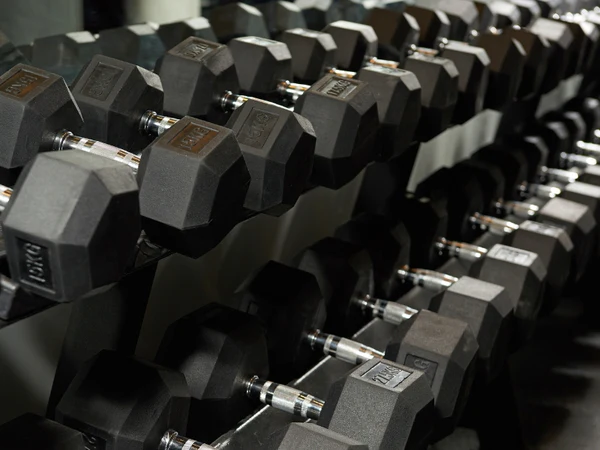
Dumbbells are shorter than barbells, and they come in various weights. They allow for a greater degree of movement.
- Mechanical Function: Dumbbells require less stabilization than barbells, but they allow for a greater range of motion due to their design.
- Muscles Trained: Ideal for isolation exercises, dumbbells focus on specific muscles, such as biceps curls, triceps extensions, or lateral raises.
3. Power Cages and Squat Racks
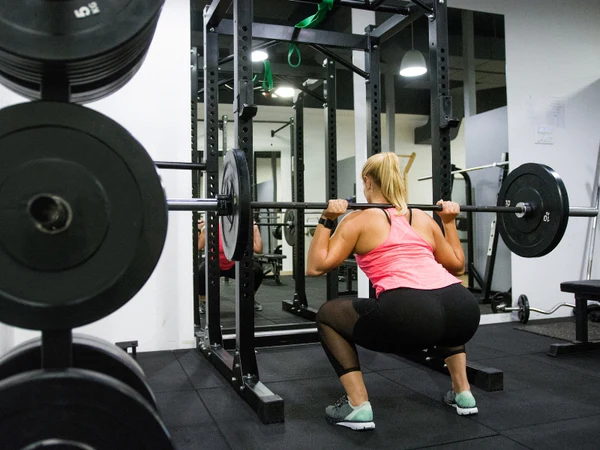
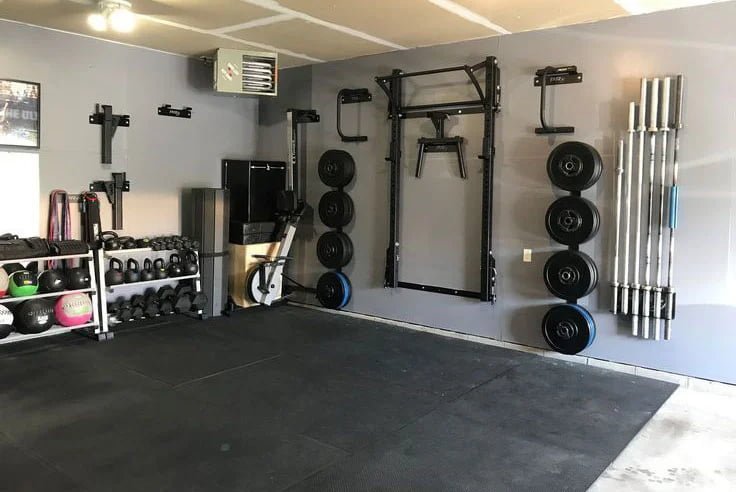
These devices provide a safe and structured environment for intense lifting, designed to catch the barbell if the lifter fails.
- Mechanical Function: With adjustable height settings, they can accommodate various exercises and lifters’ heights.
- Common Exercises: Back squats, bench presses, and overhead presses.
4. Machines (Smith, Leg Press, Lat Pulldown)
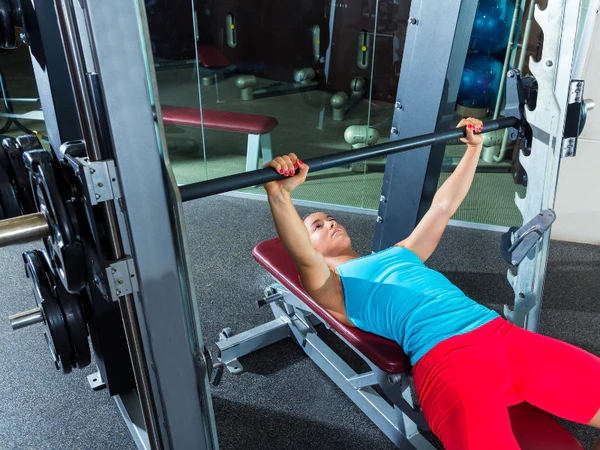
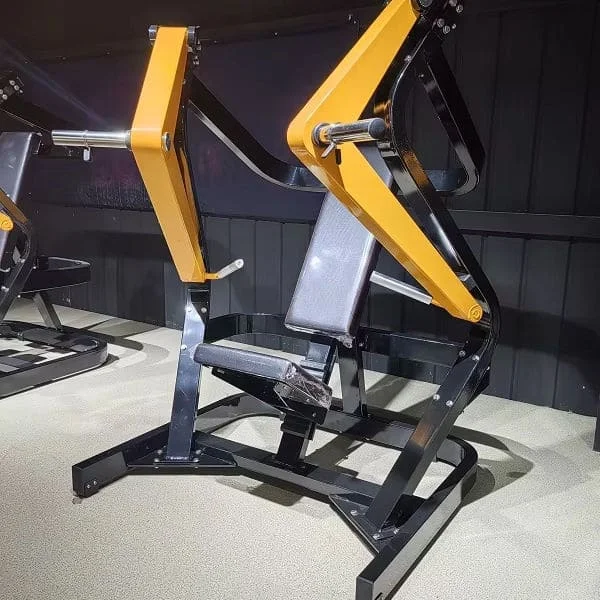
Strength training machines guide your movements and help to isolate specific muscles.
- Mechanical Function: Machines like the Smith machine allow for a fixed path of motion while providing some safety, making them ideal for beginners.
- Muscles Trained: Machines often target specific muscle groups, minimizing the involvement of stabilizing muscles.
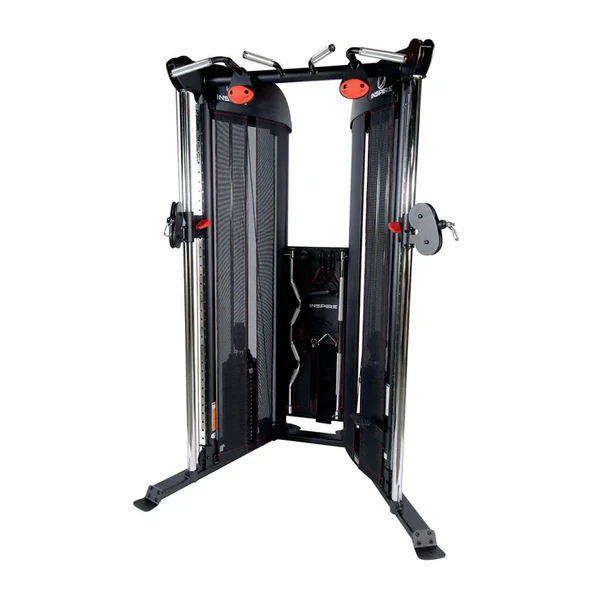
5. Functional Trainers