

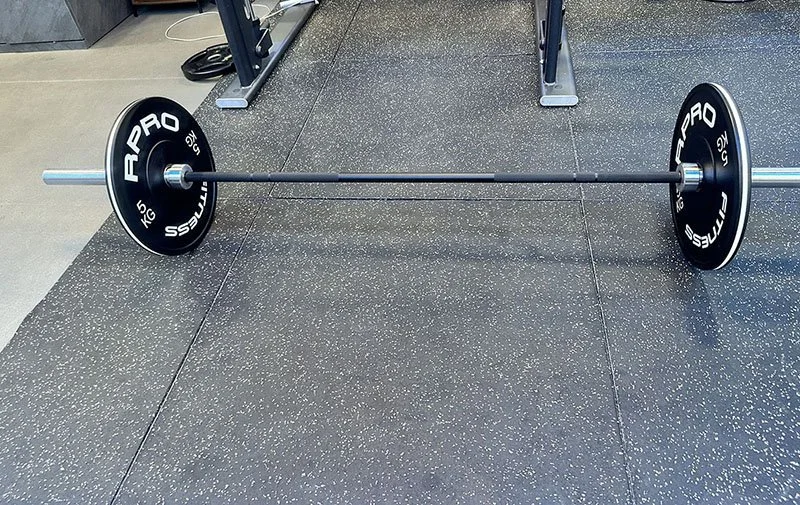

You see bright, colorful plates in high-end gyms and wonder what makes them special. You might think it’s just for looks, but using the wrong plates risks damaging your equipment and injuring your lifters.
These are called Competition Bumper Plates. They are made from solid rubber and color-coded by weight for one primary reason: to be safely dropped from overhead during Olympic lifts. Their design protects the lifter, the barbell, and the floor.

As a manufacturer of this exact equipment for top-tier brands, I know every detail that goes into making a world-class bumper plate. They are not just colored rubber; they are precision-engineered tools built for a very specific and demanding job. The color, the material, and the price all relate directly to their core purpose. Let’s break down exactly what that is and why it matters for your facility.
What are the colorful weights called?
You see lifters using red, blue, and yellow plates. Calling them “the colorful ones” is not clear. Knowing the right name helps you buy and use them correctly.
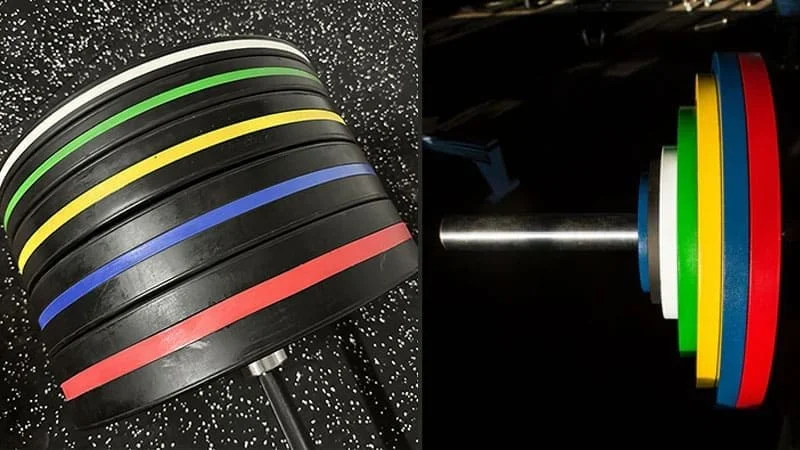
They are officially called “Competition Bumper Plates.” The colors are not random; they follow an international standard set by the IWF to signify specific weights, allowing for instant and accurate identification from anywhere in the gym.
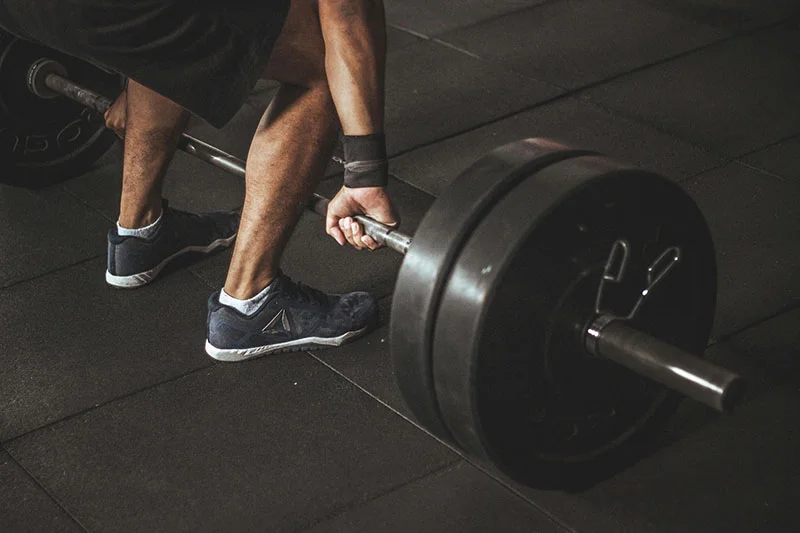
In the world of strength sports, these plates are known as Bumper Plates. The “bumper” part comes from their ability to be dropped without causing damage. The “Competition” tag means they are built to the highest standards of weight accuracy and durability. The color-coding is a universal language in weightlifting. It allows a coach, judge, or fellow athlete to know exactly how much weight is on the bar with just a glance. At RedPro Fitness, we follow the International Weightlifting Federation (IWF) standards precisely for our competition line.
Here is the standard color code:
| Color | Weight (Kilograms) | Weight (Pounds) |
|---|---|---|
| Red | 25 kg | 55 lb |
| Blue | 20 kg | 45 lb |
| Yellow | 15 kg | 35 lb |
| Green | 10 kg | 25 lb |
| White | 5 kg | 10 lb |
This system removes all guesswork. It increases safety and efficiency during training sessions and is absolutely essential for organized competitions. When we manufacture these plates, we ensure the color is vibrant and consistent so there is never any confusion.
Are rubber plates worth it?
You see the high price of rubber bumper plates and hesitate. You wonder if the extra cost compared to basic iron plates is really justified for your gym.
Yes, if your training includes Olympic lifting or CrossFit, rubber bumper plates are absolutely worth it. They are an investment in safety and equipment longevity that saves you money on broken bars and damaged floors.
Choosing between rubber and steel is about using the right tool for the right job. I make both, and they serve completely different purposes. Rubber bumper plates are designed to absorb impact. Steel plates are designed for maximum density. Think of it this way: bumper plates are for dropping, and steel plates are for heavy loading.
Here’s a direct comparison of their key features:
| Feature | Rubber Bumper Plates | Steel/Iron Plates |
|---|---|---|
| Primary Use | Olympic lifts, CrossFit (Snatch, Clean & Jerk) | Powerlifting, Bodybuilding (Squat, Bench, Deadlift) |
| Safety | Excellent. Designed to be dropped from overhead. | Poor. Cannot be dropped without risk of damage. |
| Durability | Absorbs impact, protecting the plate and bar. | Can crack or shatter if dropped. |
| Protection | Protects flooring and lifting platforms. | Damages flooring and platforms on impact. |
| Noise Level | Low. Produces a dull thud when dropped. | Extremely loud metal-on-metal clanging. |
| Thickness | Thicker, limiting total weight on the bar. | Very thin, allowing for maximum weight on the bar. |
For any client doing snatches, clean and jerks, or high-intensity WODs, bumper plates are not a luxury—they are essential equipment. The cost of replacing just one high-end barbell or repairing a damaged lifting platform far exceeds the price difference between rubber and iron plates. They are a necessary investment in a safe and functional training environment.
Why are rubber plates so expensive?
You see the price tag on a single competition bumper plate and get sticker shock. How can a piece of rubber cost so much? The price reflects a complex and precise manufacturing process.
The high cost comes from premium raw materials like virgin rubber, a solid steel core, and the precision manufacturing needed to ensure durability and exact weight calibration for competition standards.

When my team and I make a competition plate, we are not just molding simple rubber. We are creating a piece of performance equipment. The cost is broken down into four key areas:
-
High-Grade Material: We use high-density virgin rubber, not cheaper recycled crumb rubber. Virgin rubber provides a consistent, controlled bounce (a “dead blow”) and is far more durable. It resists cracking and degrading over thousands of drops.
-
Solid Steel Core: The center hub is the heart of the plate. Cheap plates have inserts that can loosen or pop out. We use a large steel disc that is chemically bonded and co-molded with the rubber. This ensures it stays locked in place, drop after drop.
-
Precision Manufacturing: Our molds are engineered to produce plates with exact diameters and thicknesses that meet IWF specifications. The vulcanization process, where the rubber is cured under intense heat and pressure, requires specialized machinery to ensure a flawless and durable final product.
-
Strict Calibration: This is a major cost for competition plates. After molding, each plate is weighed. To meet a strict tolerance of just +/- 10 grams, we often have to add calibration plugs on the back. This is a precise and time-consuming step that guarantees fair and accurate competition.
Can rubber plates be dropped?
You have these expensive rubber plates, but you’re still hesitant to let them hit the floor. You’ve heard stories about equipment breaking, so you’re unsure how much abuse they can really take.
Yes, absolutely. Dropping them is their entire purpose. Full rubber bumper plates are specifically engineered to be dropped repeatedly from overhead onto a proper lifting platform. It is how they are meant to be used.
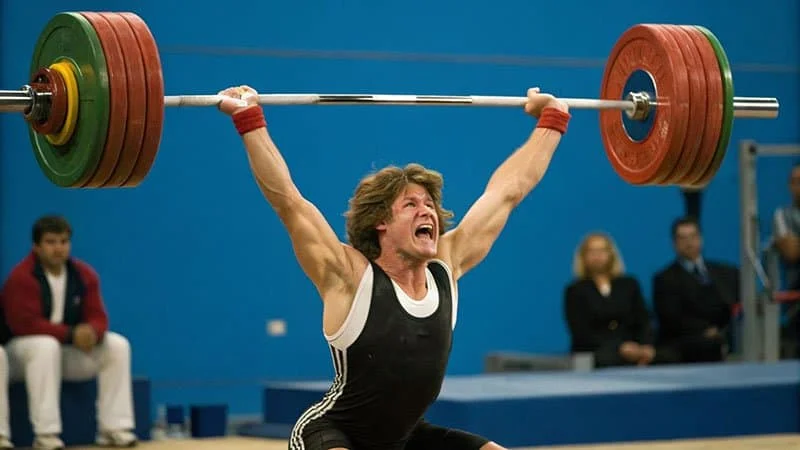
Let me be very clear: bumper plates are made to be dropped. This feature is what allows an athlete to attempt a maximum-effort snatch or clean and jerk without fear. If they fail the lift, they can let go of the bar, and the energy will be absorbed safely by the plates. The solid rubber construction disperses the force of impact, resulting in a controlled, low bounce and a dull thud. This protects the sensitive needle bearings inside the barbell sleeves, prevents damage to the lifting platform, and most importantly, keeps the lifter safe from an unpredictable bar bounce.
This comes with one condition: they should be dropped onto a surface designed for it, like a dedicated lifting platform or thick rubber gym flooring. Dropping them onto concrete or thin mats is not recommended. At RedPro Fitness, we put our plates through rigorous testing, including thousands of drops, to ensure they can withstand the intensity of daily use in elite training facilities. You can, and should, drop them.
Conclusion
Colored rubber competition plates are engineered tools for Olympic lifting and CrossFit. Their design allows for safe drops, protecting athletes and equipment. The cost reflects the quality materials and precision needed for performance.