

You see people lifting heavy iron, but do you know what’s truly happening inside their bodies? It’s not just about building big muscles; the changes are deep and transform your health.
Weightlifting fundamentally rebuilds your body. It increases lean muscle mass, boosts your metabolism to burn fat more efficiently, strengthens your bones to prevent injury, and improves how your nervous system controls movement. This leads to a stronger, leaner, and more resilient physique.

For years, I’ve manufactured professional-grade barbells and racks, and I’ve seen firsthand how the right training transforms people. It goes far beyond appearance. Weightlifting is a conversation between your muscles, your bones, and your brain. It triggers a cascade of amazing physiological responses that make you healthier from the inside out. Let’s break down exactly what happens when you start lifting.
Does lifting weights change your body shape?
Are you worried that lifting weights will make you look “bulky”? This is a common fear that stops many people from picking up a barbell in the first place.
Yes, lifting weights will dramatically change your body shape, but for the better. It builds lean muscle and burns fat, creating a more toned, firm, and athletic silhouette. You will become stronger and more compact, not necessarily bigger.

The idea of “bulkiness” comes from a misunderstanding of how the body works. Muscle is much denser than fat. This means that one pound of muscle takes up significantly less space than one pound of fat. When you lift weights, you are performing body recomposition: replacing fat with muscle. So, even if your weight on the scale stays the same or even increases slightly, you will look leaner, your clothes will fit better, and your body will be firmer. As a manufacturer, we design equipment like barbells and squat racks to support the big compound movements—squats, deadlifts, and presses—because these exercises are the most effective at building a balanced, strong, and aesthetically pleasing physique. You are sculpting your body, not just inflating it.
| Trait | Muscle | Fat |
|---|---|---|
| Density | High (Dense and compact) | Low (Soft and takes up more space) |
| Metabolism | Metabolically active (burns calories) | Metabolically inactive (stores energy) |
| Appearance | Creates a firm, toned, defined look | Creates a soft, less-defined look |
Can I lose belly fat by lifting weights?
Do you feel like you live on the treadmill but still can’t lose that stubborn belly fat? Many people believe that endless cardio is the only solution, but that’s not the whole story.
Yes, lifting weights is one of the most effective ways to lose belly fat. While you can’t target fat loss in one spot, weight training builds muscle, which raises your overall metabolism and turns your body into a more efficient, 24/7 fat-burning machine.

Here’s how it works. Your muscle tissue is metabolically active, meaning it requires energy just to exist. The more muscle you have, the higher your Basal Metabolic Rate (BMR) is. This is the number of calories your body burns at rest. By adding five pounds of muscle, you can burn an extra 200-300 calories per day without doing anything. Furthermore, intense weightlifting sessions produce an effect called “Excess Post-exercise Oxygen Consumption” (EPOC), or the afterburn effect. Your body has to work hard to repair the muscle fibers and restore itself, a process that continues to burn extra calories for up to 48 hours after your workout is over. This combined metabolic boost is far more powerful for long-term fat loss, including belly fat, than cardio alone.
Does weightlifting increase your body weight?
Have you started lifting weights, only to see the number on the scale go up? This can be incredibly frustrating and make you feel like you’re doing something wrong.
Yes, weightlifting can increase your body weight on the scale, but this is a sign of success. You are gaining dense, healthy muscle tissue, which weighs more than fat. Focus on how your clothes fit and how you look, not just the number on the scale.
This is where so many people get discouraged and quit. It’s crucial to understand that the scale only tells one part of the story. Because muscle is denser than fat, you can gain five pounds of muscle and lose five pounds of fat, and the scale won’t move at all. But in the mirror, you’ll look dramatically different—leaner, stronger, and more toned. This process is called body recomposition. It’s why I always tell my clients to use more than just the scale to track their progress. A quality barbell and a consistent training program are tools for building a better body, not just for manipulating a number on a scale. True progress is measured in strength gained, inches lost, and how you feel in your own skin.
| How to Track Real Progress | Why It’s Better Than the Scale |
|---|---|
| Progress Photos | Visually shows changes in body shape and definition. |
| Body Measurements | A smaller waist measurement with the same body weight is a huge win. |
| How Your Clothes Fit | The most practical and motivating indicator of fat loss. |
| Strength Gains | Lifting heavier is direct proof that your body is adapting and getting stronger. |
How long does it take to see results from weight lifting?
You’ve been training for a few weeks but don’t see a dramatic change yet. It’s easy to get frustrated and wonder if all your hard work is even paying off.
You will feel stronger within the first 2-4 weeks. However, visible changes in muscle size and fat loss typically become noticeable after about 8-12 weeks of consistent training and proper nutrition. Patience and consistency are everything.
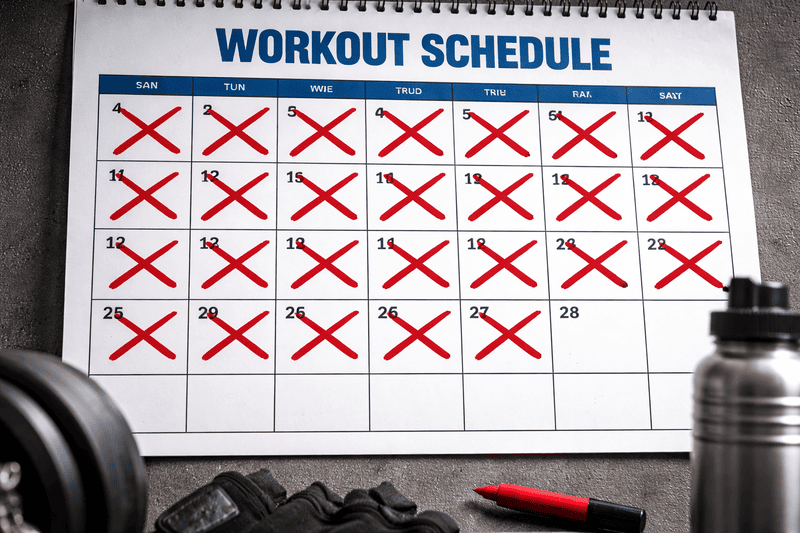
Results from weightlifting come in stages. The first gains you experience are neurological. In the first month, your brain gets much better and more efficient at recruiting your muscle fibers. This is why you get stronger so quickly at the beginning, even before your muscles have grown much. From there, actual muscle growth (hypertrophy) begins to take over. This is a slower biological process. If you are training consistently 3-4 times per week and eating enough protein, you will start to see noticeable physical changes around the two or three-month mark. This is a journey that builds on itself. The high-quality equipment we make is designed for this long-term journey. It’s an investment in a process that requires patience, but the rewards are well worth the wait. Don’t give up before the magic happens.
Conclusion
Weightlifting is a powerful tool for reshaping your body, boosting your metabolism, and building lasting strength. The changes go far beyond muscle, improving your overall health and confidence.