
You’re hitting the gym consistently, but your chest development has stalled. This is frustrating because your standard routine isn’t delivering the size or definition you want, making you feel like your effort is wasted. The secret is using the right equipment.
The best equipment for complete chest growth is a combination of free weights and machines. Barbells and dumbbells are unmatched for building mass and strength, while cable machines and pec-deck machines are superior for isolating the muscle and creating sharp definition.
Product managers like Sarah are always looking for that competitive edge. They know their customers want a well-developed chest, not just one that’s been built by a single, repetitive motion. The key is understanding how different pieces of equipment stress the muscle in unique ways. A truly effective chest workout isn’t about one magic machine; it’s about a smart combination of tools. As manufacturers, our job is to engineer each piece of equipment to be the best at its specific task, whether that’s handling immense weight or providing silky-smooth isolation.
Which Equipment Is Best for Building Chest Mass?
Want to build a bigger, stronger chest but not sure where to start? Focusing on the wrong exercises can seriously limit your growth and waste valuable time at the gym.
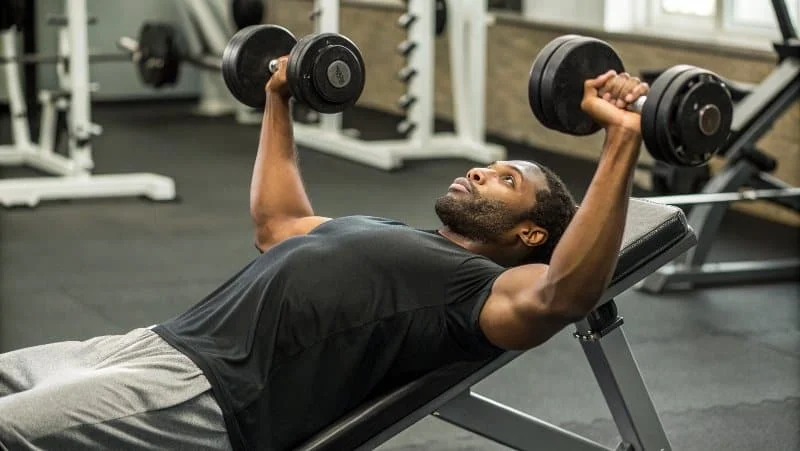
For building raw size and strength, nothing beats the barbell bench press. It lets you lift the heaviest possible weight, creating maximum overload across the chest. Dumbbells are a close second, offering a greater range of motion for more balanced muscle growth.
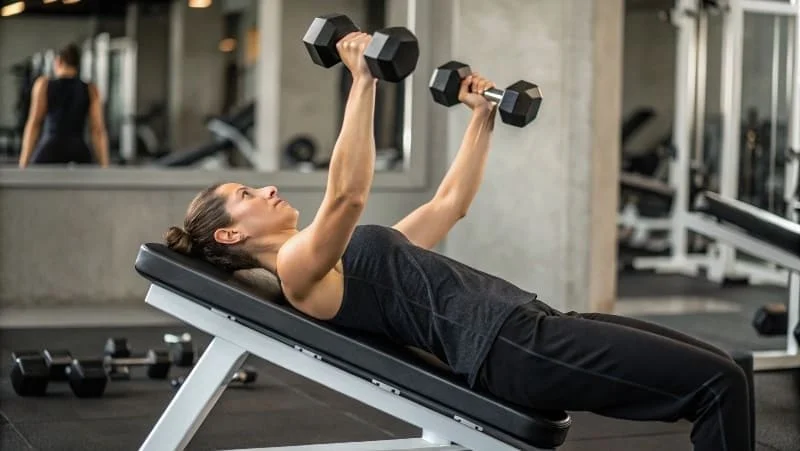
When we work with high-end gym chains, the barbell bench press station is always a centerpiece. It’s the gold standard for a reason. Its ability to be loaded with heavy weight makes it the king of compound movements for the upper body. We use ultra-high-strength steel for our barbells—often over 190K PSI—so they can handle these massive loads safely. However, dumbbells are just as critical. I remember a conversation with a product manager who wanted to target users who felt their chest development was uneven. The solution was emphasizing dumbbell work. Because each arm has to stabilize its own weight, dumbbells force smaller stabilizing muscles to fire, leading to more balanced and functional strength. They also allow for a deeper stretch at the bottom of the movement, which can lead to better muscle growth.
| Feature | Barbell Bench Press | Dumbbell Bench Press |
|---|---|---|
| Max Load | Highest | Lower than barbell |
| Stabilization | Less required | High demand |
| Range of Motion | Fixed path | Greater, more natural |
| Best For | Building raw strength & mass | Balanced development & activation |
Which Gym Machine Is Best for Chest Isolation?
Your chest workouts lack that defined, sculpted look. Heavy presses alone won’t always carve out the details you want, especially the line down the middle of your chest.
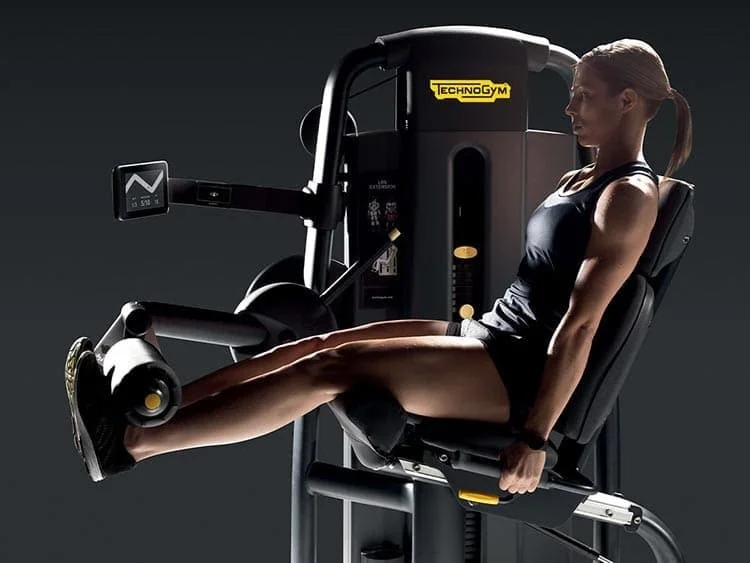
The Cable Machine is the most versatile for chest isolation, providing constant tension through the entire movement. The Pec-Deck Machine offers a guided path that is perfect for beginners or for safely burning out the chest muscles at the end of a workout.
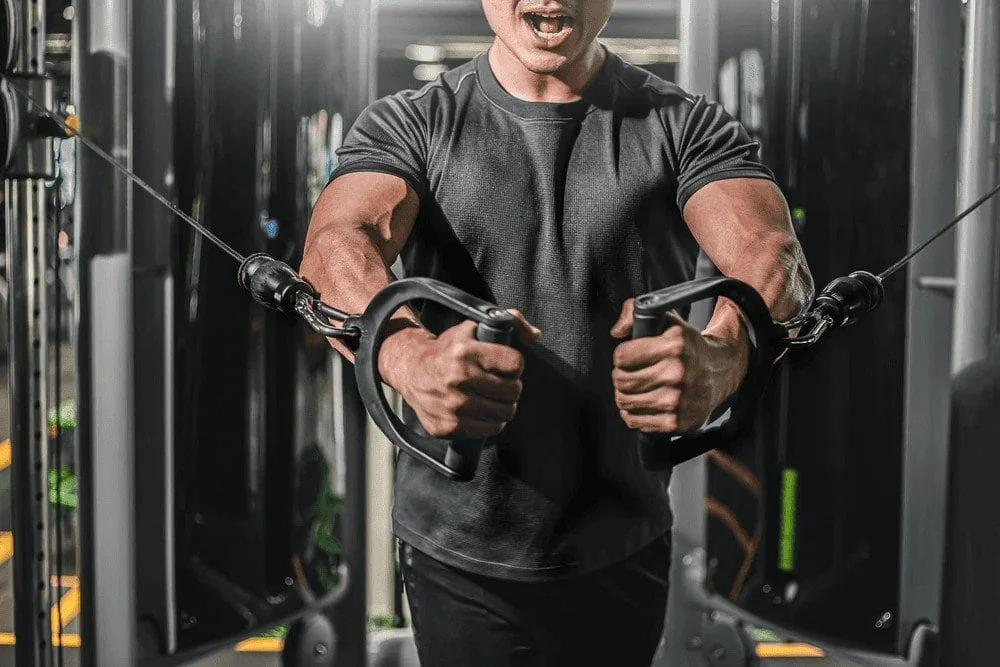
Free weights are fantastic, but their resistance curve is uneven. It’s heaviest in the middle of the lift and lighter at the top. This is where machines shine. Product managers often ask us how to create a machine that feels superior. For a cable machine, the secret is the pulley system. We use industrial-grade precision bearings to ensure a frictionless glide, which creates constant, uninterrupted tension on the muscle. This is what makes cable crossovers so effective for building the inner chest. The Pec-Deck Machine serves a different but equally important purpose. It provides a fixed movement path, which is incredibly safe and easy for beginners to learn. We focus heavily on the ergonomics of the arm pads and seat adjustments to ensure the force is placed on the chest, not the shoulder joint. It’s the perfect tool for finishing a workout with high-rep sets to pump the muscle full of blood.
What Workout Burns the Most Chest Fat?
You’re trying to reduce chest fat, but targeted exercises like flyes and push-ups aren’t working. This is incredibly frustrating because you might be building muscle that remains hidden under a layer of fat.
No single workout or machine specifically burns chest fat. Fat loss happens across the entire body, not just in one spot. The best method is combining compound strength training with a consistent calorie deficit to lower your overall body fat percentage.
The idea that you can “spot reduce” fat from one area of your body is one of the biggest myths in fitness. I’ve had many conversations with clients who want us to engineer a “fat-burning chest machine.” Unfortunately, it’s biologically impossible. Your body stores fat globally and loses it globally. So, what is the real solution? You need a two-part strategy. First, build more muscle everywhere. Large, compound exercises like barbell presses, squats, and deadlifts are the best tools for this because they burn a lot of calories and increase your metabolism. The more muscle you have, the more calories your body burns at rest. Second, you must maintain a calorie deficit through a combination of diet and cardiovascular exercise. Bodyweight exercises like dips are also fantastic because they are a compound movement that elevates your heart rate. When we manufacture dip stations, we focus on the grip diameter and structural stability so users feel secure while performing this powerful exercise.
What Workout Is Best for Complete Chest Development?
Your chest growth feels uneven, with your upper or lower chest lagging. Neglecting specific angles leaves your chest looking incomplete, no matter how hard you work on your bench press.
A complete chest workout starts with a heavy compound press for the middle chest. Then, it uses incline presses for the upper chest and dips or decline presses for the lower chest. The routine should finish with fly movements to isolate and define.
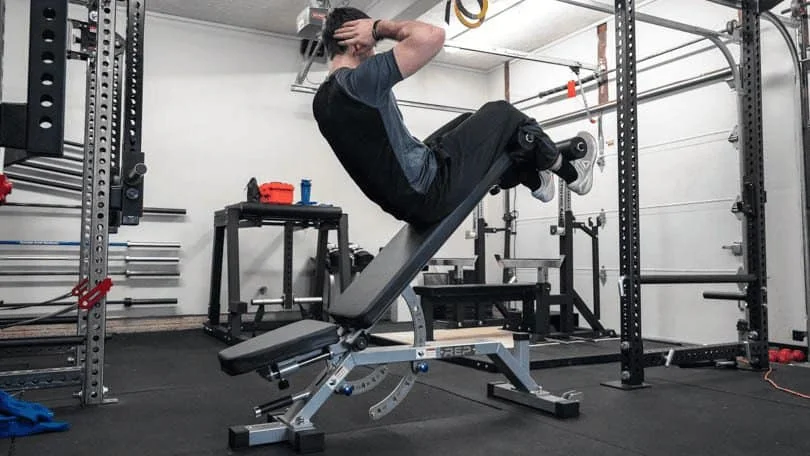
To build a truly three-dimensional chest, you have to think like an engineer and attack it from all angles. This is why we design our adjustable benches with precise angle settings. A 30-degree incline targets the upper clavicular fibers of the chest differently than a 45-degree angle. This precision matters. A well-rounded routine isn’t random; it’s structured. You should always start with your heaviest compound movement when you are fresh. From there, you move to targeted work on the other sections of the chest. Finally, you finish with an isolation exercise to create a deep pump and stimulate further growth. This approach ensures no part of the muscle is left behind.
A sample routine might look like this:
- Strength & Mass (Middle Chest): Barbell Flat Bench Press – 3 sets of 5-8 reps.
- Hypertrophy (Upper Chest): Incline Dumbbell Press – 3 sets of 8-12 reps.
- Hypertrophy (Lower Chest): Weighted Dips – 3 sets of 8-12 reps.
- Isolation (Finisher): Cable Crossovers – 3 sets of 12-15 reps.
Conclusion
For a well-developed chest, combine heavy barbell and dumbbell presses for mass with machine and cable flyes for isolation. Train at different angles to ensure your chest is complete and balanced.