
In a world of complex fitness trends, powerlifting stands apart with its brutal simplicity and laser-sharp focus: to become as strong as humanly possible. It is the ultimate test of raw, absolute strength, measured through three foundational movements. For gym owners and facility managers, understanding this discipline is key to attracting a dedicated and growing segment of the fitness community.
As a manufacturer of the specialized equipment that underpins this sport, we see firsthand the engineering and dedication required. This isn’t just about lifting heavy; it’s a discipline built on precision, progression, and power. Let’s delve into what powerlifting truly is and why equipping for it is a strategic investment for any serious fitness facility.
Want to get seriously strong but feel lost in the gym? Many routines lack focus, leaving you guessing. Powerlifting simplifies this with three core lifts for building maximum strength.
Powerlifting definition is a strength sport where athletes compete to lift the heaviest possible weight for one repetition in three exercises: the squat, bench press, and deadlift. The entire goal is to test and develop a person’s absolute, raw strength.
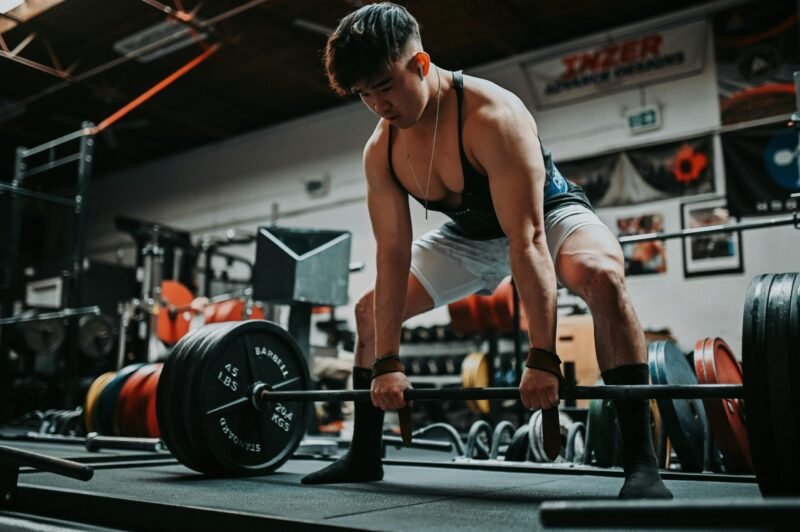
The Three Core Lifts of Powerlifting: The Foundation of Strength
Powerlifting’s competitive framework is built upon three pillar exercises. An athlete’s “Total” — the sum of their single heaviest successful lift in each category — is their ultimate score. Mastering these lifts is the key to unlocking profound, full-body strength.
1. The Squat: The King of Lifts
The squat is a true test of lower body and core strength. The athlete places a loaded barbell across their upper back, squats down until their hip crease is below the top of their knee, and returns to a standing position. It builds a powerful foundation, engaging the quads, hamstrings, glutes, and entire core musculature. A proper squat requires immense stability, which is why the equipment used must be uncompromising.
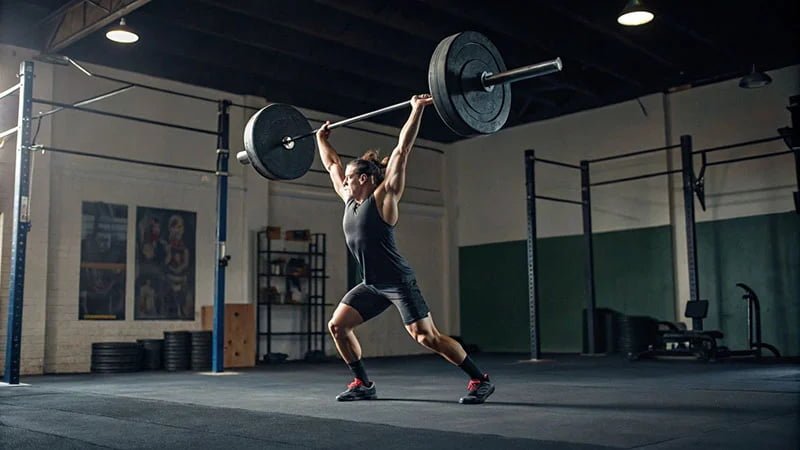
2. The Bench Press: The Ultimate Upper Body Test
The bench press is the most recognized benchmark of upper body pushing strength. Lying on a flat bench, the athlete lowers a barbell to their chest, pauses, and presses it back up to full lockout. This lift primarily targets the pectorals, deltoids, and triceps. For a commercial gym, a competition-spec, stable bench press station is a non-negotiable cornerstone that signals a commitment to serious strength training.
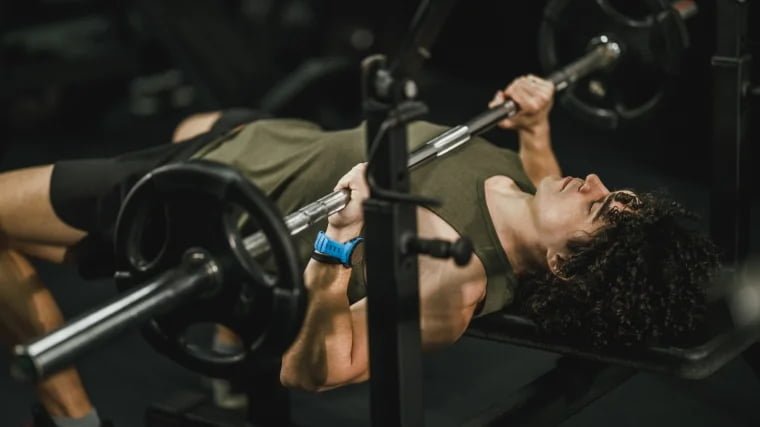
3. The Deadlift: The Purest Test of Raw Strength
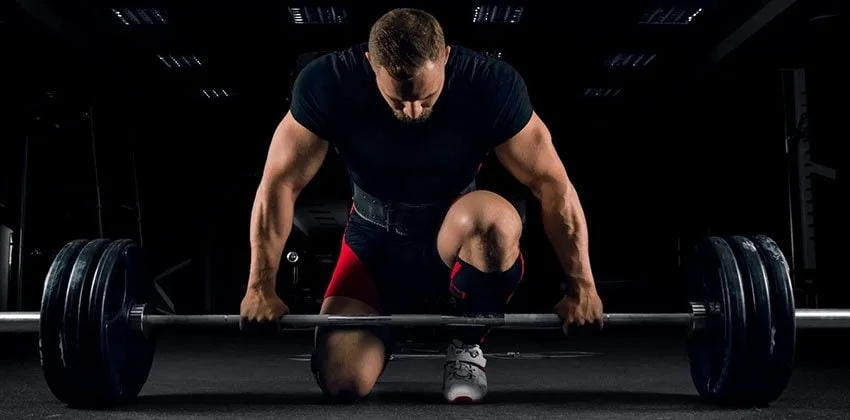
Many consider the deadlift the most authentic measure of strength. The lifter grips a loaded barbell on the floor and pulls the weight up until they are standing fully erect, with hips and knees locked out. It is a total-body movement that challenges nearly every muscle from the hands and back to the glutes and legs. The deadlift is demanding not only on the athlete but also on the barbell and flooring.
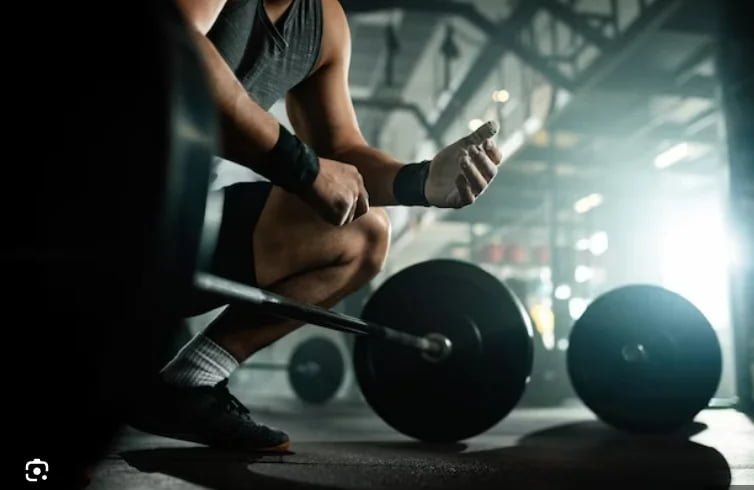
Powerlifting vs. Bodybuilding vs. Weightlifting: What’s the Difference?
While all three disciplines involve weights, their goals and methods are fundamentally different. This distinction is crucial for understanding member needs and selecting the right equipment. Powerlifting is often confused with bodybuilding and Olympic weightlifting, but they are separate sports.
| Aspect | Powerlifting | Bodybuilding | Olympic Weightlifting |
|---|---|---|---|
| Main Goal | Maximal Strength (Performance) | Maximal Muscle Mass & Symmetry (Aesthetics) | Maximal Explosive Power & Speed (Performance) |
| Core Lifts | Squat, Bench Press, Deadlift | No specific lifts; focus on muscle isolation & hypertrophy | Snatch, Clean & Jerk |
| Training Style | Low reps (1-5), high intensity, long rests | High reps (8-15), moderate weight, short rests | Low reps (1-3), technical & explosive movements |
| Ideal Physique | High muscle mass; higher body fat is acceptable and often beneficial | Extremely high muscle mass with very low body fat | Athletic build, powerful legs and back, lean |
Understanding these differences explains why a champion powerlifter might not “look” as shredded as a bodybuilder but can lift significantly more weight. Their bodies are machines built for one purpose: force production.
What is the point of powerlifting?
Are you just lifting weights without a clear, measurable goal? This can be frustrating and often leads to plateaus. Powerlifting gives you a laser-focused purpose for every training session.
The main point of powerlifting is to build and test your body’s maximal strength in a structured, competitive way. It gives you a clear, objective measure of progress: the total weight you can lift across the three core exercises.
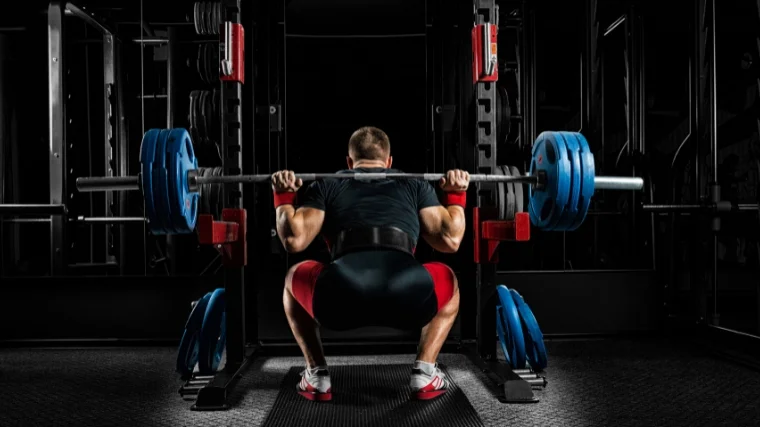
The purpose is beautifully simple: get stronger. Instead of vague goals like “get in shape,” powerlifting gives you concrete numbers to chase. Your performance is measured by your total, which is the sum of your best squat, bench press, and deadlift. This provides incredible motivation because you always know what you’re working toward. To support this goal, the equipment itself is highly specialized. The barbell used in powerlifting, for example, is designed specifically for handling extreme loads. From my manufacturing perspective, crafting a proper powerlifting bar is a serious engineering task.
Powerlifting Barbell: A Tool for Strength
The barbell isn’t just a piece of steel; it’s a precision instrument. A powerlifting bar is designed to be very stiff to minimize any whip or flex under heavy weight, which is crucial for stability in the squat and bench press.
| Feature | Powerlifting Barbell | Olympic Weightlifting Barbell |
|---|---|---|
| Stiffness (PSI) | High (180K+ PSI), very little flex/whip | Lower, designed to whip for explosive movements |
| Knurling | Deep and aggressive for a secure grip during heavy pulls | Less aggressive to allow hand rotation |
| Sleeve Rotation | Minimal (bushings) for stability | High (bearings) for fast rotation in the snatch |
Is a powerlifter stronger than a bodybuilder?
You see a bodybuilder with huge muscles and assume they’re incredibly strong. But looks can be misleading. How does their strength compare to a powerlifter who might not look as defined?
Yes, when measuring one-rep max strength, a powerlifter is significantly stronger. A powerlifter’s training is dedicated to lifting the heaviest weight possible, while a bodybuilder’s goal is to build muscle size and symmetry for aesthetics.
This is one of the most common questions, and the answer comes down to training goals. The two disciplines are built for completely different outcomes. It’s like comparing a marathon runner to a sprinter; both are amazing athletes, but they excel in different areas. I’ve worked with brands that serve both markets, and the product requirements reflect these different goals. A powerlifter needs equipment that supports maximum force production. A bodybuilder needs equipment that helps them isolate muscles to stimulate growth. This fundamental difference in goals explains why their bodies and strength levels are so different.
Why Powerlifters Might Not “Look” as Strong
A powerlifter’s primary goal is performance, not looks. Many elite powerlifters carry more body fat than bodybuilders because it can provide better leverage in lifts and ensures they have enough energy to fuel brutally heavy training sessions. They are building a powerful machine, not just sculpting a statue.
| Aspect | Powerlifter | Bodybuilder |
|---|---|---|
| Main Goal | Max Strength (Performance) | Max Muscle Size (Aesthetics) |
| Training | Low reps (1-5), high weight, long rest | High reps (8-15), moderate weight, short rest |
| Body Comp | Higher body fat is often beneficial | Very low body fat is essential for competition |
Essential Equipment for a Powerlifting Gym (Strategic Focus)
Equipping a facility for powerlifting is an investment in quality, safety, and performance. Standard commercial equipment often falls short under the extreme demands of this sport. From our engineering perspective, here are the non-negotiable tools of the trade.
The Power Rack / Squat Rack
This is the centerpiece of any strength zone. Its primary function is safety, allowing lifters to push their limits with a safety net (pins or straps).
- What to Look For: Heavy-gauge steel (e.g., 11-gauge), Westside hole spacing for precise adjustments, and robust J-cups. A stable, bolt-down design is essential for commercial use.
- Equip Your Gym: [Browse our commercial power racks and squat stands.]
The Barbell: The Lifter’s Primary Connection
A powerlifting barbell is a specific piece of engineering. It must be extremely stiff (high PSI steel, 190K+) to eliminate “whip” during heavy squats and benches. The knurling is deep and aggressive to ensure a secure grip during deadlifts exceeding 300kg.
- Key Specs: 29mm diameter, minimal sleeve rotation (bushings), and high tensile strength.
- Equip Your Gym: [Explore our range of specialized powerlifting barbells.]
Weight Plates (Calibrated Plates)
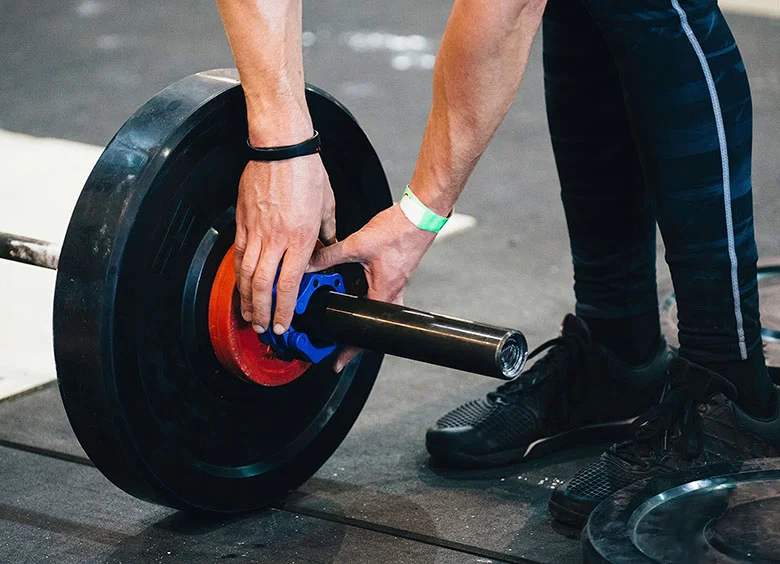
For precision and maximizing bar load, calibrated plates are the gold standard. They are machined to be extremely accurate in weight (+/- 10 grams) and are thinner than standard bumper plates, allowing more weight to be loaded onto the bar. This is essential for both competition and the psychological confidence of the lifter.
- Equip Your Gym: [View our calibrated and competition-style weight plates.]
A Sturdy Bench Press
A dedicated, heavy-duty bench must be rock-solid. Any wobble under load is a safety hazard and a performance killer. Look for a wide, firm pad that meets competition specifications and a frame that can handle far more than your strongest member can lift.
- Equip Your Gym: [Find the perfect heavy-duty bench for your facility.]
The Deadlift Platform
A deadlift platform serves two critical functions: it protects your equipment (barbell and plates) and your subfloor from repeated, heavy impacts. A proper platform combines a dense rubber base for shock absorption with a solid wood center for a stable pulling surface.
- Equip Your Gym: [Shop our deadlift platforms and protective rubber flooring.]
Is powerlifting good for beginners?
Thinking about starting powerlifting but feel intimidated by the huge weights you see online? It’s a common fear that powerlifting is only for advanced athletes.
Yes, powerlifting is excellent for beginners. It teaches three fundamental compound movements that build a fantastic strength base. The clear goal of adding weight to the bar provides incredible motivation and a structured path for progress.
Powerlifting is one of the best ways for a beginner to get strong, fast. Everyone, even the world champions, started with an empty bar. The sport’s structure is its biggest advantage for someone new to the gym. You learn the most important exercises for building total-body strength: the squat, the bench press, and the deadlift. However, there are some disadvantages to be aware of. The risk of injury is real if your form is bad, and the heavy lifting is very demanding on your central nervous system. This is why starting correctly is so important. As a beginner, your focus should be 100% on mastering the technique before you start chasing big numbers.
Key Advice for Beginner Powerlifters:
- Form Over Everything: Spend months perfecting your technique with light weight. An ugly lift doesn’t count and puts you at risk.
- Hire a Coach: A good coach is the best investment you can make. They will teach you correct form and build a safe program for you.
- Be Patient: Strength takes years to build. Don’t ego lift or compare yourself to others. Focus on your own consistent progress.
- Don’t Go to Failure: Most powerlifting programs have you leave a few reps “in the tank.” Training to failure constantly is a recipe for burnout and injury.
Conclusion: Build a Home for Strength
Powerlifting is more than a sport; it’s a dedicated pursuit of strength that builds discipline and community. By providing the correct, specialized equipment, you are not just accommodating an activity; you are building an environment where serious athletes can thrive. This signals a commitment to excellence that attracts and retains dedicated members who value quality and performance.
Action-to-Action:
Ready to equip your facility for serious strength training? Browse our full line of commercial powerlifting equipment or contact our gym design experts for a custom quote.