


Choosing the right weight plates feels overwhelming. Make the wrong choice, and you risk damaging your floors or stalling your progress. The key is knowing what features actually matter.
The best bumper plates for a home gym are made from dense rubber to protect your floors and reduce noise. They should have a thin profile to save space on the barbell and a durable steel center hub for longevity. This makes them safe, versatile, and ideal for home use.
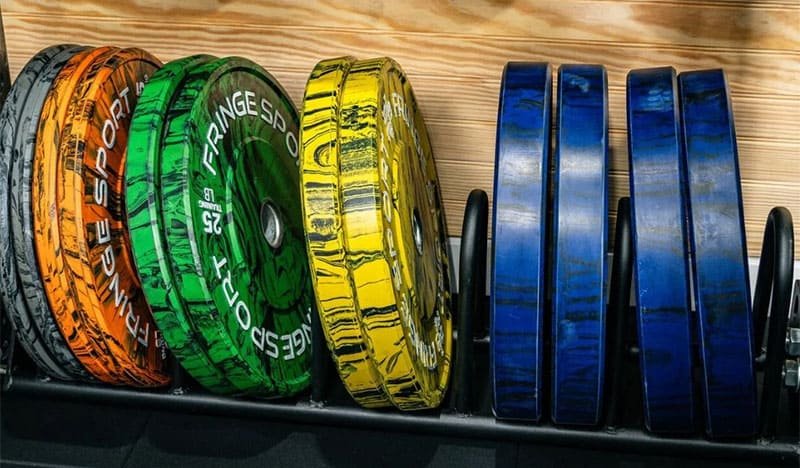
Choosing the right plates is a big commitment, and it’s about more than just a number on the side. The material, the design, and the weight distribution all play a huge part in your training experience, your long-term safety, and the longevity of your equipment. But once you understand the core differences between types, you can make a smart investment that will support your goals for years to come.
Let’s break down exactly what you need to look for.
Key Factors to Consider When Buying Bumper Plates?
Tired of the loud clang of iron plates? You worry about dropping them, damaging your floor, or waking up the whole house. Bumper plates offer a much quieter, safer solution.
Yes, for most people, bumper plates are a better choice for a home gym. They are made from high-density rubber designed to be dropped safely from overhead. This protects your flooring, significantly reduces noise, and is essential for dynamic movements like Olympic lifts.
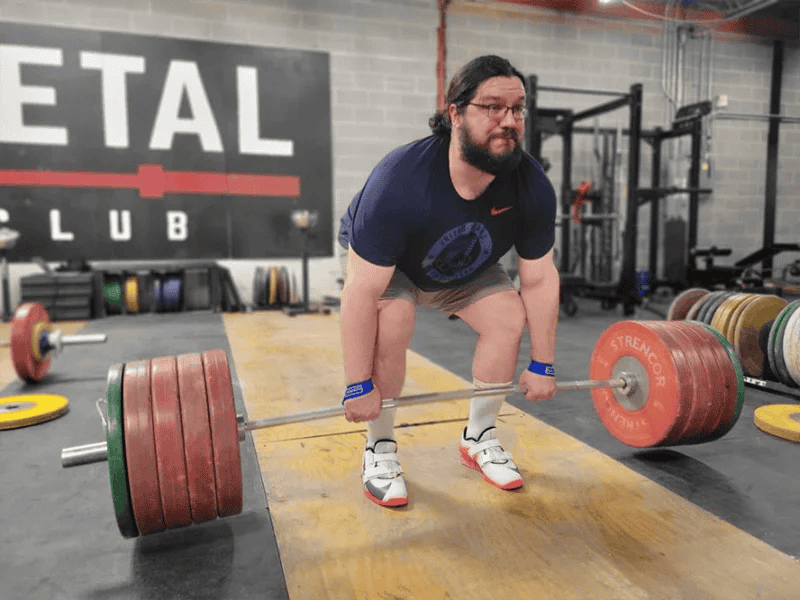
When I first started helping brands design equipment for the direct-to-consumer market, the biggest concern was always home-friendliness. Bumper plates solve the biggest problems of lifting at home: noise and damage. Unlike cast iron plates, you can drop a loaded barbell without a massive crash or cracking your concrete floor. This is because of their material and construction. The quality of the rubber determines the “bounce.” Cheaper plates have a high, uncontrolled bounce, which can be dangerous. High-end plates, like the ones we manufacture, use virgin rubber and a precise process to create a “dead bounce” for more safety and predictability.
Here is a simple breakdown:
| Feature | Bumper Plates | Cast Iron Plates |
|---|---|---|
| Safety | Excellent for dropping | Poor; can break or damage floors |
| Noise Level | Low | Very High |
| Floor Protection | High | Low; requires thick matting |
| Cost | Higher | Lower |
| Best For | Olympic Lifts, CrossFit, general use | Powerlifting, general strength |
What weight plates do I actually need for a home gym?
Buying a full weight set is a big investment. You don’t want to waste money on weights you’ll never use or find yourself limited because you bought too few.
A versatile home gym set should allow for gradual progression. A 100kg to 160kg set is a great start, usually with pairs of 5, 10, 15, and 20kg plates. Most importantly, include small “change plates” like 1.25kg and 2.5kg for consistent progress.
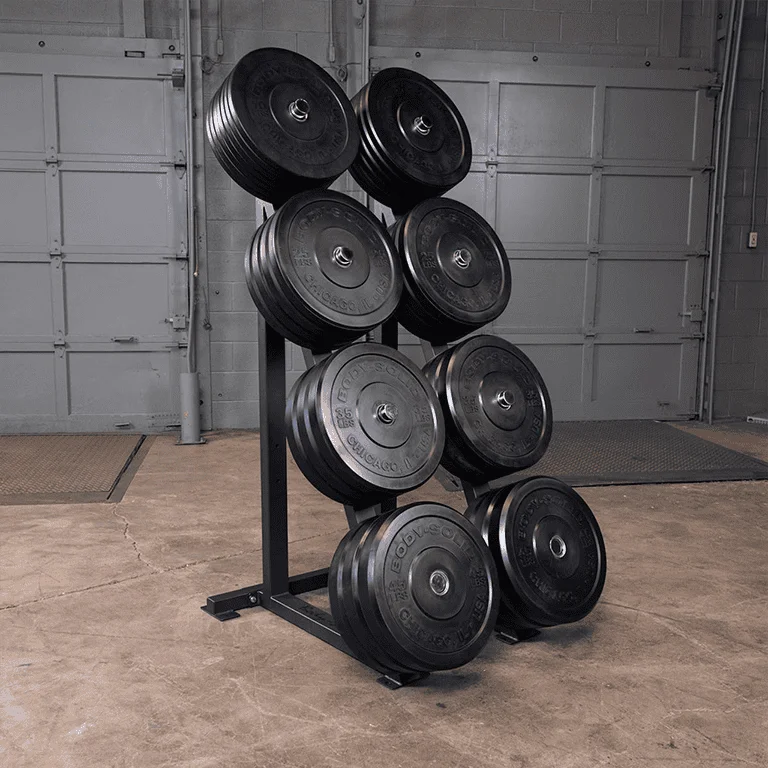
I often advise product managers like you to think in terms of customer progression. Your customers won’t stay beginners forever. The goal is to offer a set that grows with them. The biggest mistake I see is people buying big jumps in weight. Going from lifting 60kg to 70kg is a huge leap. This is where micro-loading comes in.
For Beginners
Start with a basic set that allows for learning proper form. A 60kg or 100kg set is often enough to master movements like the squat, deadlift, and bench press. The focus here isn’t on max weight, but on consistency.
For Intermediate/Advanced Lifters
Once you or your customers are moving more weight, bigger sets become necessary. A 160kg set (or more) is standard. At this stage, the thickness of the plates also matters. Thinner “competition” style plates allow more weight to be loaded onto the bar.
The Importance of Change Plates
Never underestimate small plates. Those 1.25kg and 2.5kg plates are the key to breaking through plateaus. Adding just 2.5kg to your total lift is a sustainable way to get stronger every week. It’s a small detail that makes a huge difference in long-term training.
Are expensive bumper plates really worth the investment?
You see high-end bumper plates and wonder why they cost so much. Buying cheap plates that crack or warp will just cost you more in the long run. The price difference reflects quality.
Yes, expensive bumper plates are often worth it. You are paying for superior durability, a lower and more controlled bounce, and a thinner profile. They use higher-quality materials like virgin rubber and co-molded steel inserts that prevent them from breaking down with repeated drops.
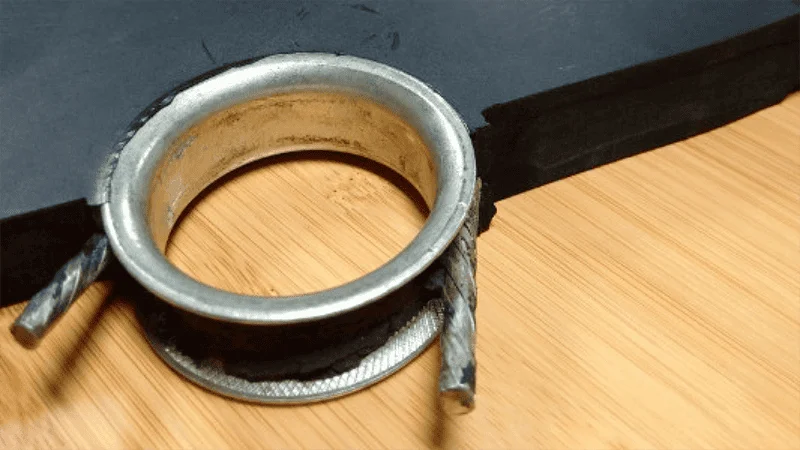
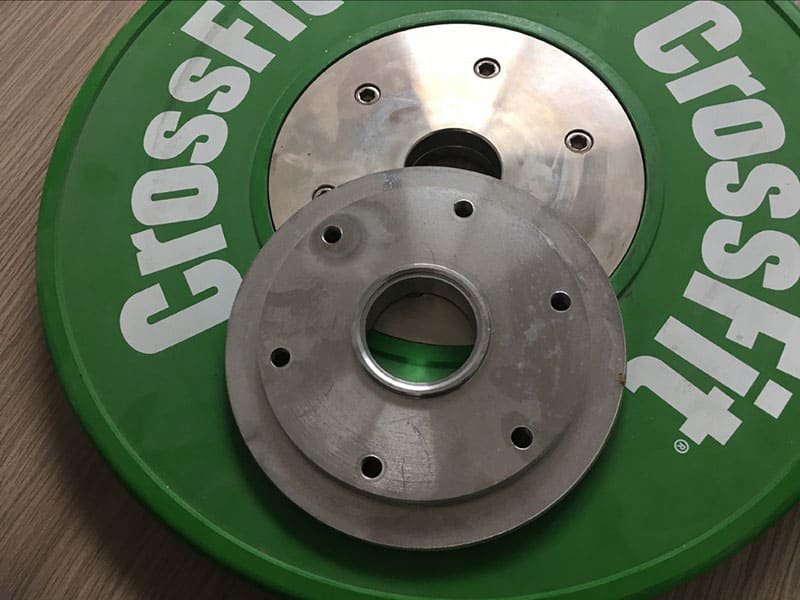
As someone who oversees the manufacturing process, I can tell you the difference is huge. A cheap plate is often made from crumb rubber with a simple pressed-in steel ring. After a few hundred drops, that ring can pop out or the rubber can start to crack. A premium plate is a different beast entirely. We use a co-molding process where a solid stainless steel hub is chemically bonded with high-density virgin rubber. It creates a single, incredibly robust unit. We then test them with machines that simulate 20,000+ drops to ensure they meet our quality standards.
Here’s what you’re paying for:
| Feature | Budget Bumper Plate | Premium Bumper Plate |
|---|---|---|
| Material | Recycled “crumb” rubber (strong odor) | Virgin rubber or Urethane (low odor) |
| Center Hub | Pressed-in steel ring | Co-molded stainless steel or brass hub |
| Durability | Prone to cracking or hub separation | Designed for tens of thousands of drops |
| Bounce | High, unpredictable bounce | Low, “dead” bounce for safety |
| Thickness | Thicker (limits weight on bar) | Thinner (allows for heavier loads) |
In short, you’re not just paying for a brand name; you’re investing in engineering and materials that ensure safety and performance over years of hard use.
What defines the “best” bumper plates on the market?
The word “best” is thrown around a lot. But buying top-of-the-line competition plates when you just need them for general fitness is overkill. The best plate is the one that matches your needs.
The “best” bumper plates are the ones that fit your training style and budget. Competition plates are best for Olympic lifters needing precision and low bounce. Training plates offer a great balance of durability and value for most people. Urethane plates are the premium choice for ultimate durability.
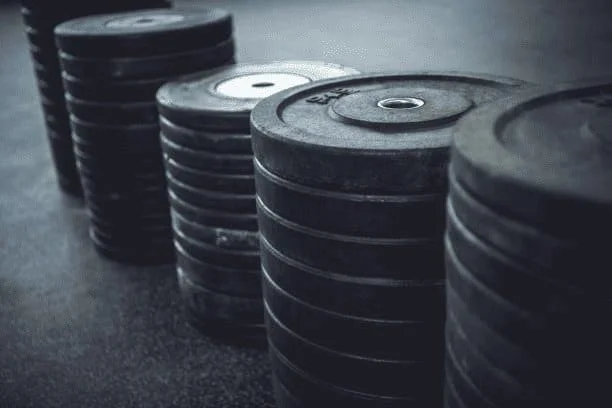
I work with brands that serve different segments of the market. Some cater to elite athletes, others to everyday home gym users. We help them develop the right product for their specific customer. Here’s how these categories break down for you.
Competition Bumper Plates
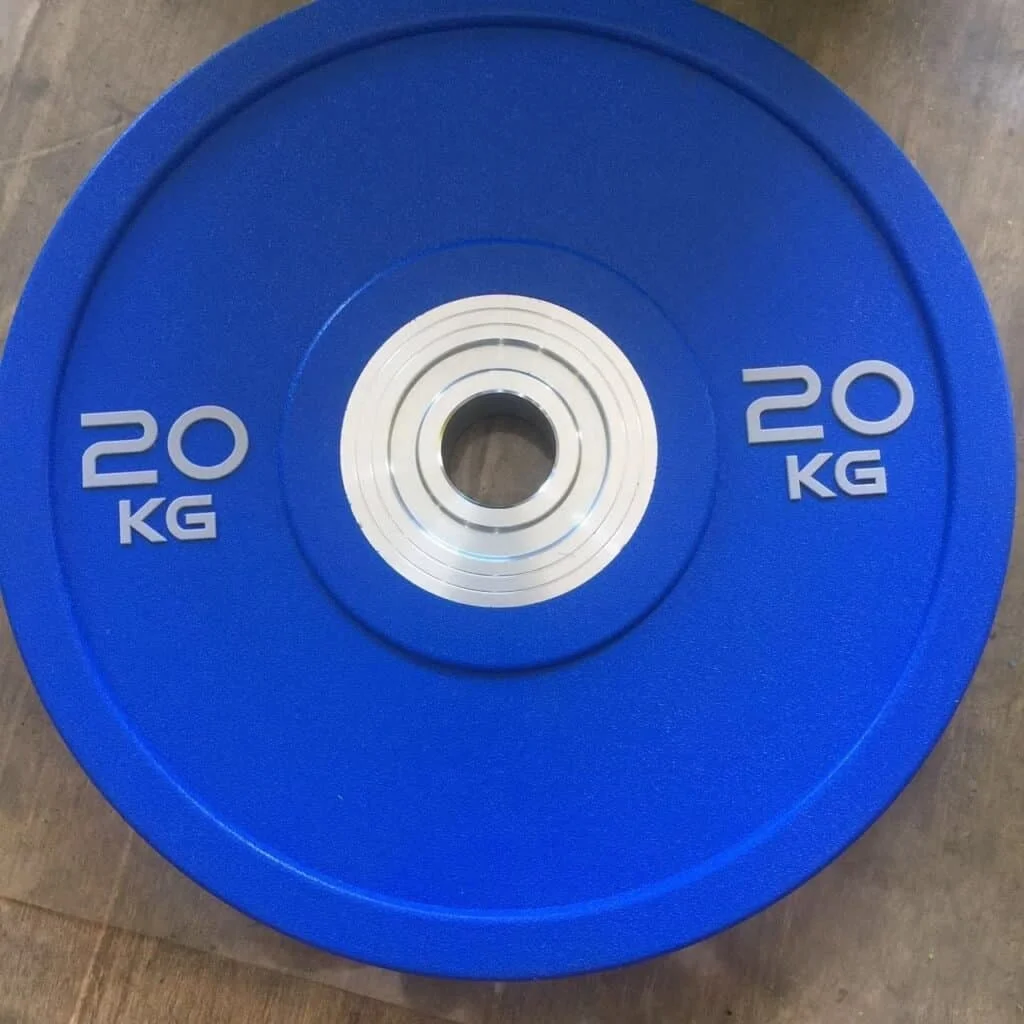
These are built to strict IWF standards for weight tolerance (within a few grams) and diameter. They are thin, very dense, and have almost no bounce. They often feature a large steel disc hub for added durability and are color-coded for easy identification (Red=25kg, Blue=20kg, etc.). They are for serious athletes where every gram matters.
Training Bumper Plates
These are the workhorses of most gyms. They are more affordable than competition plates but still highly durable. They might have a slightly higher weight tolerance and a little more bounce, but they are perfect for CrossFit, general strength training, and home gyms. They are often solid black but also come in color-coded versions.
Urethane Bumper Plates
This is the top tier for durability. Urethane is a material that’s much tougher and more resistant to cuts, abrasion, and sunlight than rubber. The colors are bold and won’t fade, and they have almost no odor. The manufacturing is more complex, so they are the most expensive option, but they will look and perform like new for an incredibly long time.
How many bumper plates do I need to get started?
You’re ready to buy, but the options are endless. Buying too few plates will limit your potential for growth, but buying too many is a waste of money and precious space.
For most people starting a home gym, a 100 kg (approx. 220 lbs) set is the perfect starting point. This typically includes pairs of 5, 10, 15, and 20 kg plates. This provides enough weight for foundational lifts and allows you to progress steadily.

One of my clients, a fast-growing D2C brand in the US, found that their best-selling package was a simple 100kg set. It hits the sweet spot for a customer who is serious about starting but not yet an elite powerlifter. It’s enough weight to make significant progress on all the major lifts for at least the first year of training.
Here are a few sample set configurations to think about:
| Set Total | Common Plate Pairs Included | Ideal User |
|---|---|---|
| 60 kg | 5kg, 10kg, 15kg | Technique work, absolute beginners |
| 100 kg | 5kg, 10kg, 15kg, 20kg | The “sweet spot” for most home gyms |
| 160 kg | 5kg, 10kg, 15kg, 20kg, 25kg | Intermediate to advanced lifters |
Remember to budget for a good Olympic barbell (typically 20kg) and some small change plates (1.25kg, 2.5kg). The change plates are non-negotiable in my book; they are the secret to consistent, injury-free progress. Starting with a 100kg set and adding change plates is a powerful combination for any home gym.
Is there a good alternative to bumper plates for a home gym?
Bumper plates are great, but they can be expensive or bulky. You might feel stuck if they don’t fit your budget or space, but there are other great options available.
Yes, several excellent alternatives to bumper plates exist. Rubber-coated iron plates are a great middle ground, offering floor protection and noise reduction. For maximum durability and a premium look, urethane-coated plates are a fantastic, albeit more expensive, choice. Classic cast iron is cheapest.
While I’m a huge fan of bumper plates, they aren’t the only solution. The “right” plate depends on your training style. If you aren’t doing Olympic lifts that require dropping the bar from overhead, your options open up considerably. From a product development standpoint, each of these alternatives serves a different user.
Rubber-Coated Plates
These are cast iron plates covered in a layer of protective rubber. They are much quieter than bare iron and won’t wreck your floors on a light impact. Because the core is iron, they are thinner than bumper plates, so you can fit more weight on the bar. They are a fantastic all-around choice for general strength training where you control the negative of the lift.
Urethane-Coated Plates
Think of these as the luxury version of rubber-coated plates. Urethane is an engineered polymer that is far more durable than rubber. It doesn’t scuff, crack, or degrade, and it has no smell. We can also create incredibly vibrant, permanent colors with it. For high-end commercial gyms or premium home setups, urethane is the top choice.
Cast Iron Plates
The old-school classic. Iron is incredibly durable, thin, and the most affordable option. The sound of iron plates clanking together is motivating for many lifters. However, they offer zero protection for your floor and are incredibly loud. A must for powerlifters, but less ideal for a typical home gym unless you have very protective flooring.
Conclusion
Choosing the right plates comes down to your training goals, space, and budget. However, investing in quality materials and construction always pays off in safety, durability, and performance.