


Choosing plates is confusing. You see so many options but don’t know what’s best. Buying the wrong type wastes money and can even be unsafe for your lifters.
Barbell plates mainly differ by material (cast iron, rubber, urethane) and purpose (training, competition). They also come in two main sizes: Standard (1-inch hole) for basic home gyms and Olympic (2-inch hole) for commercial gyms and serious lifters.
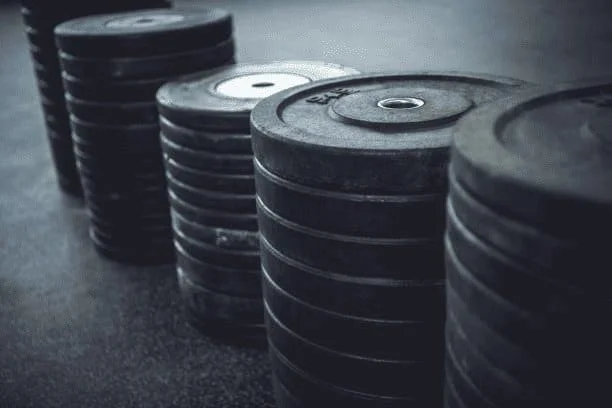
As someone who manufactures weight plates every day, I see buyers make the same costly mistakes. The material you choose affects durability, noise, and how it protects your barbells and floors. The size you choose determines which barbells you can even use. Getting this right from the start saves a lot of headaches. Let’s look at the main types so you can get exactly what you need.
What are the different types of barbell plates?
You see plates listed by material, color, and size. It’s hard to compare them and know what truly matters for your gym. I’ll break it down to make it simple.
Plates are grouped by material, like cast iron, rubber, and urethane, and by hole size. Olympic plates have a 2-inch hole for serious barbells. Standard plates have a 1-inch hole for beginner bars.
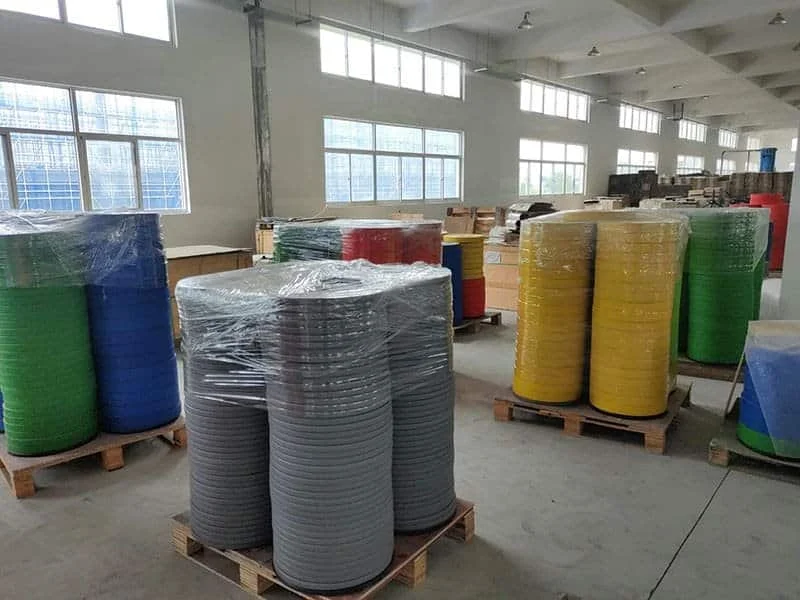
From my factory floor, I see two main ways to categorize plates. Understanding them is key to making a good purchase.
By Material
The material is the biggest factor in price and performance. It determines how a plate feels, how loud it is, and how long it lasts.
| Plate Material | Key Benefits | Key Drawbacks | Best For |
|---|---|---|---|
| Cast Iron | Very cheap, durable, thin profile. | Loud, can rust, damages floors. | Budget home gyms. |
| Rubber Coated | Protects floors, quieter, good grip. | Rubber can smell, may crack or peel. | General purpose gyms. |
| Bumper Plates | Extremely durable, safe for dropping. | Thicker, more expensive than iron. | CrossFit, Olympic lifting. |
| Urethane (PU) | Most durable, no odor, premium look. | Most expensive option. | High-end commercial gyms. |
| Calibrated Steel | Extremely accurate weight, very thin. | Very expensive, not for dropping. | Powerlifting competitions. |
By Use and Size
This is about compatibility. The hole in the middle of the plate must match your barbell.
- Olympic Plates: These have a 2-inch (50mm) center hole. They fit on Olympic barbells, which are the standard for all serious strength training, commercial gyms, and competitions. We almost exclusively manufacture Olympic-standard equipment because it’s what professional environments demand for safety and performance.
- Standard Plates: These have a 1-inch (25mm) center hole. They fit on smaller, lighter standard barbells. These are fine for beginners or light home use but are not suitable for heavy lifting.
Are urethane plates worth it?
You see the high price of urethane plates and hesitate. Is the extra cost just for looks, or a real benefit? I manufacture both, so let me tell you why premium gyms choose urethane.
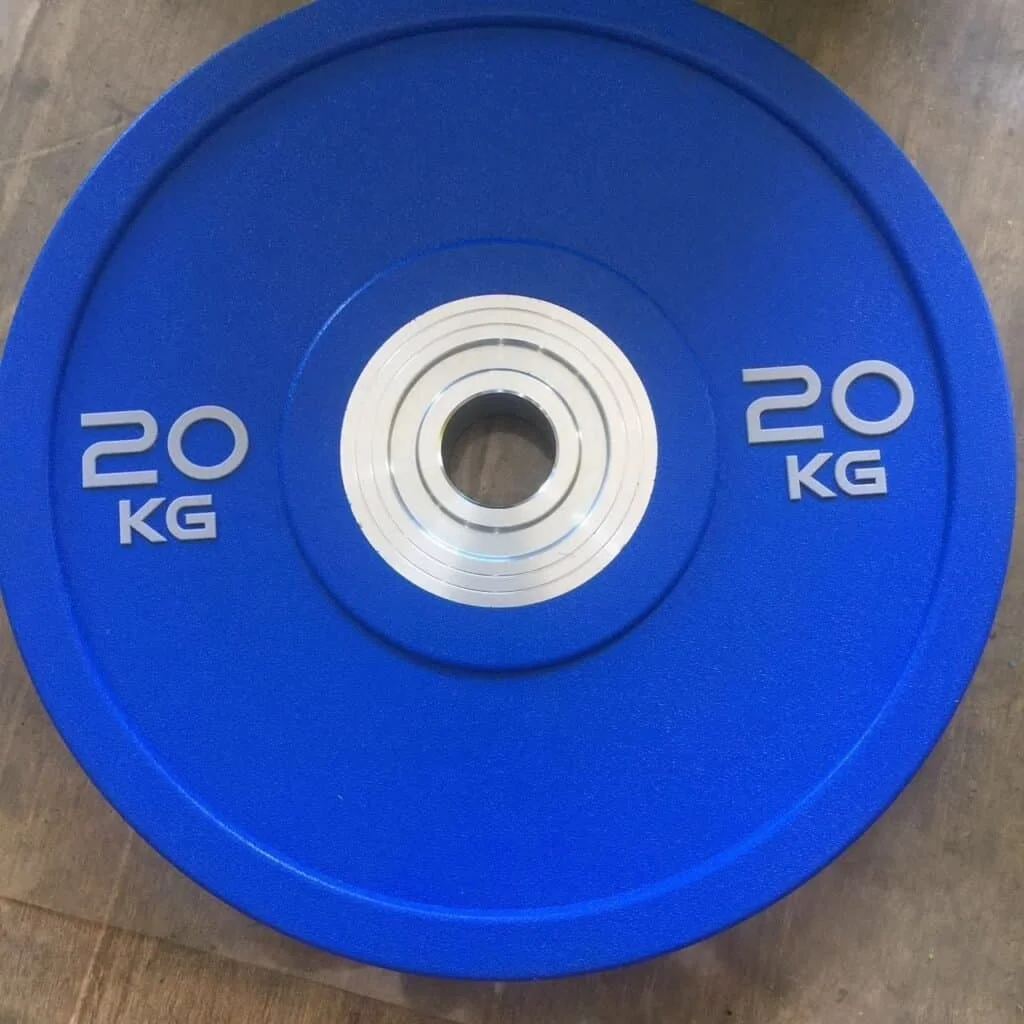
Yes, for a commercial gym, urethane is worth it. It’s much more durable than rubber, doesn’t smell, and won’t crack or fade. The investment pays off because you won’t need to replace them for a very long time.
<img
The decision between rubber and urethane comes down to long-term value. As a manufacturer, I can tell you the differences are significant. While rubber is good, urethane is on another level. It’s a premium a product manager like Sarah would choose to elevate her brand.
Rubber vs. Urethane: A Manufacturer’s View
Here is a direct comparison based on what we see in production and testing.
| Feature | Standard Rubber | Premium Urethane (PU) |
|---|---|---|
| Durability | Good, but can crack, peel, or fade over time. | Excellent. Resists chipping, cuts, and abrasion. |
| Odor | Has a distinct rubber smell, especially when new. | Completely odorless. A huge plus for indoor facilities. |
| Appearance | Colors can fade. Logos can wear off. | Colors stay vibrant. Logos can be molded with more detail. |
| Hardness | Softer, can have a higher bounce. | Harder, providing a “dead blow” drop that protects bars. |
| Cost | Lower upfront cost. | Significantly higher upfront cost. |
For a high-traffic gym, urethane’s longevity is a key selling point. The material doesn’t break down from UV light or repeated impact in the same way rubber does. This means the plates look new for longer, which improves the member experience. The upfront cost is higher, but the total cost of ownership is often lower because you are not replacing plates every few years.
Why are barbell plates so expensive?
You look at a simple plate and wonder why it costs so much. It’s just iron and rubber, right? As a manufacturer, I’ll show you the hidden costs that go into making quality plates.
High costs come from quality raw materials like steel and urethane, precision manufacturing to ensure accurate weight, and quality control. Shipping heavy steel across the world is also a major expense.
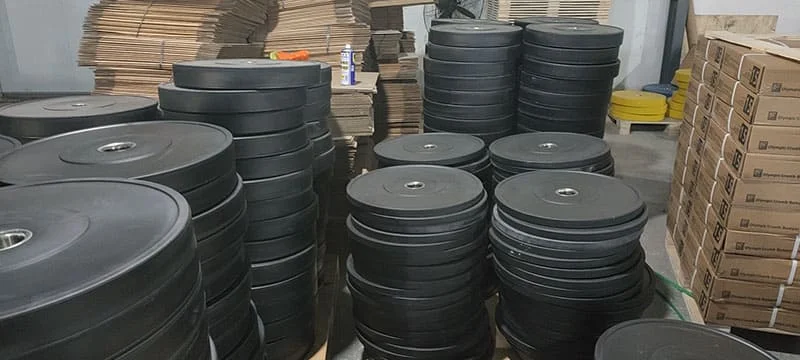
A weight plate looks simple, but creating a high-quality one is a complex process. The price reflects this. Cheaper plates almost always cut corners in one of these four areas.
1. Raw Materials
The price of steel, iron, and petroleum (for rubber and urethane) fluctuates constantly. We use virgin iron and high-grade steel, not cheaper scrap metal that can have impurities. Premium urethane is also far more expensive than basic rubber.
2. Precision Manufacturing
A plate marked “20 kg” should weigh 20 kg. Achieving this accuracy, especially for competition plates that must be within a few grams, requires calibrated molds and precision machinery like CNC lathes. This technology and the skilled labor to operate it are costly.
3. Quality Control
We test our plates rigorously. Every batch undergoes weight checks. We also perform drop tests, where we drop plates thousands of times to ensure they don’t crack or deform. This testing process requires time and dedicated equipment, adding to the cost.
4. Logistics
Plates are heavy and dense. Shipping hundreds of tons of iron and steel from my factory to a gym in North America or Europe is a significant expense. The cost of freight is a large part of the final price you pay.
Conclusion
Choosing the right plates means matching the material and hole size to your needs. Investing in quality plates ensures safety, accuracy, and durability for years of use.